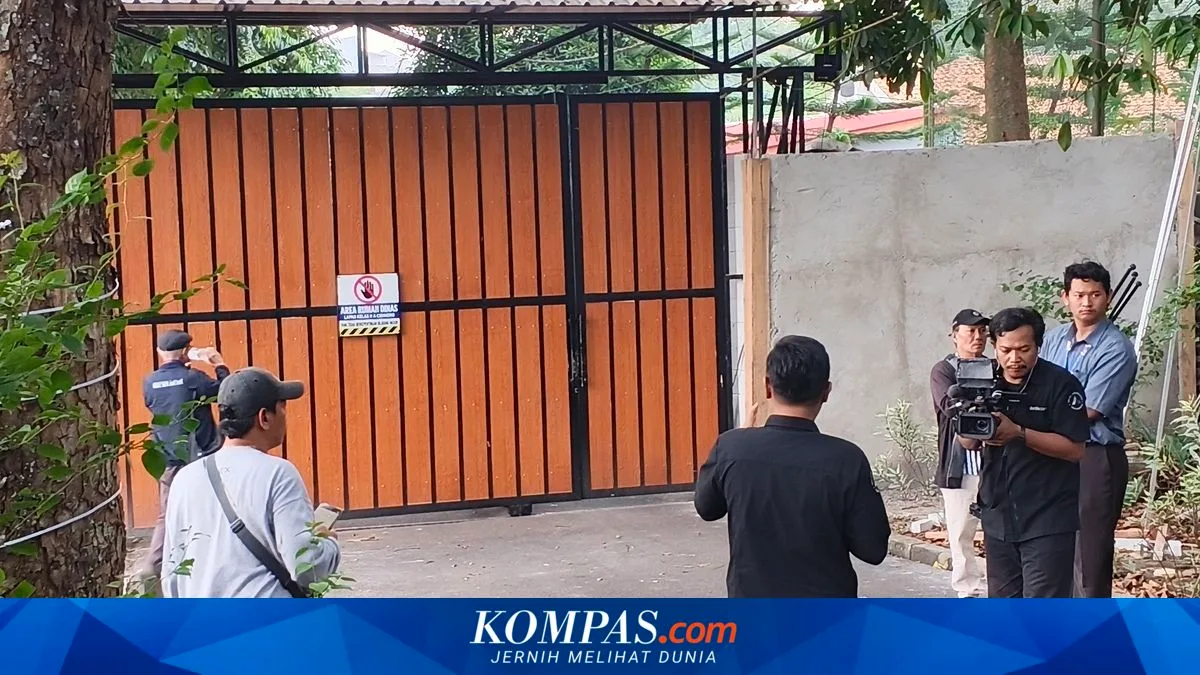
Imipas Minister Opens Investigation into Cibinong Prison's Luxury Cluster: Payments, Illegal Fees, and a Mysterious Man
Baca dalam 60 detik
- Menteri Imigrasi dan Pemasyarakatan Agus Andrianto memastikan bakal mendalami dugaan komersialisasi rumah mewah di Lapas Kelas IIA Cibinong, Bogor, setelah Ombudsman RI menemukan indikasi pembayaran oleh penghuni.
- Temuan sementara Ombudsman juga mencakup pungutan liar mingguan yang dikeluhkan keluarga warga binaan, meski asal pemungut belum jelas apakah oknum petugas atau sesama narapidana.
- Investigasi bersama Bappisus akan menentukan apakah fasilitas itu murni untuk pegawai lapas atau disalahgunakan, sekaligus menguji akuntabilitas pengelolaan lapas di tengah sorotan publik.
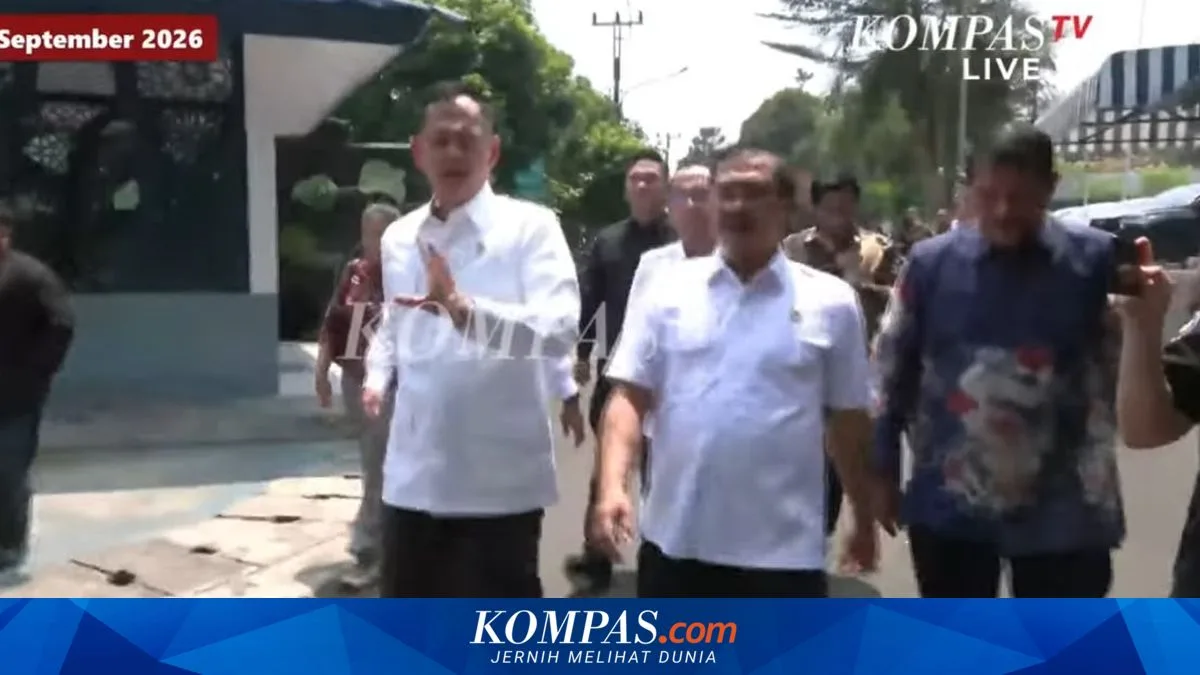
Minister of Immigration and Corrections Agus Andrianto said his ministry will investigate allegations that several luxury houses in the Class IIA Cibinong Penitentiary complex in Bogor, West Java, were commercialized. He made the statement while inspecting the site on Friday (25/9/2026), following an Ombudsman RI report that mentioned a payment from the occupant of one of the units.
Agus stressed the investigation would target the actual function of the buildings. He questioned whether the houses were indeed provided for prison staff or repurposed for other uses. "This is what we will dig into," he said, adding that a team from the Badan Pengendalian Pembangunan dan Investigasi Khusus (Bappisus) would be involved.
The statement came after Ombudsman RI held a press conference in Jakarta on Thursday (24/9/2026). Ombudsman member Syafrida Rachmawati Rasahan said her team interviewed an occupant who admitted paying a sum of money to stay in a unit in the cluster. The transaction value was not detailed, but the practice was deemed to point to the commercialization of a state facility.
Beyond the houses, the Ombudsman found indications of illegal fees that inmates' families had to pay every week. Syafrida said the origin of the fees was unclear, whether they were collected by rogue officers or by fellow inmates. "We cannot yet confirm who collected them," she said, citing interviews with visitors' families.
On the other hand, Agus said he did not yet know the identity of the man who briefly hid during the Ombudsman's inspection. He only said the houses were occupied by prison staff and a number of officers. "The people who may be using this will eventually be found out," he said.
"Whether it is being used for other interests, that is what we will dig into together with the Bappisus team." — Minister of Immigration and Corrections Agus Andrianto
This case is a test for corrections governance, which has long been prone to irregularities. Prisons should be spaces for rehabilitation, not covert business grounds. If commercialization is proven, there are two possibilities: a public facility privatized for certain circles, or internal individuals exploiting a supervision gap. Both erode public trust in the corrections system.
For readers in Indonesia, especially investors and business players, this issue is not merely an internal prison matter. The reputation of law enforcement and government governance affects the investment climate. When public institutions are seen as untransparent, regulatory risk and compliance costs rise. Businesses in the property sector, security services, and the supply of goods and services to prisons should pay close attention to the direction of this investigation.
The government itself is pushing for improvements to the corrections system, including digitalization and layered supervision. However, the findings in Cibinong show that reform on paper does not necessarily translate into practice on the ground. The Ombudsman plans to follow up on this report, while the Ministry of Imipas promises to disclose all findings. The question is whether this investigation will stop at administrative sanctions, or instead uncover a wider network.