Gowa Regent Sitti Husniah Named Suspect in Extortion and Money Laundering Case, Police Reveal Four Modus Operandi
Baca dalam 60 detik
- Kortas Tipidkor Polri menetapkan Bupati Gowa Sitti Husniah Talenrang sebagai tersangka kasus pemerasan dan TPPU setelah memeriksa 30 saksi dan 4 ahli.
- Penyidik menemukan empat modus pemerasan, termasuk permintaan uang ke pengembang perumahan, Indomaret, dan kickback pengadaan ambulans.
- Sitti dijerat pasal korupsi dan TPPU, sementara praktik serupa berpotensi terjadi di daerah lain karena lemahnya pengawasan perizinan.
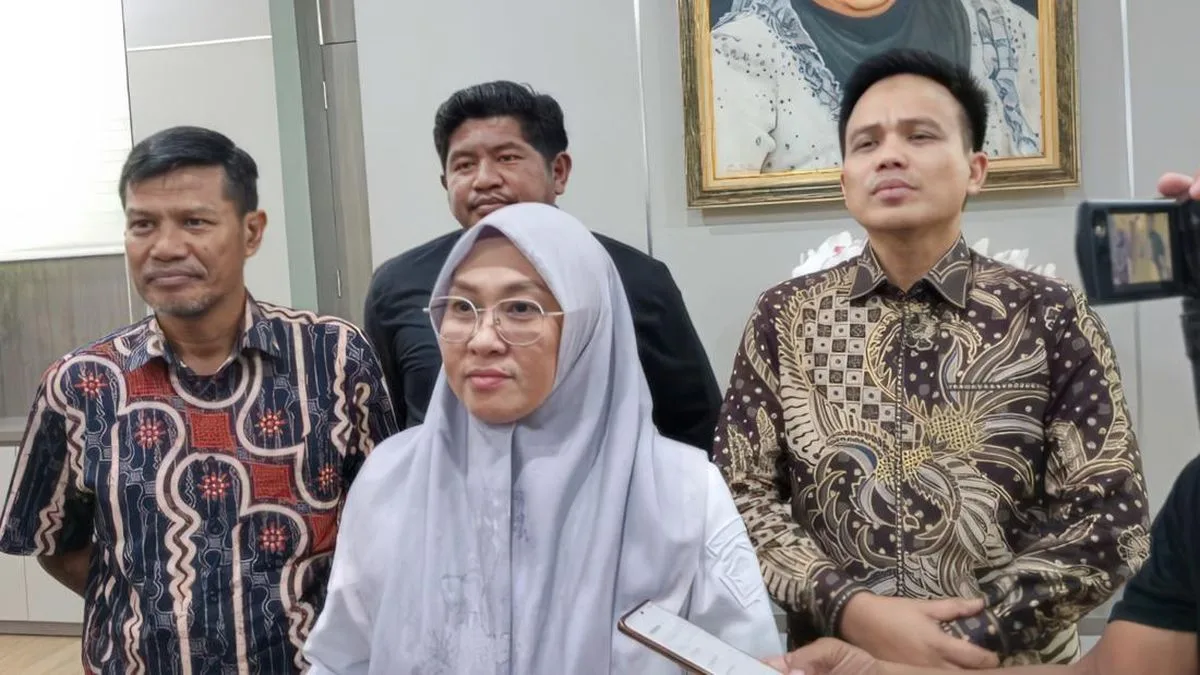
The National Police's Corruption Eradication Corps (Kortas Tipidkor) has officially named Gowa Regent Sitti Husniah Talenrang a suspect in alleged extortion and money laundering (TPPU). The designation deals a heavy blow to the regional government in South Sulawesi and marks a new chapter in law enforcement against regional heads suspected of abusing their licensing authority.
Director of Enforcement at Kortas Tipidkor, Brig. Gen. Robertus Yohanes De Deo, said investigators had examined 30 witnesses and 4 experts before upgrading Sitti's status from witness to suspect. In addition, searches at four locations—the Gowa Regent's official residence, the Gowa Regent's Office, and the homes of two individuals identified by the initials HA and RP—yielded evidence that strengthened the case.
At a press conference on Friday (25/9), De Deo laid out four alleged extortion schemes by Sitti. The first modus concerned the processing of Spatial Utilization Activity Conformity Approvals (PKKPR) for housing projects. Sitti allegedly requested the list of applicants and the results of PKKPR deliberations, then instructed the head of the Housing, Settlement Areas and Land Agency (Perkimtan) to ask developers for money at a rate of Rp1 million to Rp1.5 million per housing unit. Under this practice, PT Royal Persada allegedly handed over Rp100 million and PT Renjana Rp50 million through an intermediary who was Sitti's personal driver.
The second modus targeted modern retail. Sitti allegedly met with Indomaret representatives and directed them to coordinate with HA, her trusted associate. Through HA, she requested funds packaged as corporate social responsibility (CSR) amounting to Rp85 million for each new store opening. Indomaret allegedly handed over the funds three times, totaling Rp850 million. According to investigators, part of the money was used to pay for Sitti's private house in Waterfront Makassar and to buy a Toyota HiAce.
The third modus concerned the Building Approval (PBG) permit for Royal Spring Housing. Sitti allegedly requested a housing unit at a 70 percent discount from the initial price of Rp1.4 billion as a condition for approving the Sakura 2 site plan. The house was obtained under another person's name and paid for with only Rp420 million. According to De Deo, the purchase money came from Sitti's request to PT API as a kickback for the procurement of six ambulances for the Gowa Health Agency in the 2025 fiscal year, worth Rp3.8 billion.
The fourth modus was a request for Rp100 million in sponsorship funds from Indomaret for the opening of the Beautiful Malino store. The funds were transferred directly to the event organizer. "Throughout that series of events, Ms. SHT played a role in directing the licensing process and used her position or office as regent to request money or benefits through other parties," De Deo said.
"The case review forum has agreed to name the Gowa Regent, Ms. HT, a suspect." — Brig. Gen. Robertus Yohanes De Deo, Director of Enforcement at Kortas Tipidkor
For her actions, Sitti is charged under Article 12(e) and/or Article 12B of the Corruption Eradication Law in conjunction with Article 20(c) and Article 126 of the National Criminal Code. Investigators also applied Article 607(1)(a) of the National Criminal Code regarding the alleged money laundering. The penalties attached to these articles reinforce the signal that law enforcement is not only targeting the underlying corruption but also the hidden flow of funds.
The case highlights the pattern of licensing rents that often occurs in the regions. Housing developers, retail chains, and goods and services procurement are vulnerable points because regional heads hold final control over approvals. Such practices not only harm state finances but also distort the investment climate and raise project costs that are ultimately borne by consumers. In Gowa, the property and retail sectors are the most directly affected.
For the Indonesian public, the naming of the suspect is a test of the commitment to fighting corruption at the local level. Without systematic action against gaps in licensing oversight, similar modus operandi could emerge in other regencies. Kortas Tipidkor needs to ensure the legal process runs transparently and does not stop at one regional head. The question is whether this case will become a precedent for dismantling a wider network of licensing extortion, or merely an episode ahead of the regional elections.