NasDem Open to Separating Legislative and Presidential Elections, Golkar Cites Three Reasons
Baca dalam 60 detik
- Sekjen NasDem Hermawi Taslim menyebut gagasan pemisahan pileg dan pilpres sebagai ide yang layak didiskusikan lebih lanjut.
- Golkar mengusulkan pemilu legislatif, presiden, dan kepala daerah digelar terpisah agar pemilih lebih fokus dan legitimasi presiden tidak bergantung pada suara pileg lima tahun sebelumnya.
- Jika wacana ini bergulir, KPU dan DPR perlu merevisi UU Pemilu sebelum tahapan Pemilu 2029 dimulai, dengan konsekuensi anggaran dan logistik yang lebih besar.
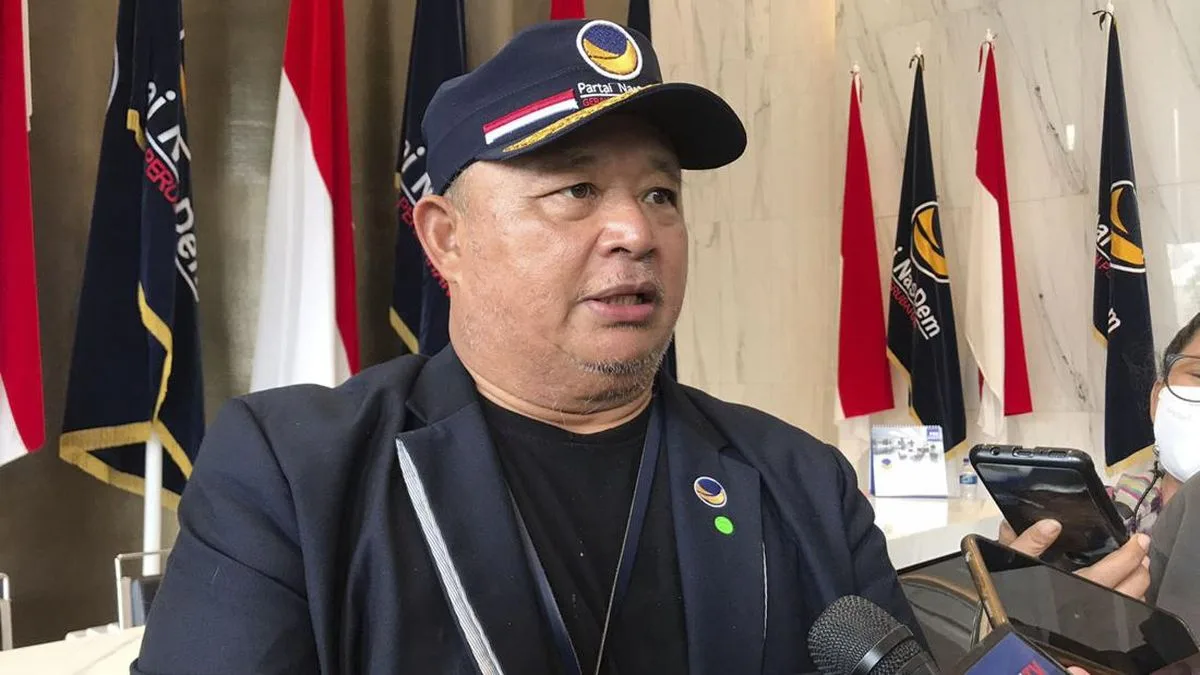
The NasDem Party has expressed openness to the idea of separating legislative and presidential elections in the 2029 general election, responding to a proposal first raised by Golkar politician Ahmad Doli Kurnia. The stance was conveyed by NasDem central executive board secretary-general Hermawi Taslim, who considered the discourse a discussion topic worth weighing.
"The idea of separating the presidential and legislative elections is interesting to discuss further. NasDem is ready to join the talks," Hermawi said when contacted on Friday (25/9). The statement marks a new point in the debate over Indonesia's election design, which since 2019 has placed legislative and presidential elections on the same day.
Hermawi said the experience of simultaneous elections has weighed heavily on parties, especially in terms of cadre development and recruitment at various levels. According to him, party officials' attention is split because they must handle many contests at once. He also touched on the impact on mass media coverage, which he said has become less in-depth because it must report all types of elections simultaneously.
Doli, who also sits on House Commission II, previously said his party had from the start proposed that the three types of elections—legislative, presidential, and regional—be held separately. According to him, simultaneous elections prevent the public from focusing on the figure they are choosing because of the many ballot contests and campaign materials received at once.
As a second reason, Doli argued that a simultaneous presidential election risks losing legitimacy because it uses legislative vote requirements from five years earlier. That time gap, he said, allows parties to change their stance in nominating candidate pairs, so the aspiration of support for a political party and a president-vice president may no longer be relevant when the election takes place. As a third reason, separation is believed to ease the burden on election organizers.
"We have indeed proposed from the start that the three types of elections we have—legislative, presidential, and regional—should be held separately, none combined," Doli said in his statement on Tuesday (22/9).
The discourse touches a fundamental issue in Indonesia's democratic architecture. Since the 2019 election, simultaneous elections have been held to cut costs and improve efficiency, but criticism has emerged over the complexity of ballots and the high death toll among election workers. If separation is carried out, the KPU must prepare stages, budgets, and logistics for several rounds of voting within a five-year cycle.
For political parties, separation could change campaign and coalition strategies. Parties with strong cadre machines stand to benefit more in legislative elections, while the presidential race becomes a more standalone contest. However, small parties that have ridden on the popularity of presidential candidates in simultaneous elections could face tougher challenges. On the other hand, voters could assess each candidate more specifically without being influenced by the coattail effect.
From a regulatory standpoint, the change requires revising the Election Law and renegotiating the schedule of stages. The government and the House must agree on whether separation applies only to legislative and presidential elections, or also covers regional elections, which are currently held simultaneously in a different year. Without a new legal umbrella, the proposal will remain discourse without practical implications.
What needs to be watched is that the push for separation is not entirely free of interests. Large parties may see an opportunity to consolidate support in one type of election, while election organizers face the risk of budget and human resource fatigue. The public also has the right to demand transparency in cost calculations and the impact on democratic quality, not just an efficiency narrative.
Going forward, the question is no longer whether the discourse is interesting, but how quickly the House and the KPU draft an official study before the 2029 election stages begin. If not, the debate will stop as political maneuvering ahead of the contest, without meaningful change for voters.