Sein Politics: Left Turn, Right Turn—When Elites Change Course Without Feeling the Need to Explain
Baca dalam 60 detik
- Fenomena politisi yang mengubah sikap dalam hitungan jam namun enggan mengakui peralihan posisi menjadi sorotan kolom Hariyanto.
- Publik diminta menilai hasil akhir, tetapi elite kerap berlindung di balik frasa 'situasi berubah' untuk menutupi negosiasi tertutup.
- Transparansi arah politik menjadi prasyarat akuntabilitas menjelang siklus elektoral berikutnya.
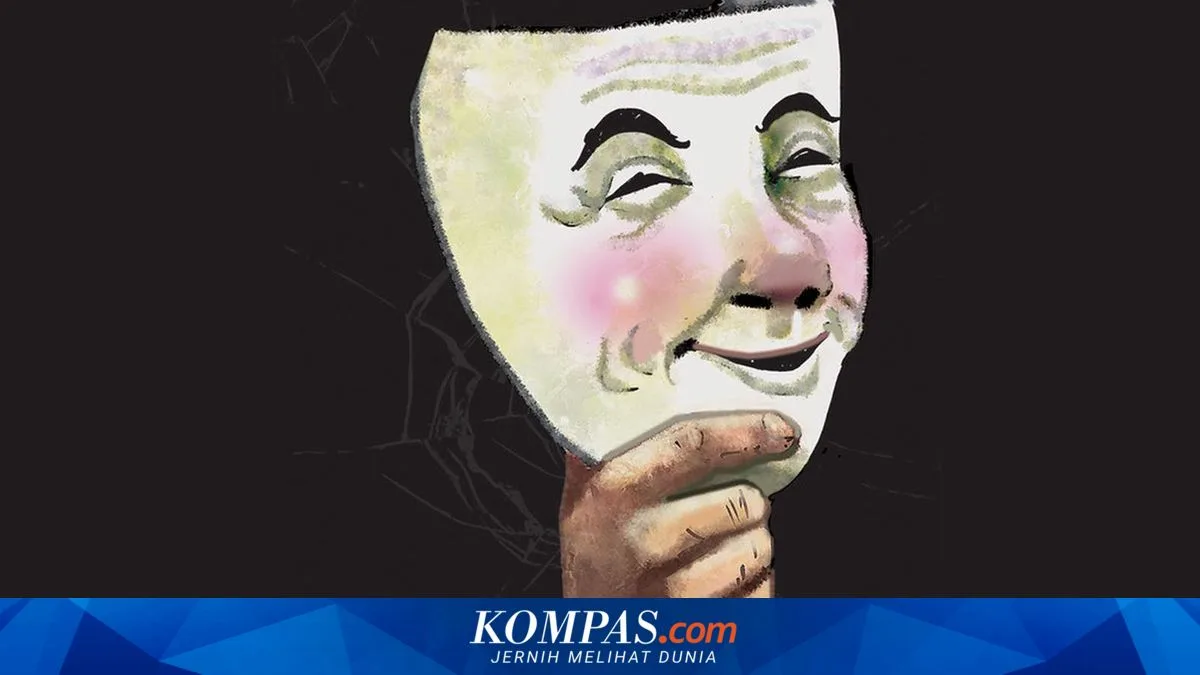
A politician sharply criticizes a policy in the morning, then that afternoon his party leadership declares full support. The next morning, he insists his stance was in line with the party line from the start. Such events are no longer an anomaly, but a pattern increasingly visible on the national political stage.
In his column in Kompas, academic Hariyanto highlights the tendency of political elites who want to enjoy two advantages at once: the freedom to change position without having to account for it openly. He uses the term "Sein"—German for being—to assert that politics should be judged by what is actually done, not by the image projected.
Hariyanto argues that in front of the camera, political positions often appear firm: there is a party being defended, a decision being opposed, a line claimed to be inviolable. But after the broadcast ends, pressure comes from many directions—calls from colleagues, closed-door meetings, and long-term electoral calculations. At that point, the firmness displayed to the public begins to be tested.
The problem is not merely a shift in position. In politics, a change of stance can be legitimate if based on new information or policy improvement. But Hariyanto underscores the danger when politicians demand the right to change course while refusing the obligation to explain the reasons behind it. "Both roles can be played until the moment comes to vote, sign an approval, or accept a position," he writes.
Such practices have a direct impact on the quality of democracy. Voters are asked to make choices based on names and images, not on a consistent track record. When promises and stances change easily without accountability, public trust in political institutions erodes. Moreover, investors and market players often read uncertainty in policy direction as a risk signal, especially ahead of an electoral year.
"The problem lies in their ability to withhold the details," writes Hariyanto, criticizing the clichéd phrases used to avoid substantive explanation.
For readers in Indonesia, this issue is not merely a debate over elite ethics. A policy direction that shifts without explanation can affect the investment climate, regulatory stability, and the effectiveness of development programs. When political parties are busier managing their image than formulating a clear position, the cost of that uncertainty is ultimately borne by the wider public.
Hariyanto does not demand that politicians be rigid. He acknowledges that negotiation and compromise are inseparable parts of democracy. But he stresses the importance of transparency: the public has the right to know why a decision was made, not just what the decision was. Without that, politics becomes merely a performance on two stages—one for supporters, one for power.
Going forward, the question is simple: will political elites begin to open up the process behind changes in stance, or will they instead become ever more skilled at packaging turns without a trace? The answer will determine how far the public still trusts the promises made in front of the camera.