5.5-Year Sentence Sought for Ex-Ombudsman Chief: A Blow to Nickel Governance Reform
Baca dalam 60 detik
- Jaksa menuntut Hery Susanto dengan pidana 5 tahun 6 bulan penjara, denda Rp300 juta, dan uang pengganti Rp4,19 miliar dalam kasus dugaan suap tata kelola nikel.
- Tuntutan ini menyoroti lemahnya pengawasan di sektor tambang yang strategis, berpotensi mengguncang kepercayaan investor terhadap komitmen antikorupsi Indonesia.
- Pembelaan akan diajukan, dan vonis akhir dapat menjadi preseden penegakan hukum di sektor sumber daya alam.
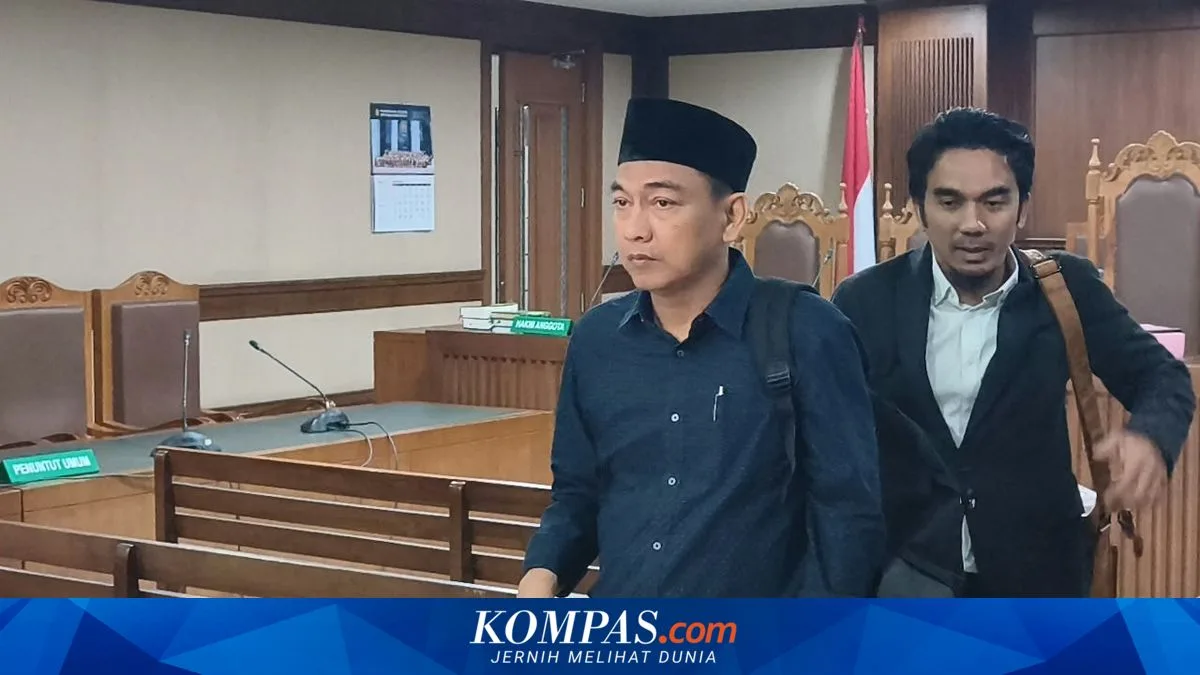
Former Chairman of the Ombudsman of the Republic of Indonesia, Hery Susanto, faces a criminal demand of 5 years and 6 months in prison from the Public Prosecutor at a hearing at the Central Jakarta Corruption Court on Thursday (24/9/2026). Prosecutors argued Hery was legally and convincingly proven to have committed corruption related to nickel governance, violating Article 12 letter a juncto Article 18 of Law No. 31/1999 as amended by Law No. 20/2001 and Law No. 1/2026. In addition to imprisonment, prosecutors demanded a fine of Rp300 million and restitution of Rp4.19 billion; if unpaid within one month after the verdict becomes legally binding, his assets will be seized and auctioned, with an additional 3-year sentence if the assets are insufficient.
The demand has drawn attention because Hery once led the public service oversight body that should be at the forefront of corruption eradication. Prosecutors asserted the defendant's actions tarnished the Ombudsman's reputation, eroded public trust, and contradicted the bureaucratic reform agenda. "The defendant's actions injured the reform mandate that was the foundation for the Ombudsman's creation," the prosecutor said in court. Nevertheless, prosecutors also considered mitigating factors: Hery has never been convicted and is the family's breadwinner.
The case highlights the vulnerability of governance in the nickel sector, a commodity that is increasingly strategic amid the growth of the electric vehicle battery industry. Alleged bribery in nickel management not only harms the state financially but also risks disrupting the investment climate. Analysts say firm law enforcement sends an important signal to businesses, especially amid the government's push for mineral downstreaming. However, a protracted legal process could create uncertainty for investors weighing expansion in Indonesia.
"We will file a defense," said Hery Susanto's legal counsel in court, responding to the prosecutors' demand. Presiding Judge Dwi Elyarahma Sulistyowati gave one week, but the defense team requested an extension of up to two weeks.
For readers in Indonesia, especially investors and professionals in the energy and mining sectors, the development of this case deserves close attention. The final verdict will be an indicator of how far the government is committed to eradicating corruption in the natural resources sector that is the backbone of exports. If the demand is granted, the deterrent effect is expected to strengthen governance, but if it is too light, it could trigger skepticism toward reform efforts. In addition, the Ombudsman's position as an external overseer needs to be strengthened so that abuse of authority by its own officials does not recur.
Going forward, the public awaits whether Hery's defense can refute the charges or instead reinforce the judges' conviction. More importantly, this case tests the integrity of the oversight body and the consistency of corruption eradication in a strategic sector. Can law enforcement become a turning point for improving nickel governance, or will it merely be a dark note in the history of bureaucratic reform?