Jokowi Unfazed by Parliamentary Threshold Talk: 5, 6, 7, 8, All Fine
Baca dalam 60 detik
- Jokowi menyerahkan sepenuhnya penentuan ambang batas parlemen kepada DPR dan pemerintah, tanpa mempersoalkan angka berapa pun yang dipilih.
- Partai-partai masih terbelah: mayoritas mengusulkan 5 persen, PAN 4 persen, dan NasDem 7 persen, sementara PSI yang dipimpin Kaesang Pangarep belum lolos ke Senayan.
- Putusan MK mewajibkan ambang batas baru dirumuskan secara rasional untuk mengurangi suara terbuang, menjelang Pemilu 2029.
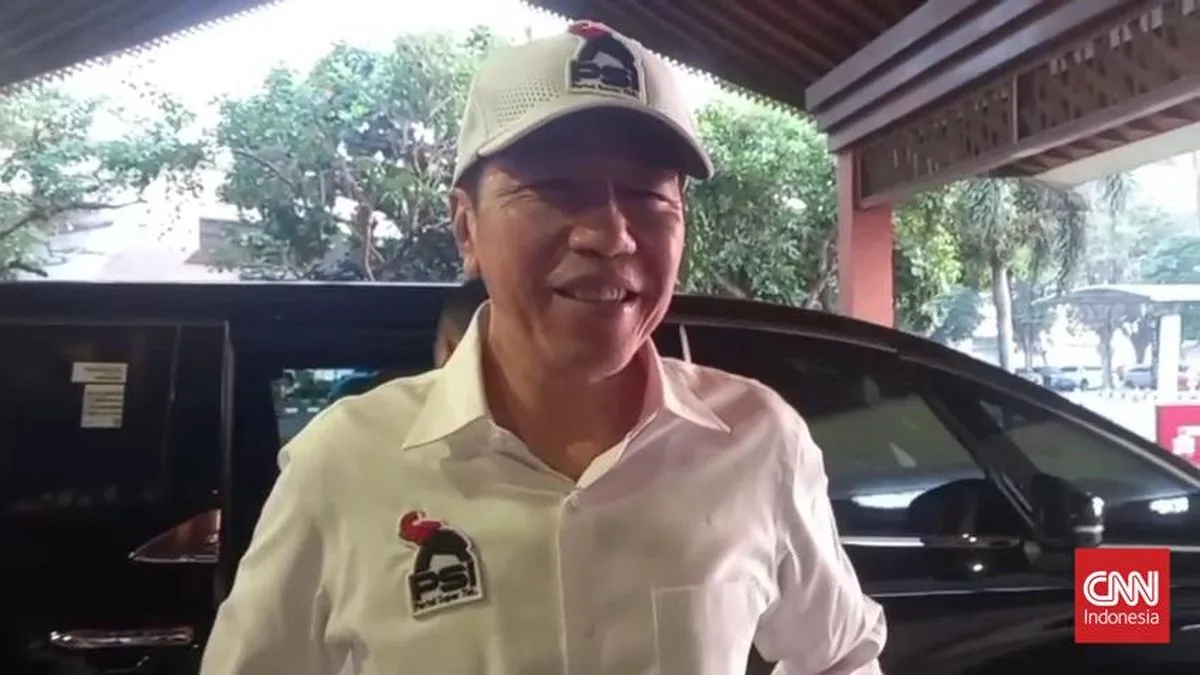
Indonesia's 7th President Joko Widodo responded casually to the discourse on raising the parliamentary threshold (PT) for the 2029 election. He said he had no problem with whatever figure is eventually agreed upon, leaving the decision entirely to the DPR and the government.
"5 is fine, 6 is fine, 7 is fine, 8 is fine," Jokowi said when met in Solo on Thursday (24/9). The statement came amid ongoing deliberations on the revision of the Election Law at Senayan, one focus of which is determining the size of the PT.
Though it may seem like washing his hands of the matter, Jokowi's stance implies that the issue is not solely the executive's domain. He stressed that the final decision rests with the DPR factions and the government. "Just leave it to the DPR, to the factions in the DPR, to the government. They will be the ones to decide," said the father of Vice President Gibran Rakabuming Raka.
When asked about the impact of a higher PT on PSI's chances of entering parliament, Jokowi gave no firm answer. "Well, what's the threshold? It hasn't been decided yet," he deflected. He then touched on PSI's status as a non-parliamentary party and stressed the importance of hard work in building a mass base. "PSI is still non-parliamentary. So the most important thing is for everyone to work hard," he said.
The PT deliberations in the DPR remain tough. Several parties have yet to reach an agreement. The majority of factions, including Gerindra, PKS, and PDIP, propose 5 percent. PAN proposes 4 percent, while NasDem has the highest proposal at 7 percent. The dynamics show a tug-of-war of interests among parties ahead of the 2029 election.
Setting the parliamentary threshold is not merely a technical number. Constitutional Court Ruling No. 116/PUU-XXI/2023 orders lawmakers to formulate a new PT with rational considerations and to reduce wasted votes. That means a figure that is too high could curtail citizens' voting rights, while one that is too low could fragment the political map at Senayan.
For the public, this decision will determine how effectively their votes are represented. A high threshold tends to benefit large parties and narrow the space for small or new parties. Conversely, a low threshold opens greater opportunities for more diverse political representation, though it risks increasing fragmentation in parliament.
With Jokowi's stance leaning toward ambiguity, the spotlight now shifts to the DPR and the government. Will they be able to produce a threshold that not only fulfills the Constitutional Court's order but is also fair to all contestants and voters? The answer will become clear in the coming months, and its impact will be felt through the 2029 election.