The "Phantom Kick" Term at the Hajj Quota Trial: A Signal of Fragile Governance
Baca dalam 60 detik
- Mantan Dirjen PHU Hilman Latief mengungkap istilah "tendangan tanpa bayangan" saat bersaksi di Pengadilan Tipikor Jakarta Pusat, Kamis (24/9/2026).
- Istilah itu merujuk pada upaya mengebut penyerapan sisa kuota haji, dengan sorotan utama pada jemaah T0 yang berangkat tanpa antrean.
- Kesaksian ini memperkuat dugaan bahwa persoalan kuota haji 2023-2024 bukan sekadar administratif, melainkan menyentuh integritas tata kelola.
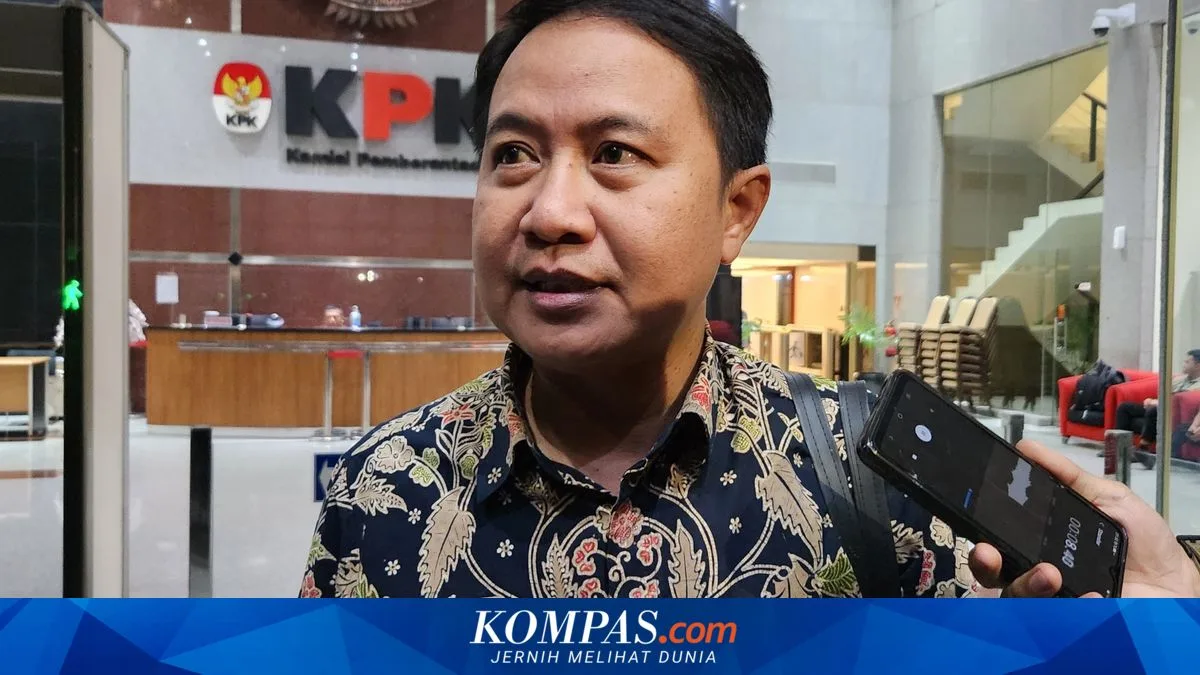
Former Director General of Hajj and Umrah Organization (PHU) at the Ministry of Religious Affairs, Hilman Latief, brought up the phrase "phantom kick" while testifying in the trial over alleged corruption in the 2023-2024 additional hajj quota at the Central Jakarta Corruption Court, Thursday (24/9/2026). The phrase is not merely a sports term; it describes a way of working that chases quick results without an easily traceable trail.
According to Hilman, the term came up when he discussed the findings of the Supreme Audit Agency (BPK) in 2023. At the time, he hoped similar problems would not recur. "We hoped for that 'phantom kick,' as I put it, so that this would not happen again," he said before the panel of judges. He explained that the phrase referred to efforts to use up the remaining hajj quota as quickly as possible so that all of it would be absorbed.
KPK prosecutors initially asked about Hilman's statement in an online meeting regarding the BPK findings. Hilman said the state audit agency's findings varied, from moderate to serious, covering governance and procedures. When prosecutors probed whether the phrase specifically targeted the T0 issue, Hilman stressed its scope was broader. "Not only T0, Sir. So the whole of our compliance process with regulations," he said. However, when prosecutors asked for a concrete example, he named T0 as one of the focuses in that meeting.
The term T0 itself refers to pilgrims who depart immediately in the year of registration, bypassing the usually long queue. For the public, this category is sensitive because it concerns a sense of fairness. While millions of prospective pilgrims wait for years, the existence of a queue-free lane raises questions about who is entitled and on what basis. It is in that context that the phrase "phantom kick" becomes a kind of metaphor: there is swift action, but its trail is hard to account for.
"Not only T0, Sir. So the whole of our compliance process with regulations."
— Hilman Latief, former Director General of PHU at the Ministry of Religious Affairs, in court.
Hilman's testimony shows that the hajj quota issue does not stop at numbers. It touches on how the institution manages compliance, from planning and pilgrim placement to reporting. When an audit finds gaps, the response should be systemic improvement. Yet the term Hilman chose instead suggests a practice that prioritizes speed over procedure. For the KPK, this testimony can serve as an entry point to trace whether any party deliberately exploited those gaps.
For readers in Indonesia, especially investors and professionals monitoring public sector governance, this case has broader implications. Hajj organization involves large amounts of public funds, cooperation with airlines, accommodation in Saudi Arabia, and supporting services at home. Regulatory uncertainty and weak oversight can create reputational risks and additional costs. Conversely, governance improvements could boost efficiency and public trust in religious institutions.
So far, the trial has not produced a verdict. However, the flow of testimony shows that the investigation's focus is not singular. Prosecutors are trying to determine whether the phrase "phantom kick" was merely rhetoric in a meeting or a reflection of a broader practice. Hilman himself repeatedly stressed that the main issue was compliance with regulations, not merely the T0 category. That statement can be read as an effort to distance himself from the allegations, as well as an acknowledgment that there are systemic problems that need fixing.
Going forward, the public will wait to see whether this trial produces a legal breakthrough or merely becomes a dark historical note on hajj organization. The big question: if a phrase like "phantom kick" once appeared in an official meeting room, how deep is the vulnerability in hajj governance, and can the promised improvements close that gap before the next hajj season?