127 Years of Electric Trains in Indonesia: From Batavia Trams to Whoosh, KAI Cuts Distances
Baca dalam 60 detik
- Jaringan rel listrik Nusantara sudah ada sejak 1899, jauh sebelum kereta cepat Whoosh melintas di Jawa Barat.
- KAI memperluas elektrifikasi KRL hingga Cikampek dan Cigombong untuk mengejar target dua juta penumpang harian.
- Investasi transportasi berbasis listrik membuka peluang bagi sektor energi, properti, dan industri pendukung di kawasan penyangga.
PT Kereta Api Indonesia (Persero) marked its 81st anniversary by unveiling plans to expand electrification of the electric rail (KRL) network in two main Jabodetabek corridors: extending the Bekasi line from Cikarang to Cikampek, and the Bogor line to Cigombong. The move comes amid efforts to raise KRL capacity toward two million passengers per day, as stated by KAI President Director Bobby Rasyidin in an official statement on Thursday (24/9/2026).
The ambition is not merely an ordinary infrastructure project. The electrification expansion touches on three fundamental issues: congestion in the buffer zones, dependence on fossil fuels, and more equitable access to public transportation. For KAI, adding electric lines means expanding capacity without having to add diesel-powered train sets. However, its realization depends on the readiness of power supply, land acquisition, and intermodal integration at the ends of the lines.
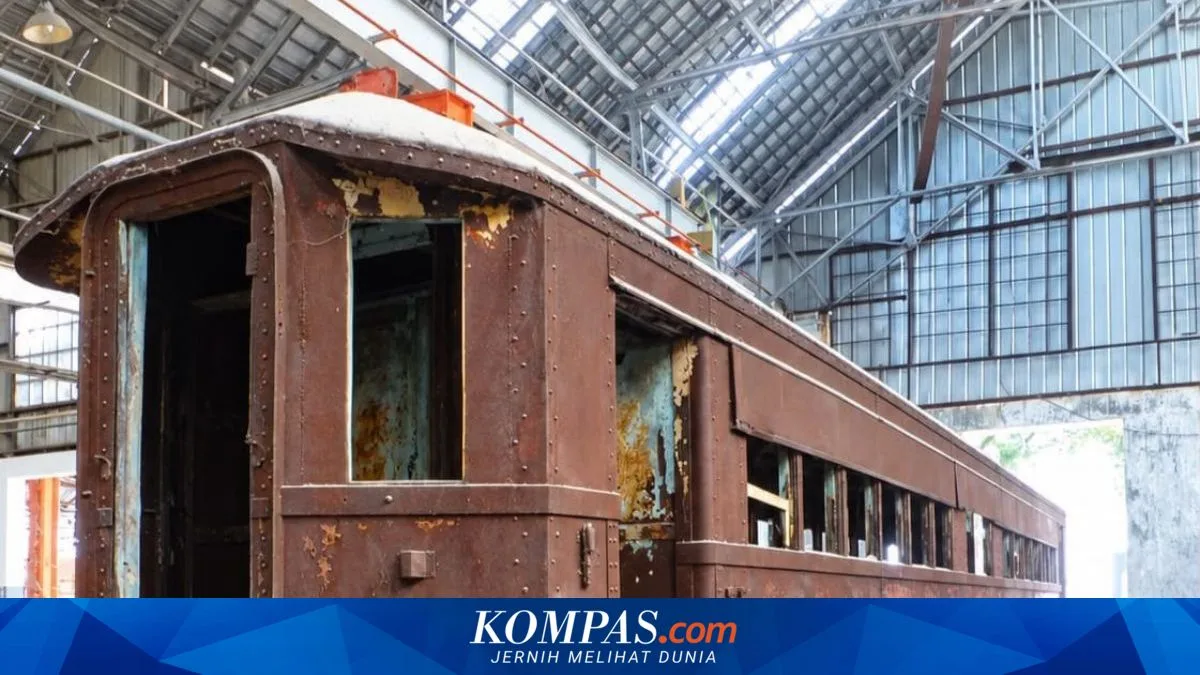
The electric footprint on Indonesian rails actually began long before the republic was founded. On 10 April 1899, the first electric tram in Batavia officially began operating, imported from the Dyle et Bacalan factory in Belgium and managed by Bataviasche Elektrische Tram Maatschappij (BETM). Its inauguration took place behind the Batavia Zoo in Cikini, Menteng—an area that is now a business and dense residential center.
The tram network reached Harmoni, Tanah Abang, Menteng, Kramat, Pasar Senen, Pintu Besi, and Batavia Station. The depot in Cikini was equipped with workshops and a power plant engine room, making it one of the first energy hubs in the Dutch East Indies. History records that the first electric train only ran on 6 April 1925 on the Tanjung Priok–Meester Cornelis (Jatinegara) route, then was extended to Batavia–Buitenzorg (Jakarta–Bogor) in 1930. In other words, rail electrification in Java is already 127 years old—older than the Whoosh high-speed train that now speeds at 350 km per hour.
“This development is carried out in stages to increase KRL service capacity toward 2 million passengers per day,” said Bobby Rasyidin.
For readers in Indonesia—especially investors and professionals—this electrification expansion offers three implications. First, the demand for power supply for KRL will rise, opening room for PLN and renewable energy developers. Second, areas around Cikampek and Cigombong could see a surge in property and retail demand, similar to what happened in Bodetabek. Third, fare and intermodal integration becomes a test: without adequate feeders, extending the lines could lead to new congestion at terminal stations.
History also offers lessons. When electric trams arrived in Batavia, they changed residents' mobility patterns and spurred growth in areas along their routes. However, the trams were later eroded by buses and private vehicles because they could not adapt. KAI faces a similar risk if the electrification expansion is not followed by infrastructure maintenance, signal modernization, and affordable fares.
The government itself targets electricity-based mass transportation as the backbone of decarbonizing the energy sector. With the renewable energy mix still around 13 percent, KRL's dependence on coal-fired electricity is an irony that needs to be addressed. On the other hand, Whoosh—operating since 2023—has proven that high-speed rail technology can be accepted by the market, albeit with premium ticket prices.
Going forward, the question is no longer whether Indonesia can expand its electric network, but how quickly integration among KRL, LRT, MRT, and Whoosh can be realized under one ticket and one schedule. If successful, 127 years of electric footprints on the archipelago's rails will become the foundation for equitable mobility, not merely a historical record.