Deputy Education Minister Stresses Cadet Extracurricular Does Not Produce Soldiers, Focuses on Character and National Defense
Baca dalam 60 detik
- Kemendikdasmen dan Kemenhan resmi meluncurkan ekstrakurikuler Korps Kadet Republik Indonesia (KKRI) sebagai kegiatan pilihan di jenjang pendidikan menengah.
- Program ini menekankan pembinaan karakter, budi pekerti, dan kesadaran bela negara tanpa unsur militerisme, dengan metode luring dan daring.
- Pelaksanaan KKRI melibatkan jajaran TNI dari Kodam hingga Koramil serta platform digital kkri.id, dan terbuka bagi seluruh siswa SMA/SMK/MA.
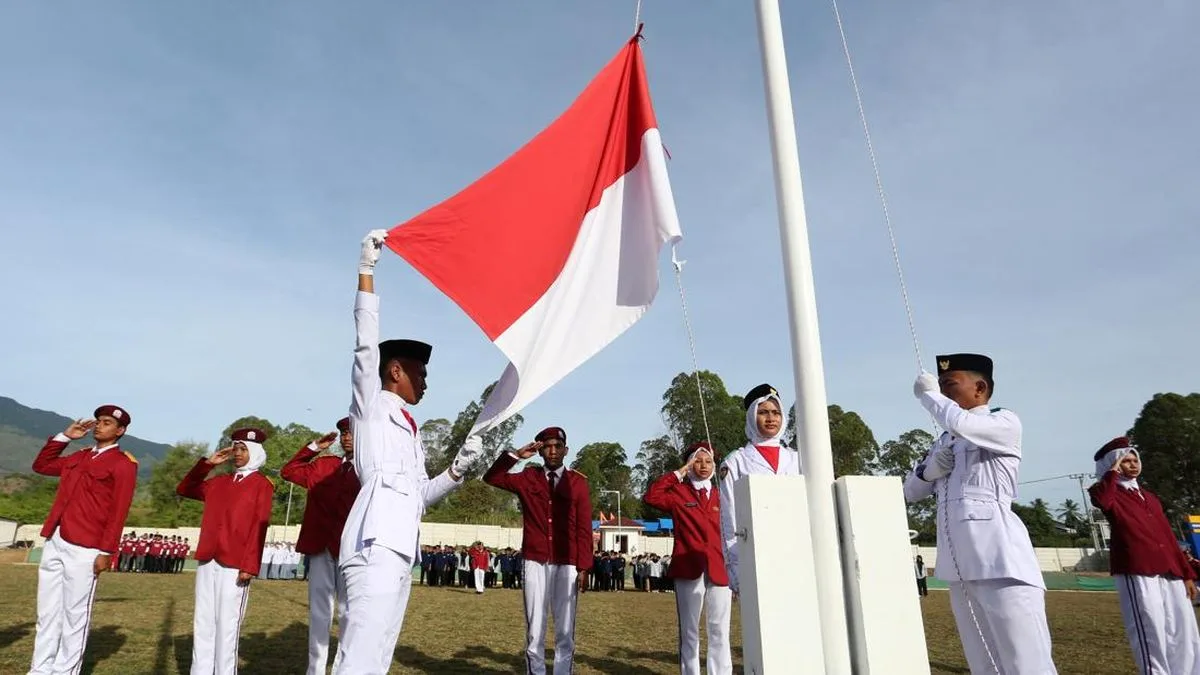
Deputy Minister of Primary and Secondary Education (Wamendikdasmen) Atip Latipulhayat stressed that the extracurricular Korps Kadet Republik Indonesia (KKRI) is not designed to turn students into soldiers. According to him, the program aims to strengthen the character of the younger generation by instilling awareness of national defense, not by introducing military culture into schools.
"In my view, the presence of the KKRI extracurricular is very appropriate, and it is not mandatory. When a school carries out national defense awareness training, it is in fact fulfilling the rights of our students," Atip said at the KKRI launch event on Thursday (24/9).
The statement responded to concerns from some quarters that a program with a military discipline flavor in schools could lead to the militarization of education. Atip emphasized that KKRI is voluntary and places greater emphasis on character building and love for the homeland.
Kemendikdasmen has prepared a number of steps so that this extracurricular has a clear foundation in education units. In addition to the ministerial decree, a Circular Letter from the Secretary General of Kemendikdasmen was issued as technical guidance. "KKRI at the secondary education level is ready to be implemented. We must oversee its implementation to achieve the goals mandated by our constitution," Atip added.
The program is a collaboration between the Ministry of Defense (Kemenhan) and Kemendikdasmen. Head of the National Reserve Agency (Kabacadnas) of Kemenhan, Lt. Gen. TNI Gabriel Lema, stated that for students, national defense can be realized through simple actions such as studying diligently, being disciplined, and respecting teachers and parents. "Today we are not merely launching an extracurricular activity, but also continuing to open spaces for the younger generation in the context of development, in order to build character and foster love for the homeland," Gabriel said.
Kemenhan ensures that TNI ranks from the Kodam, Korem, Kodim, down to Koramil levels will be involved in the implementation of KKRI. Head of the Defense Information Bureau of the Kemhan Secretariat General, Brig. Gen. Rico Ricardo Sirait, explained that the program is voluntary and Kemenhan plays an active role in facilitating it through the KKRI Secretariat at various levels. "The method is offline (luring) or face-to-face. Learning implementation in schools is accompanied by supervising teachers who synergize with the Regional Secretariat at the Kodam, Korem, Kodim, down to Koramil levels. Teachers and supervisors focus on strengthening character, ethics, and national insight materials," Rico said.
In addition to face-to-face sessions, KKRI also provides an online method through the kkri.id platform. All SMA/SMK/MA and equivalent students can register using a Google account. Digital learning is designed to be relevant to the younger generation. "Through cross-ministerial collaboration and the support of regional apparatus, Kemenhan hopes the KKRI program can become a positive, easily accessible, and genuinely beneficial means of development for the future of Indonesia's younger generation," Rico concluded.
Going forward, the effectiveness of KKRI will depend on oversight of implementation in the regions and public acceptance. The crucial question: does this program truly strengthen character without getting trapped in militaristic formality, or does it instead create a new burden for schools and students?