House Pushes Basarnas to Continue KMP Virgo Evacuation, Promises Budget Talks
Baca dalam 60 detik
- Ketua Komisi V DPR Lasarus meminta Basarnas tidak menghentikan operasi pencarian korban KMP Virgo Transport 8 yang tenggelam di Laut Jawa.
- Ia menegaskan keluarga korban masih berharap jasad kerabat mereka ditemukan, dan menawarkan solusi pembiayaan jika pemerintah kehabisan anggaran.
- Kabasarnas melaporkan posisi kapal sudah menyentuh dasar laut namun sebagian badan masih terlihat di permukaan, sehingga evakuasi dinilai masih mungkin dilakukan.
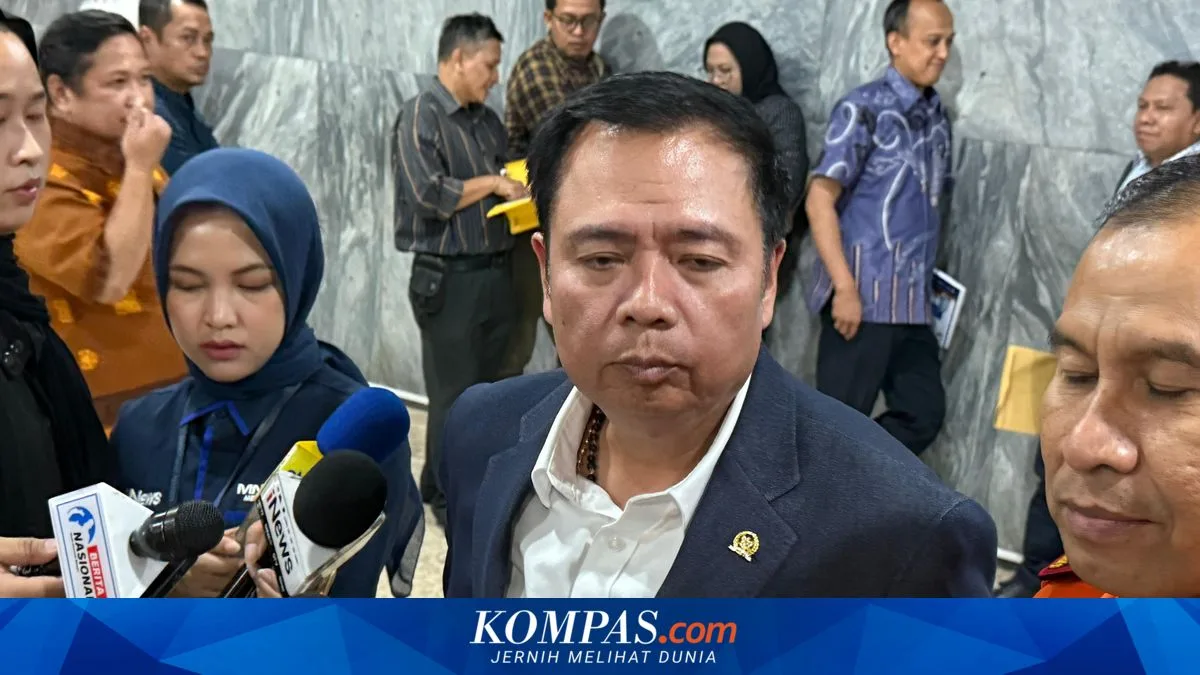
Member of Commission V of the Indonesian House of Representatives (DPR RI), Lasarus, has asked the head of the National Search and Rescue Agency (Basarnas), Air Vice Marshal Mohammad Syafi'i, not to halt the evacuation of victims of KMP Virgo Transport 8, which went missing in the waters of the Java Sea. The request was made during a Commission V working meeting at the Parliamentary Complex in Jakarta on Thursday (24/9/2026), in response to the many victims' families who came directly to the DPR to complain.
Lasarus stressed that a decision to stop the search before all victims are confirmed to be no longer trapped inside the vessel would wound the families' hopes. "We hope this operation continues until it is truly confirmed that no victims remain trapped inside the ship," he said, echoing the aspirations he had received. He also highlighted that the ship's location had been found, meaning that ending the operation could not yet be justified on humanitarian grounds.
During the meeting, Lasarus asked about the current condition of the wreck. The Basarnas chief explained that the ship's position had now touched the seabed, though it remained tilted. "Is it still visible from the sea surface?" Lasarus asked. "Yes, from above it is still visible," Syafi'i replied. The fact that part of the hull is still visible above the surface underpins the argument that evacuation remains technically possible.
Notably, Lasarus explicitly asked Transportation Minister Dudy Purwagandhy and the Basarnas chief not to worry about costs. According to him, the funding issue could be discussed further, including through a meeting with the commission's leadership and the DPR leadership. "If the government says there is no more money, we will discuss it, Sir, for this funding need," he said. The statement implies that the DPR is ready to intervene in budget allocation so that the operation does not stop midway.
The DPR's push comes amid public scrutiny of the handling of maritime accidents that often end without certainty for victims' families. For many families, finding a relative's body is not merely a matter of burial, but also a prerequisite for handling death administration, insurance, and other legal rights. This uncertainty risks creating long-term psychological and economic burdens, especially for families who depended on the victims for their livelihood.
From a governance standpoint, the DPR's request also highlights the absence of a clear emergency funding mechanism for large-scale SAR operations. Basarnas, as the main search and rescue agency, often has to contend with budget constraints when operations drag on. If the government truly runs out of funds, the debate over budget priorities in parliament becomes a test of the state's commitment to safety of life at sea.
For readers in Indonesia, particularly shipping businesses and investors in the logistics sector, this case is a reminder that maritime transport safety standards still leave a great deal of homework. Existing regulations have not fully prevented accidents, and when they occur, the evacuation response often depends on momentary political pressure. Such uncertainty can affect confidence in the national maritime logistics ecosystem, which is the backbone of inter-island goods distribution.
Going forward, the public will be waiting to see whether Basarnas truly continues the operation to completion or instead halts it on efficiency grounds. If the DPR does hold a special budget meeting, the outcome will set a precedent for how far the state is present in an emergency. The question is whether this push will lead to a concrete solution, or merely become political rhetoric that evaporates once the cameras are off?