Silmy Karim's Lawyer Challenges KPK to Prove Money Trail: Don't Turn Witnesses into a Guilty Verdict
Baca dalam 60 detik
- Kuasa hukum Silmy Karim menuntut KPK membuktikan secara rinci siapa pemberi, penerima, waktu, tujuan, dan kaitan transaksi dengan kliennya sebelum menyimpulkan pidana.
- Pemeriksaan Executive Chairman Tempo Scan Group, Handojo S Muljadi, sebagai saksi dinilai belum otomatis mengonfirmasi dugaan penyidik.
- Pembela menekankan asas praduga tak bersalah dan Pasal 91 KUHAP, sementara KPK masih mendalami dugaan aliran dana ke oknum Imipas.
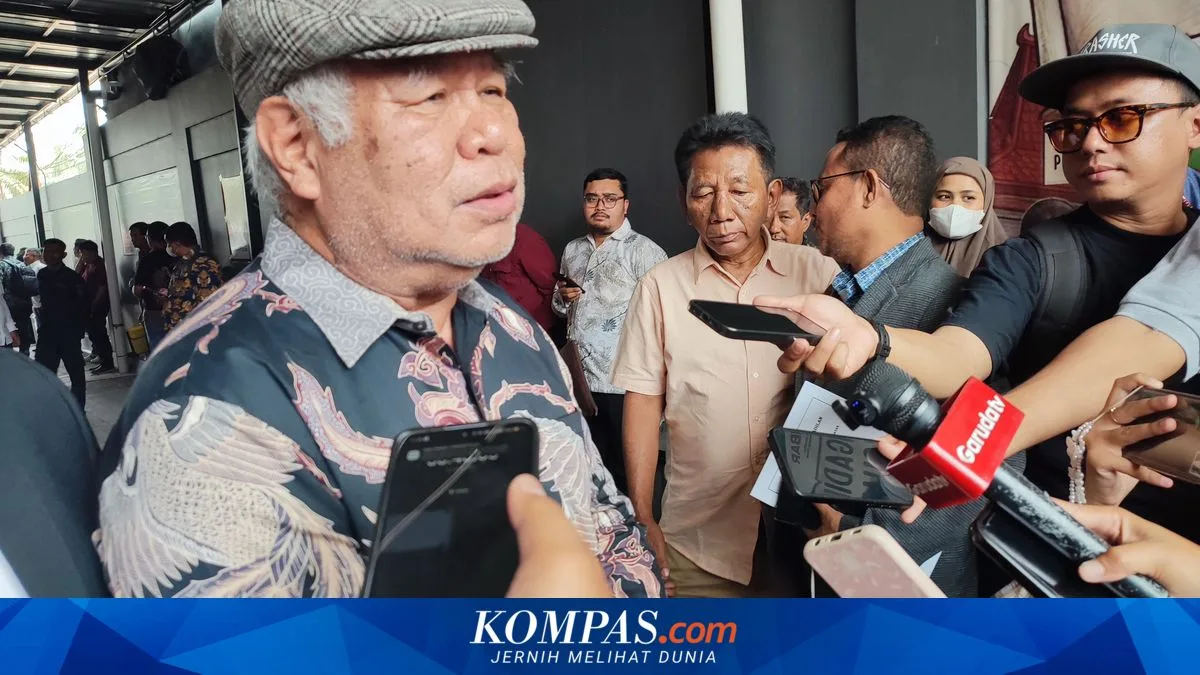
JAKARTA — The lawyer for former Deputy Minister of Immigration and Corrections Silmy Karim, Soleman B Ponto, has challenged the Corruption Eradication Commission (KPK) to prove in detail the alleged receipt of money that has ensnared his client. He stressed that a criminal accusation cannot be built solely on one-sided statements without clear evidence of a transaction.
In a written statement on Thursday (24/9/2026), Soleman laid out five elements investigators must satisfy: the identity of the giver, the identity of the recipient, the time of the transaction, the purpose of the payment, and the link between the transaction and Silmy Karim along with the elements of the alleged crime. According to him, without those five elements, the conclusion that his client unlawfully received money is still too far a stretch.
The statement came after the KPK questioned Executive Chairman of Tempo Scan Group, Handojo S Muljadi, as a witness on Tuesday (22/9/2026). KPK spokesperson Budi Prasetyo said investigators were probing the alleged payment of money to individuals at the Directorate General of Immigration. The case is a development of an alleged extortion scheme in the processing of residence permits for foreign nationals at the Ministry of Immigration and Corrections.
Soleman highlighted the position of witnesses in the investigation. He argued that a person's presence at the KPK building does not automatically confirm all of the investigators' allegations. The public, he said, should not be steered into treating the questioning as proof that the person examined had paid a bribe or that the suspect must have received it.
“It must be proven who gave, who received, when the transaction took place, what its purpose was, and how the transaction relates to Silmy Karim and the elements of the alleged crime,” Soleman said.
The defense also asked investigators to respect Article 91 of the Criminal Procedure Code (KUHAP), which bars investigators from committing acts that create a presumption of guilt when naming a suspect. According to Soleman, the KPK's institutional communications must not turn suspect status into a public mark of guilt. He stressed that Silmy Karim must remain presumed innocent until a court ruling with permanent legal force.
On the KPK's side, the investigation is still ongoing. Budi Prasetyo has not disclosed the specific material explored in Handojo's questioning. However, information gathered indicates Handojo arrived at the KPK building at around 10.06 WIB. The questioning of this corporate witness is part of the collection and testing of information in the investigation.
The case touches on two sensitive issues at once: the governance of immigration services and business ties with officials. The alleged extortion in the processing of foreign nationals' residence permits points to a vulnerable spot where corporate interests meet administrative authority. For the business world, legal uncertainty in this sector can raise compliance costs and slow down the permit process for foreign workers.
Corruption in immigration services also has a direct impact on the investment climate. Companies that employ foreign nationals often depend on certainty over time and cost. When the official channel is undermined by illegal levies, the burden shifts to law-abiding businesses. The completion of this case, therefore, is not merely about individuals but a test of the government's commitment to cleaning up public services.
What bears watching is that the KPK has not laid out the full construction of the case. The public is waiting to see whether investigators have solid transaction evidence or are relying only on witness testimony. On the other side, Silmy Karim's legal team has chosen a strategy of attacking the validity of the evidence from the outset. This pattern is common in corruption cases that draw public attention, where legal battles often play out in pretrial hearings before reaching the merits of the case.
Going forward, two things will determine the direction of this case: the KPK's ability to piece together evidence of the money trail in a coherent way and its consistency in upholding the presumption of innocence. If the evidence is weak, public trust in the handling of the case could erode. Conversely, if the evidence is strong, the case could become a gateway to reforming immigration governance. The question is whether the KPK can maintain the balance between the speed of its investigation and the protection of a suspect's rights?