Glasgow City Council Sacks 23,000 Staff to Impose New Contracts: Controversial Move Sparks Union Anger
Baca dalam 60 detik
- Dewan Kota Glasgow mengirim surat pemberhentian kepada lebih dari 23.000 staf non-pengajar, dengan kontrak baru berlaku 1 Januari.
- Kebijakan fire and rehire ini muncul setelah negosiasi upah dengan tiga serikat pekerja gagal, terutama karena Unison menolak melakukan pemungutan suara.
- Langkah ini menuai kecaman keras dan berpotensi memicu aksi industrial besar-besaran, sementara 11% karyawan terancam pemotongan gaji hingga £11.500.
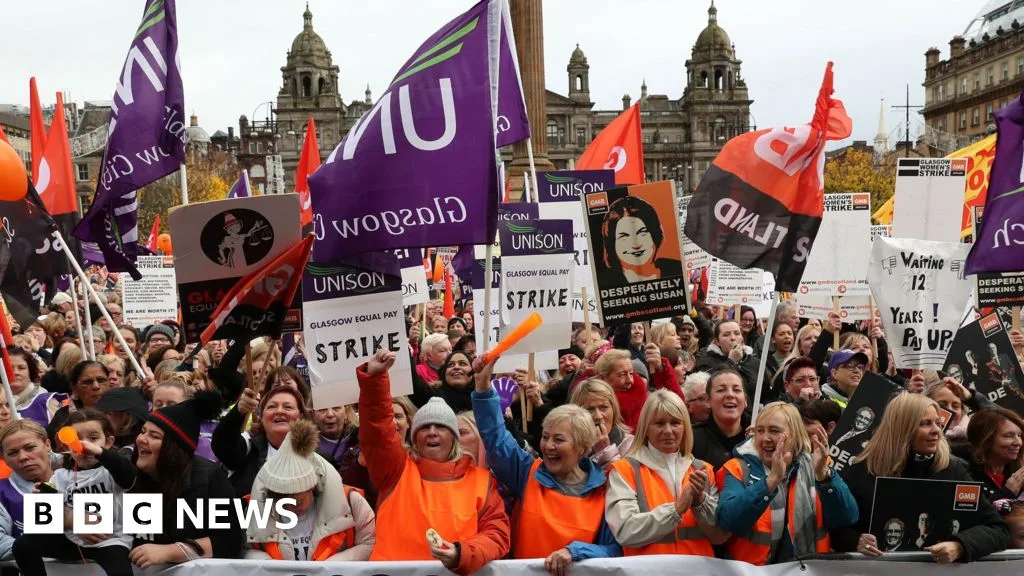
Glasgow City Council has formally issued dismissal letters to more than 23,000 non-teaching staff members, a dramatic move that will be followed by an offer of new contracts starting 1 January. The decision was taken after pay talks with the GMB, Unison, and Unite unions reached a deadlock, sparking anger and the potential for major industrial conflict.
The policy, known as "fire and rehire," stems from the council's attempt to replace the old pay and grading system, which had previously been ruled discriminatory against women workers. The new system is expected to resolve the equal pay issue, but as a consequence, around 11% of employees will see their income fall, with the largest cut reaching £11,500 per year. Meanwhile, 63% of staff are projected to receive a pay rise or see no change in their salary.
Glasgow City Council's Director of Communications and Corporate Governance, Colin Edgar, accused Unison of having "betrayed" its own members by refusing to hold a vote on the offer put forward. He stressed that the council had done its utmost, including extending pay protection from six to twelve months for those affected. "There is no agreed way forward between the council and the joint trade unions," he said.
"Glasgow City Council staff will not be rushed into accepting a bad deal simply because of the pressure of an arbitrary deadline. The council's decision to dismiss workers helps no one, and Glasgow City Council risks being branded a pariah employer if it refuses to negotiate in good faith," said Mandy McDowall, regional organiser for Unison Scotland.
Similarly, Graham McNabb of Unite the Union warned that if the council proceeds with the plan, the union will respond with full force. Previously, GMB and Unite claimed to have secured an additional £110 million for the settlement package, but Unison argued the funds were only for adjustments and arrears, not to help those facing pay cuts.
This crisis is not the first for Glasgow City Council. Previously, the council paid around £770 million after it emerged that women workers in sectors such as catering and cleaning were paid up to £3 per hour less than their male counterparts in areas such as refuse collection. The new job evaluation scheme was designed to close that gap, but its implementation has instead triggered fresh turmoil.
For Indonesia, this case is a mirror of how pay system reform with noble aims can trigger resistance if not accompanied by adequate communication and transition protection. Amid the government's push to improve competitiveness and pay fairness, the lesson from Glasgow shows the importance of inclusive social dialogue. Companies and policymakers at home need to ensure that any change to pay structures does not create casualties among vulnerable workers, especially women who are often affected by discriminatory policies.
With the 1 January deadline drawing closer, public pressure and the potential for strike action loom ever larger. Trade unions are expected to fight hard, and if no peaceful settlement is reached, a large-scale industrial action will be difficult to avoid. The question is, will the council offer additional concessions or instead insist on a confrontational path that could paralyse public services in Glasgow?