UK Government Rejects Dog Licensing, Focuses on More Targeted New Regulation
Baca dalam 60 detik
- Pemerintah Inggris memastikan tidak akan menerapkan skema lisensi kepemilikan anjing, meski panel ahli merekomendasikan persyaratan hukum baru.
- Laporan taskforce mengungkap populasi anjing naik 35% sejak 2011 dan rawat inap akibat gigitan anjing melonjak 77% di Inggris.
- Opsi regulasi yang dipertimbangkan termasuk uji pengetahuan pemilik dan pemeriksaan latar belakang, dengan keputusan akhir menunggu kajian lebih lanjut.
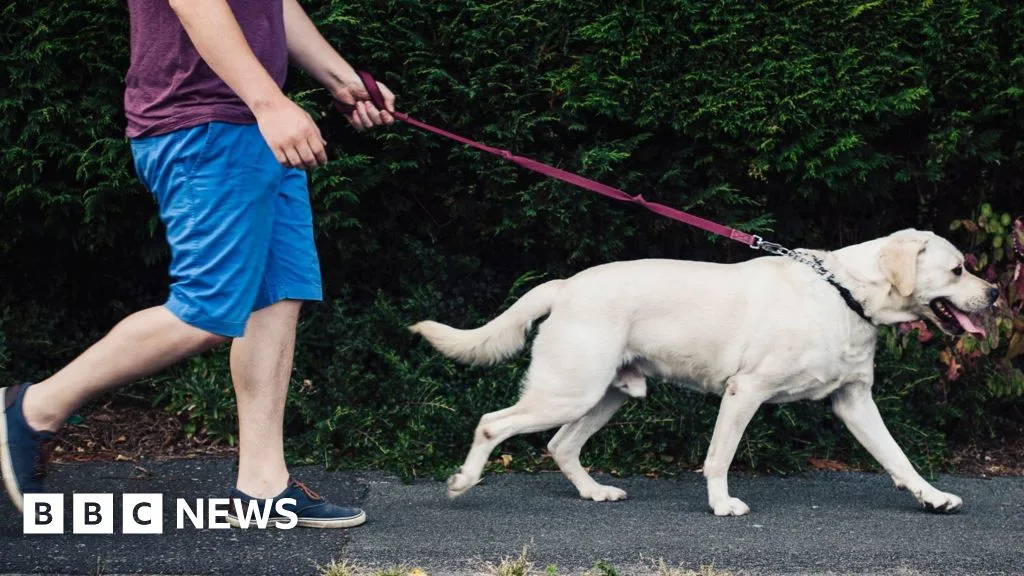
The UK government has confirmed it will not introduce a dog ownership licensing scheme, rejecting a recommendation from an expert panel that proposed new legal requirements for dog owners. The decision was announced after the publication of the Responsible Dog Ownership Taskforce report on Thursday, which highlighted rising dog bite incidents and changing pet ownership patterns.
The report, drawn up by an animal expert panel, recommended 20 steps to improve dog control and reduce the risk of attacks. However, the panel did not reach consensus on the right form of rules. The taskforce stressed that any new regulation should aim to improve dog control, lower the risk of bites, and not burden owners who are already responsible.
A spokesperson for the Department for Environment said the report was welcomed and ministers are considering its recommendations. "However, we will not introduce a new dog licensing scheme," the spokesperson said. This stance closes off the possibility of reviving the licence that was in force until 1987 in England, Wales, and Scotland, which was scrapped because its operating costs exceeded the revenue collected.
The Dog Control Coalition, made up of the RSPCA, Battersea Dogs & Cats Home, and the Royal Kennel Club, supports the recommendations. They urged the government to act quickly. "Dog bite incidents continue to have serious consequences for people and dogs, and the time that has passed since the publication of The Middlesex Report in 2021 makes progress very urgent," a coalition spokesperson said.
The taskforce was set up in 2022 following a series of high-profile dog attacks. The report noted a surge in pet ownership during the Covid-19 pandemic, when access to support services was harder. "This left less experienced owners struggling to access services and get help," the report said. By comparison, in France owners of the most dangerous dogs must have a special permit that includes training and a behavioural assessment, while Switzerland once required a knowledge and practical test, though this has now been scrapped.
The report indicated that a majority of taskforce members support legal requirements for dog owners, but the form still needs careful consideration. "Any legal requirement must carefully consider its purpose and not appear as a tax on responsible dog owners," the report said. Options proposed include a scheme focused on high-risk dogs, owner background checks, and knowledge tests for prospective owners.
"In recent years, we have seen a worrying increase in dog attacks, alongside changing patterns of dog ownership," Environment Minister Baroness Hayman of Ullock said in the report's foreword.
She called the taskforce report an important and timely contribution, adding that ministers are considering the recommendations alongside a broader work programme. Dogs Trust and the RSPCA have commissioned research on the costs and benefits of various systems, with results expected later this year.
For Indonesia, this development mirrors how developed countries are grappling with regulation of rapidly growing pet ownership. Indonesia itself does not yet have a comprehensive national framework for dog control, and rabies dog bite cases remain a public health problem in a number of regions. The UK policy of rejecting a universal licence while opening the option of risk-based regulation can be a lesson: an overly administrative approach risks being ineffective, while targeted intervention on high-risk owners and dogs may be more relevant.
Going forward, the question is whether the UK government will actually adopt recommendations such as knowledge tests or background checks, or simply leave the status quo in place. Without concrete action, the surge in bite incidents already recorded since 2011 could continue, and public pressure on the government will only grow.