Inactive Pekalongan Regent Fadia Arafiq Faces 5-Year Prison Term and Rp250 Million Fine from KPK
Baca dalam 60 detik
- Jaksa Penuntut Umum KPK menuntut Bupati Pekalongan nonaktif Fadia Arafiq dengan pidana lima tahun penjara dan denda Rp250 juta.
- Tuntutan ini menandai babak baru penegakan hukum terhadap kepala daerah dalam kasus dugaan korupsi pengadaan barang dan jasa.
- Jika putusan nanti mengabulkan tuntutan, Fadia berpotensi kehilangan jabatannya secara permanen dan menjadi preseden bagi kasus serupa.
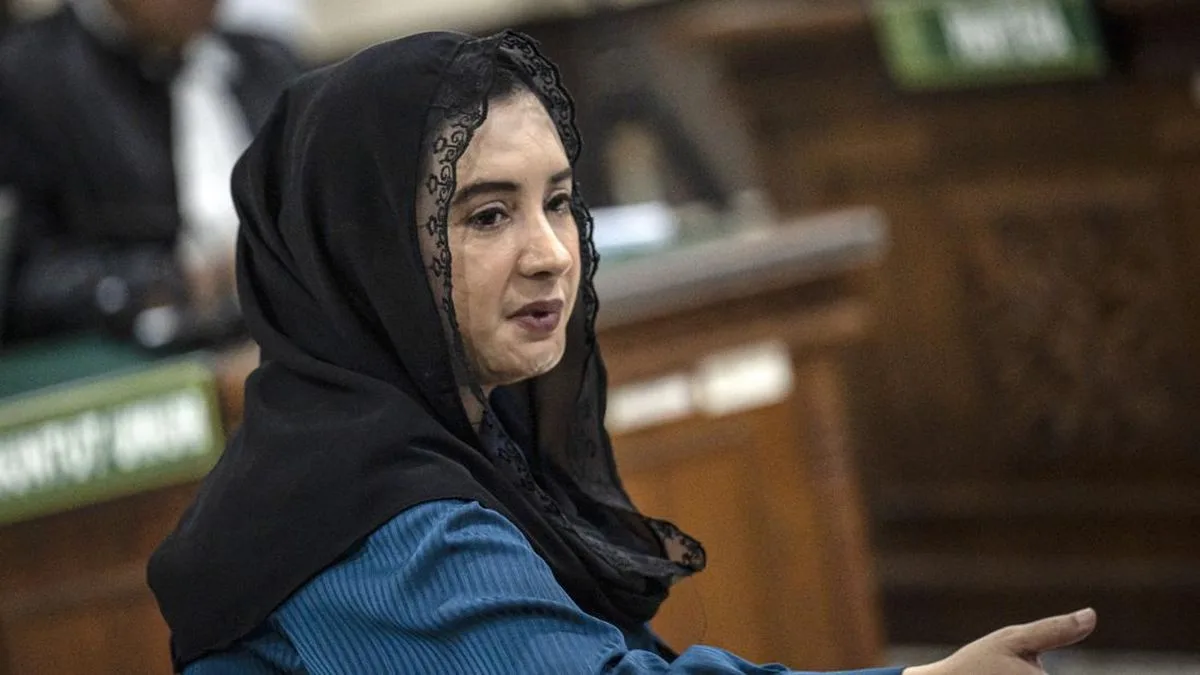
The Public Prosecutor's Office of the Corruption Eradication Commission (KPK) has demanded a five-year prison sentence and a Rp250 million fine for inactive Pekalongan Regent Fadia Arafiq. The demand was read out at a hearing at the Semarang Corruption Court (Tipikor) on Thursday (24/9/2026).
The case against Fadia concerns alleged corruption in the procurement of goods and services within the Pekalongan Regency Government. KPK prosecutors argue that the defendant's actions meet the elements of unlawfulness and unlawfully enriching herself or others. In addition to the prison term and fine, prosecutors also demanded that Fadia pay restitution for state losses. If unpaid, her assets may be seized and auctioned to cover those losses.
Fadia Arafiq previously served as Pekalongan Regent for the 2021–2026 period. She was suspended after being named a suspect by the KPK. The suspension was carried out so that the legal process would not be disrupted and government operations could continue. Nevertheless, inactive status does not remove her authority as the definitive regional head until a final and binding ruling is issued.
The case has drawn attention because it adds to the long list of regional heads entangled in corruption. In recent years, the KPK has indeed aggressively pursued regional officials involved in goods and services procurement. The modus operandi varies, from price mark-ups and fictitious projects to bribes to state officials. Goods and services procurement often becomes a loophole because of its large value and frequently weak oversight.
According to constitutional law observers, the demand against Fadia sends a message that there is no immunity for regional heads who abuse their authority. "This is a test of the consistency of law enforcement. The public will see whether this demand leads to a commensurate verdict," said a public policy analyst monitoring the trial. He added that transparency in regional budgets is key to preventing corruption in the future.
From a local political standpoint, the demand could heat up dynamics ahead of the simultaneous regional elections. Pekalongan Regency is projected to be one of the areas with fierce contests. An interim replacement figure will be appointed to fill the leadership vacuum if Fadia is found guilty and does not appeal. Her supporting political parties must also prepare for the electoral impact.
For the people of Pekalongan, this legal process is a mirror of how public money is accounted for. They hope the case will not merely provide courtroom spectacle but also drive improvements in governance. Oversight by the DPRD and civil society needs to be strengthened so that development projects truly have an impact on welfare.
The KPK itself has reaffirmed its commitment to see this case through to a final and binding ruling. A KPK spokesperson stated that the agency respects the judicial process and will continue to monitor it. Meanwhile, Fadia's legal team has not yet issued an official statement regarding the demand. They still have the opportunity to present their defense at the next hearing.
If the panel of judges grants the prosecutors' demand, Fadia will become one of the regional heads heavily punished in a corruption case. However, the road is still long. The plea hearing and final verdict will determine her political fate. The public awaits whether the verdict will be lighter, the same, or even heavier than the demand. What is clear is that this case serves as an alarm for every regional official not to play games with the state budget.