US Senators Question Trump Circle's Role in Adani Case Dismissal
Baca dalam 60 detik
- Dua senator Demokrat menuntut penjelasan Jaksa Agung Todd Blanche atas pembatalan kasus suap dan penipuan terhadap Gautam Adani.
- Penyelidikan mengungkap tawaran investasi US$10 miliar Adani ke AS dan dugaan keterlibatan orang dekat Trump dalam proses hukum.
- Batas waktu tanggapan 5 Oktober menjadi ujian transparansi DOJ di tengah sorotan politisasi penegakan hukum.
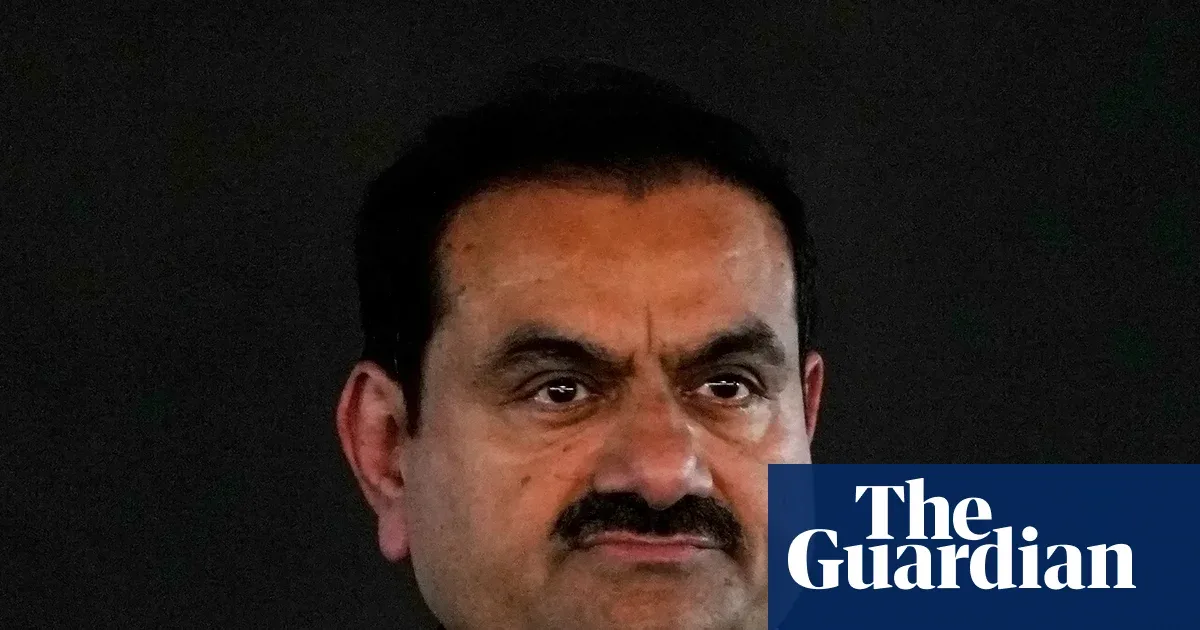
Two Democratic US senators, Elizabeth Warren and Richard Blumenthal, are again pressing the Department of Justice (DOJ) to explain the dismissal of bribery and fraud charges against Indian billionaire Gautam Adani. In a letter sent Wednesday (24/9) to Attorney General Todd Blanche, they questioned whether people close to President Donald Trump were involved in the decision.
The case came to the fore after a report by The New York Times revealed that Adani, represented by one of Trump's personal lawyers, expressed willingness to pour US$10 billion in investment into the US as an effort to resolve the criminal case. The federal judge handling the case stressed that the investment did not influence the DOJ's decision, but the transaction still fueled suspicion of a quid pro quo between business interests and the legal process.
Adani was indicted in 2024 in New York for allegedly being involved in a bribery and fraud scheme by paying Indian officials to secure contracts for one of his companies. He denies all charges. In May, prosecutors suddenly filed a motion to drop the case after Adani replaced his legal team with a firm led by Robert Giuffra Jr and put forward the investment offer. A federal judge in New York approved the request in August, while highlighting "oddities" in a decision he called "very unusual".
This latest letter is the second time Warren and Blumenthal have pressed Blanche. In June, they sent a similar request but received no response. Since then, several new facts have emerged, including the allegation that Boris Epshteyn, a member of Trump's personal legal team who is also an informal adviser, helped Adani. Another report said Donald Trump Jr met Adani in November 2025, before the case was dropped. A spokesperson for Trump Jr denied the meeting was related to the DOJ's actions, while a representative for Epshteyn said his client was never employed by Adani or the Adani Group.
In their letter, the two senators demanded details of the investment offer, including a list of DOJ employees present when the offer was made, its terms, and the time and location. They also questioned whether DOJ employees knew of Epshteyn's role and whether there was contact between Trump Jr or his representatives and DOJ officials regarding Adani. "We are also concerned about the involvement of two personal lawyers of President Trump in this case, and the extent to which it reveals political influence and special treatment for insiders with connections at the DOJ," they wrote.
"These new details continue to raise concerns about the DOJ's judgment, and the extent to which the DOJ is willing and able to prosecute white-collar criminals under President Trump."
— Elizabeth Warren and Richard Blumenthal, in a letter to Attorney General Todd Blanche
The Adani case is the latest example of a series of criminal cases prosecutors have sought to drop in the Trump era, raising questions about the independence of law enforcement. Federal judges have previously also voiced surprise at similar requests in a number of cases. For Indonesia, this development is worth watching because Adani Group has a track record of investment in the country's energy and infrastructure sectors, including port and power plant projects. Legal uncertainty in the US could affect the global investment climate and risk perceptions of conglomerates expanding in emerging markets.
If the DOJ fails to provide an adequate explanation before 5 October, political pressure is expected to increase ahead of the campaign season. The public and investors will wait to see whether US law enforcement institutions can keep their distance from political interests, or instead deepen the precedent that political connections can be a negotiating tool in the courtroom.