Right-Wing Activist Arrested After Damaging Migrant Boat in English Channel
Baca dalam 60 detik
- Daniel Thomas, aktivis anti-imigran, ditahan polisi Inggris karena diduga merusak perahu karet di Selat Inggris yang membahayakan nyawa penumpang.
- Aksi perusakan direkam sendiri oleh Thomas dan diunggah ke YouTube, memicu penyelidikan cepat serta tuduhan pelanggaran undang-undang maritim.
- Penangkapan ini menyoroti meningkatnya ketegangan sosial di Eropa terkait isu migrasi, dengan implikasi bagi kebijakan pengungsi dan keamanan regional.
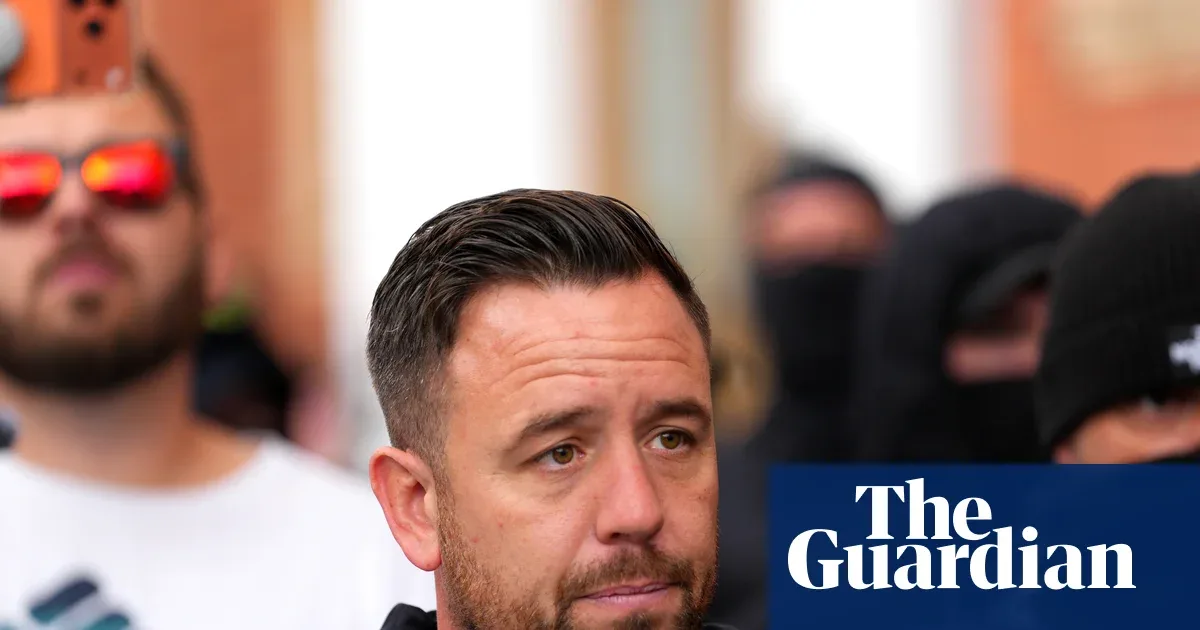
Daniel Thomas, a right-wing figure and anti-migrant activist from the UK, was arrested by police on Wednesday night (23/9) on suspicion of criminal damage endangering life. The arrest came two days after he filmed himself slashing the hull of a rubber dinghy in the middle of the English Channel while a rescuer was on board.
Hampshire and Isle of Wight Constabulary said the 37-year-old man of no fixed address was detained on suspicion of breaching Section 11 of the Aviation and Maritime Security Act 1990 concerning the destruction of a ship or fixed platform and endangering its safety. In addition, Thomas was also charged with criminal damage, criminal damage with intent to endanger life, and acts endangering a ship, structure, or individual under Section 58 of the Merchant Shipping Act 1995.
In a video uploaded to his YouTube channel, Thomas—better known as Danny Tommo—is seen filming his own arrest, which appears to have taken place in a garage. A police officer tells him he is "involved in criminal damage recklessly endangering someone's life." Thomas responds calmly, "I understand. I knew this was going to happen."
Throughout this summer, Thomas has coordinated dozens of nationalist protest groups under the Patriot Platform banner. He was also behind anti-immigration demonstrations by masked men in Dover and Portsmouth earlier this month. Those actions add to a long list of social tensions in the UK over migration policy and the handling of refugees crossing the English Channel.
The boat damage incident is not merely an ordinary crime. The damaged rubber dinghy is believed to have been used by migrants attempting to cross from France to the UK, a route that has long been a dangerous passage for asylum seekers. Thomas's actions not only threatened the lives of the boat's passengers but also had the potential to disrupt rescue operations carried out by maritime authorities. Police stressed that the act could be categorized as a serious crime threatening public safety at sea.
"I understand. I knew this was going to happen," Thomas said when arrested, as recorded in the video uploaded to YouTube.
The case has sparked a broader debate about how European countries, including the UK, handle the continuing rise in migration. Right-wing groups often use this issue to build an anti-immigrant narrative and strengthen their support base. However, vigilante actions such as Thomas's risk causing loss of life and worsening the humanitarian situation.
Indonesian Context
Although this incident took place in the UK, its impact could be felt as far as Indonesia. Migration and refugee issues are often sensitive topics in international relations, especially for countries that serve as transit points such as Indonesia. Tensions in Europe can influence global policy on refugees, including aid funding allocations and cross-border cooperation. For Indonesia, which often serves as a transit route for asylum seekers from South Asia and the Middle East, this development is a reminder of the importance of a human rights-based approach in handling migration. In addition, extremist actions such as Thomas's could inspire similar groups in various parts of the world, including Southeast Asia, and therefore need to be watched by security authorities.
Thomas's arrest also highlights the importance of firm law enforcement against actions that endanger life, regardless of political motive. The UK government is under pressure to show that it does not tolerate violence against migrants, while also maintaining social stability amid rising political polarization. Meanwhile, nationalist groups are expected to continue using this incident as a mobilization tool, potentially triggering retaliation or larger demonstrations.
Going forward, the key question is whether this law enforcement will be enough to curb vigilante actions against migrants, or whether it will instead trigger an escalation of broader social conflict. How the UK government balances law enforcement, humane migration policy, and maintaining national security will be a test in itself. For the international community, including Indonesia, this case serves as a mirror of the dangers of extremism and the importance of global solidarity in protecting vulnerable groups.