Luxury Cibinong Prison: Regional Chief Speaks Out, Ombudsman Finds Elite Facilities
Baca dalam 60 detik
- Kakanwil Ditjenpas Jawa Barat menyatakan bangunan mewah di Lapas Cibinong adalah rumah dinas pejabat, bukan fasilitas narapidana.
- Ombudsman RI menemukan fasilitas berstandar apartemen saat sidak, memicu pertanyaan tentang pengawasan dan potensi penyalahgunaan.
- Pemerintah membentuk tim verifikasi dan membuka akses media untuk memastikan transparansi serta menindak pelanggaran.
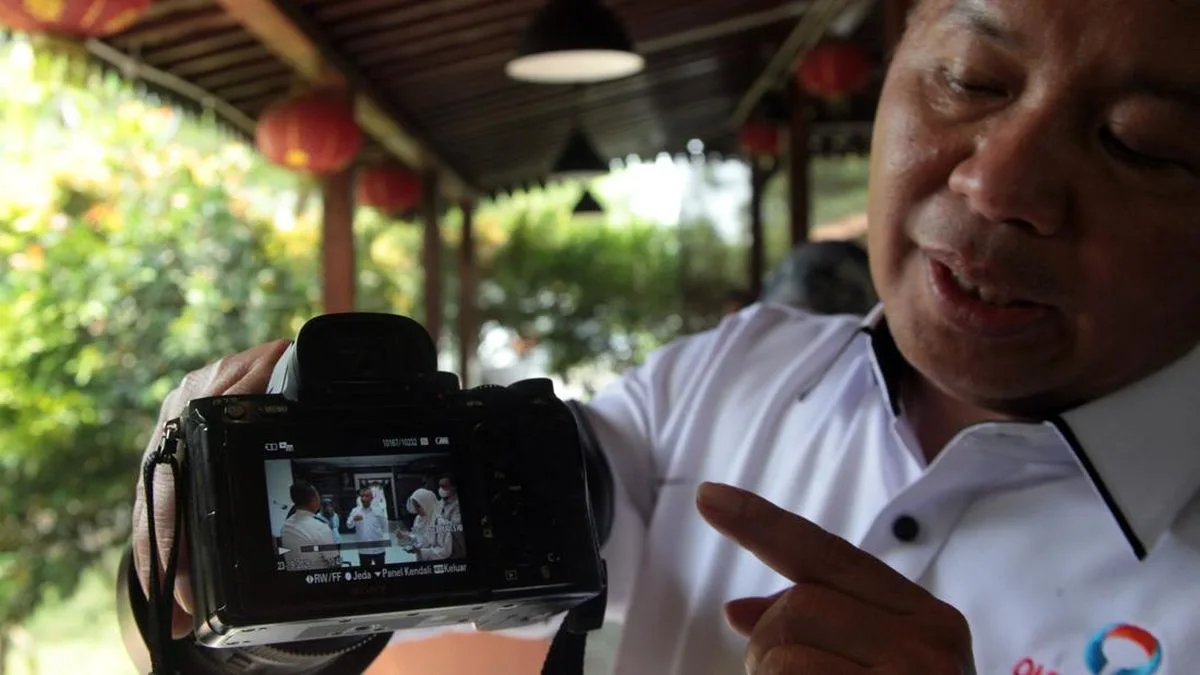
The Head of the West Java Regional Office of the Directorate General of Corrections, Yudi Suseno, has finally spoken out in response to the Ombudsman RI's findings on luxury facilities at the Class IIA Cibinong Prison in Bogor. He stressed that the buildings visited by the Ombudsman team were official residences located within the Assimilation and Education Facility (SAE) area, not facilities reserved for certain inmates.
"The location in question is the assimilation area, where there are several official residences that have appointment letters," Yudi said, as quoted by detikcom on Thursday (24/9). His statement came after the Ombudsman conducted an unannounced inspection on Wednesday (23/9) and found buildings with apartment-standard facilities.
Even so, Yudi did not deny the possibility of violations. He said the West Java Ditjenpas Regional Office team was looking into the findings and would follow up in accordance with the rules proportionally. "If there is anything improper, we will investigate and act," he added.
The Coordinating Minister for Law, Human Rights, Immigration, and Corrections, Yusril Ihza Mahendra, said he had coordinated with the Minister of Immigration and Corrections. He invited the media to cover the findings directly to ensure transparency. "We want to know whether luxury facilities really exist, and who uses them," Yusril said.
Yusril stressed that if violations by officials or staff were found, the Ministry of Immigration and Corrections would take firm action. He also questioned whether the facilities were meant for staff, for the assimilation of inmates nearing release, or indeed for certain inmates who could pay.
"We will look into the information from the Ombudsman objectively," said Director General of Corrections Mashudi.
The Ditjenpas of the Ministry of Immigration and Corrections formed a team to examine and verify the facilities, infrastructure, administration, and service and security standards at Cibinong Prison. Mashudi stressed that his office was open to external oversight and would act on any proven violations.
This case highlights governance problems in Indonesia's correctional institutions. The Ombudsman's findings could expose privileged practices that undermine the principle of equality in prisons. If proven, this could be a blow to the credibility of a correctional system that should prioritize rehabilitation, not luxury facilities.
Going forward, the public will await the results of the joint team's verification. Is this finding merely the tip of the iceberg of similar practices in other prisons? Strict oversight and transparency are key to restoring public trust.