Former Ombudsman Chief Hery Susanto Faces 5.5-Year Prison Demand in Nickel Governance Bribery Case, Ready to File Defense
Baca dalam 60 detik
- Hery Susanto dituntut pidana penjara 5 tahun 6 bulan, denda Rp300 juta, dan uang pengganti Rp4,15 miliar dalam perkara dugaan suap tata kelola nikel.
- Jaksa menilai eks Ketua Ombudsman itu terbukti melanggar Pasal 12 huruf a juncto Pasal 18 UU Tipikor, sementara tim kuasa hukum menyiapkan pleidoi dan meminta waktu dua pekan.
- Sidang lanjutan dijadwalkan 8 Oktober 2026; vonis nanti akan menjadi ujian bagi kredibilitas pengawasan sektor nikel yang kian strategis bagi ekonomi Indonesia.
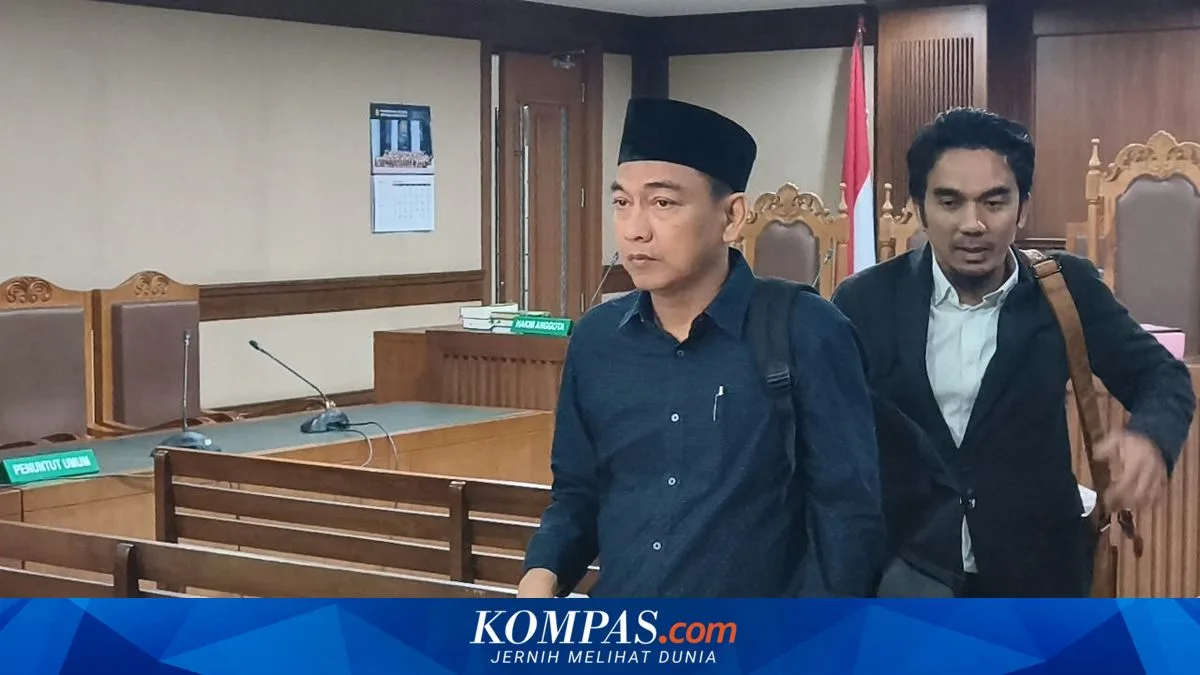
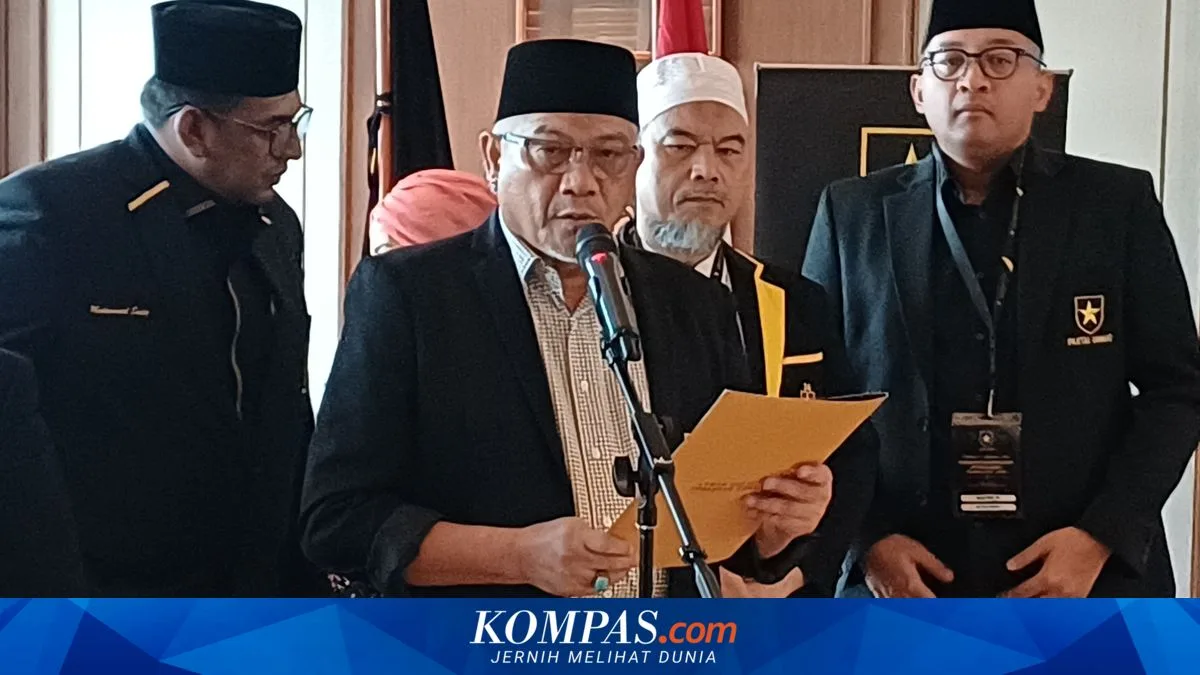
Former Ombudsman Chief Hery Susanto faces a 5-year 6-month prison sentence after the Public Prosecutor's Office (JPU) read out its demand in the alleged bribery case over nickel governance at the Jakarta Central Corruption Court (Tipikor) on Thursday (24/9/2026). In addition to the prison term, prosecutors are seeking a Rp300 million fine and Rp4.15 billion in restitution. If the restitution is not paid within one month after the verdict becomes legally binding, Hery's assets may be seized and auctioned; if his assets are insufficient, he faces an additional 3 years in prison.
During the hearing, Hery's legal team said it would file a memorandum of defense (pleidoi). They requested two weeks to prepare the document, arguing that the prosecutors' demand is lengthy and requires careful review. Presiding Judge Dwi Elyarahma Sulistyowati initially offered a one-week deadline, but ultimately granted the postponement request. Hery was also given the opportunity to present his own defense, both orally and in writing. The next hearing is scheduled for 8 October 2026 with the agenda of delivering the defense.
Prosecutors argue Hery is legally and convincingly proven to have committed corruption as stipulated in Article 12 letter a juncto Article 18 of Law No. 31 of 1999 as amended by Law No. 20 of 2001, along with the criminal adjustment provisions in Law No. 1 of 2026. Article 12 letter a of the Corruption Law carries a maximum penalty of life imprisonment or a minimum of 4 years and a maximum of 20 years, plus a fine of at least Rp200 million and at most Rp1 billion. The 5.5-year demand falls at the lower end of the maximum threat, but the size of the restitution indicates prosecutors are pursuing recovery of state losses.
The case has emerged amid public scrutiny of nickel sector governance, which is the backbone of downstreaming. As a public service oversight body, the Ombudsman should be an anti-corruption bulwark, not become embroiled in a bribery vortex. The alleged bribery in nickel governance oversight directly touches the interests of investors, businesses, and communities in mining areas. If oversight officials can be bribed, the risk of unhealthy business practices, irregular permits, and environmental and social harm in mining areas will increase.
"Based on the results just read out by the public prosecutors regarding the demand, we will file a defense," Hery's legal counsel said at the hearing.
For readers in Indonesia, particularly investors and industry players, the course of this case is a barometer of law enforcement in the natural resources sector. Nickel is a strategic commodity that supports the global electric vehicle battery supply chain. Legal uncertainty and potential corruption in licensing and oversight can reduce investor confidence, slow the realization of investment, and ultimately affect state revenue. Conversely, a firm verdict can reinforce the signal that mining governance reform is being taken seriously.
The public is still waiting to see whether Hery's defense will present new arguments to rebut the prosecutors' construction, or instead reinforce the investigation's findings. Equally important is whether the panel of judges will grant the entire demand, including the Rp4.15 billion restitution, or consider other factors in the verdict. The 8 October 2026 hearing will determine the direction, as well as test the commitment to combating corruption in a sector that is increasingly vital to Indonesia's economy.