Iran Slams Canada, US Ultimatum: Peace or Destruction?
Baca dalam 60 detik
- Juru bicara Kementerian Luar Negeri Iran menuduh Perdana Menteri Kanada Mark Carney menutup mata terhadap ancaman agresi AS.
- Menteri Keuangan AS Scott Bessent membeberkan tiga skenario akhir tekanan maksimum terhadap Teheran, termasuk kemungkinan pergolakan internal.
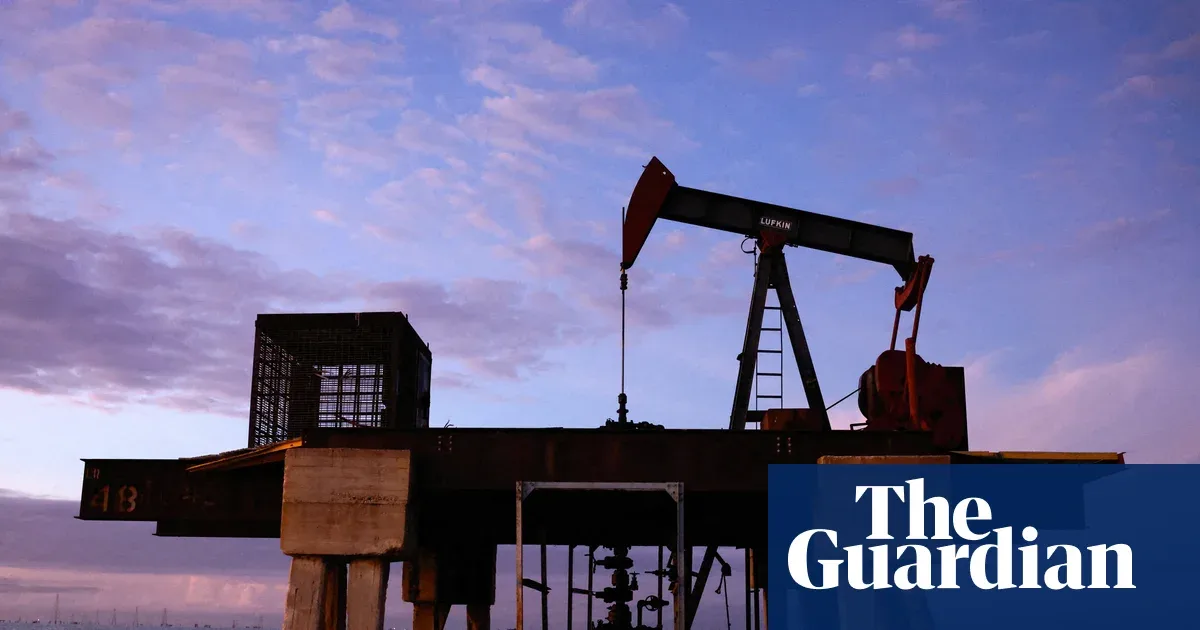
- Ketegangan di Selat Hormuz mengancam pasokan minyak global dan stabilitas ekonomi Indonesia, memicu kekhawatiran kenaikan harga energi.
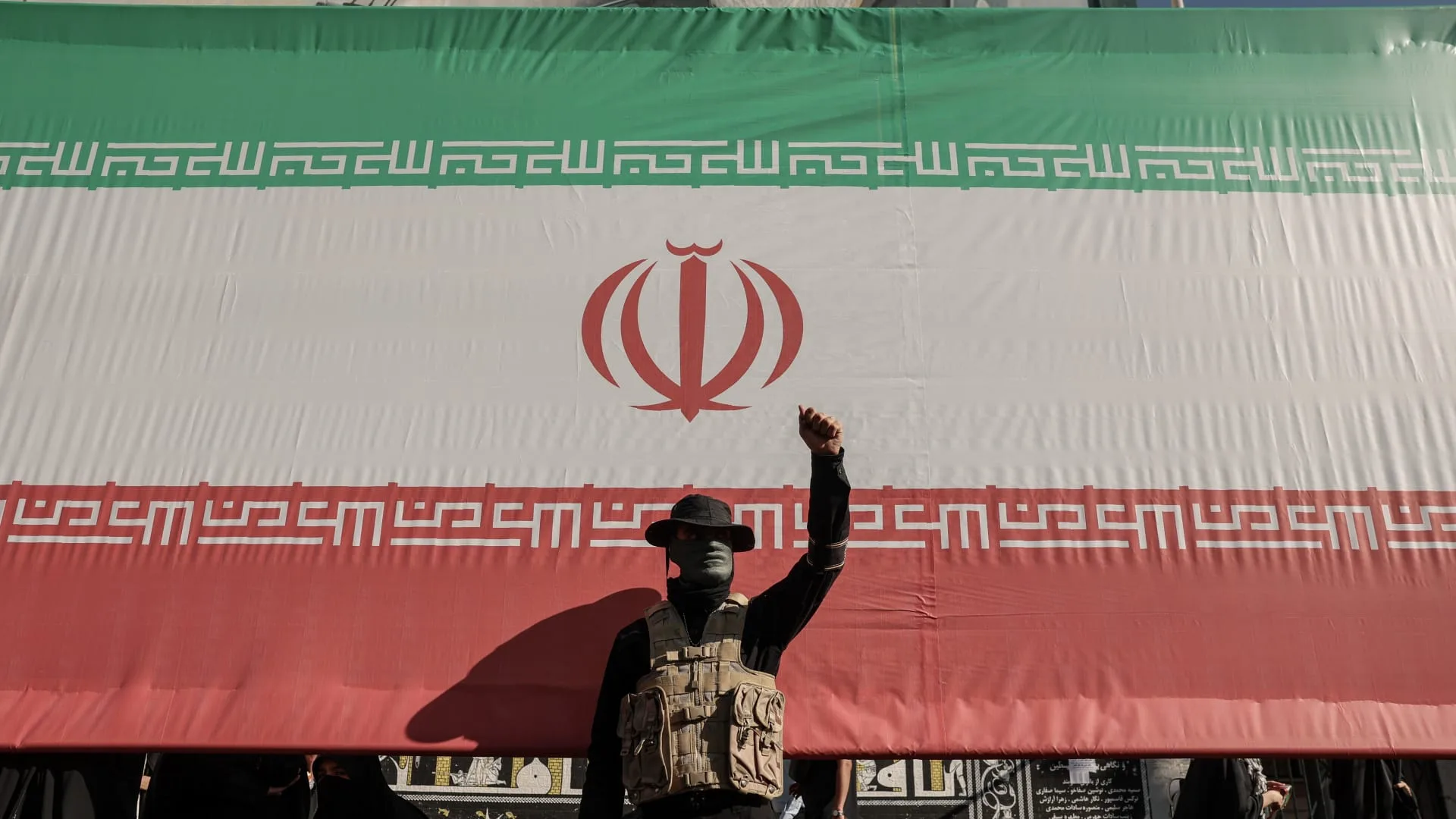
TEHRAN — Iranian Foreign Ministry spokesperson Esmaeil Baqaei sharply criticized Canadian Prime Minister Mark Carney for what he called a failure to condemn US President Donald Trump's threat to destroy the Islamic Republic of Iran. In a post on X, Baqaei accused Carney of choosing to placate Washington by reframing the threat of annihilation as mere war rhetoric.
The criticism came after Carney, in a statement, called Iran one of the greatest threats in the world today and claimed the country poses an existential threat to Israel and its allies. Baqaei stressed that instead of condemning US aggression and war provocation, Carney took an accommodating stance toward Washington. He added that Carney must realize time will not let illusory protection and hypocrisy last forever.
The sharp statement was a direct response to Trump's speech at the UN General Assembly, where he said he had a big decision to make: either reach a deal with Iran or destroy the Islamic Republic, and do it quickly. Iranian President Masoud Pezeshkian also accused the US and Israel of being the source of global instability, and accused them of carrying out illegal attacks on Iranian civilians and infrastructure.
Meanwhile, US Treasury Secretary Scott Bessent outlined three possible outcomes of the Trump administration's maximum pressure strategy on Iran. In an interview with Fox News, he said the end goal could be an Iranian regime at war with itself, the emergence of a popular uprising in Iran, or a deal that Tehran complies with. Bessent also claimed economic pressure has squeezed Iran like never before.
Bessent even threatened to shut down all Iranian airlines starting this week. According to him, if Iranian aircraft land in another country, that country must not provide fuel, landing services, or sell tickets, or it will be cut off from the dollar system. The threat deepens Iran's economic isolation, already battered by years of sanctions.
"Mark Carney must understand that time is too cruel to let illusory protection and hypocrisy last forever. A day will come when those who shelter under the long shadow of American bullying—believing that mimicking the language of the powerful can protect them from the claws of power—will stand naked before the truth." — Esmaeil Baqaei, Iranian Foreign Ministry spokesperson
For Indonesia, the escalation in the Middle East is not merely geopolitical spectacle. As an importer of crude oil and refined products, Indonesia is highly vulnerable to global energy price shocks. Tensions around the Strait of Hormuz—a vital shipping lane for oil tankers—could trigger a surge in world oil prices, which in turn would burden the energy subsidy budget and widen the current account deficit. The government needs to anticipate this chain reaction, from food price inflation to a weakening rupiah.
Moreover, Indonesia's non-aligned position and active push for peace are at stake. If open conflict erupts, Indonesia may face diplomatic pressure to pick a side, while its economic interests with the US and its allies remain significant. The free and active foreign policy will be tested: can Jakarta keep its distance without losing market access and investment?
Going forward, Bessent's three scenarios—internal fracture, uprising, or a deal—form an uncertain road map. What is clear is that US maximum pressure tests not only Iran's resilience but also that of the global economy. Will Indonesia be able to use its strategic position to ease tensions, or will it be dragged deeper into the currents of conflict?