Denny Indrayana: KPU Fails to Prove Gibran's High School Diploma at Constitutional Court Hearing
Baca dalam 60 detik
- Denny Indrayana menilai KPU dan Bawaslu tidak mampu menghadirkan bukti otentik bahwa Gibran Rakabuming Raka menuntaskan pendidikan menengah atas.
- Ia menyoroti verifikasi berkas yang tidak menyambangi Kementerian Pendidikan serta hilangnya risalah pembahasan Pasal 18 ayat 3 PKPU Nomor 19 Tahun 2023.
- Sengketa ini berpotensi mengguncang integritas tahapan pencalonan dan menuntut pembenahan tata kelola verifikasi dokumen calon di masa mendatang.
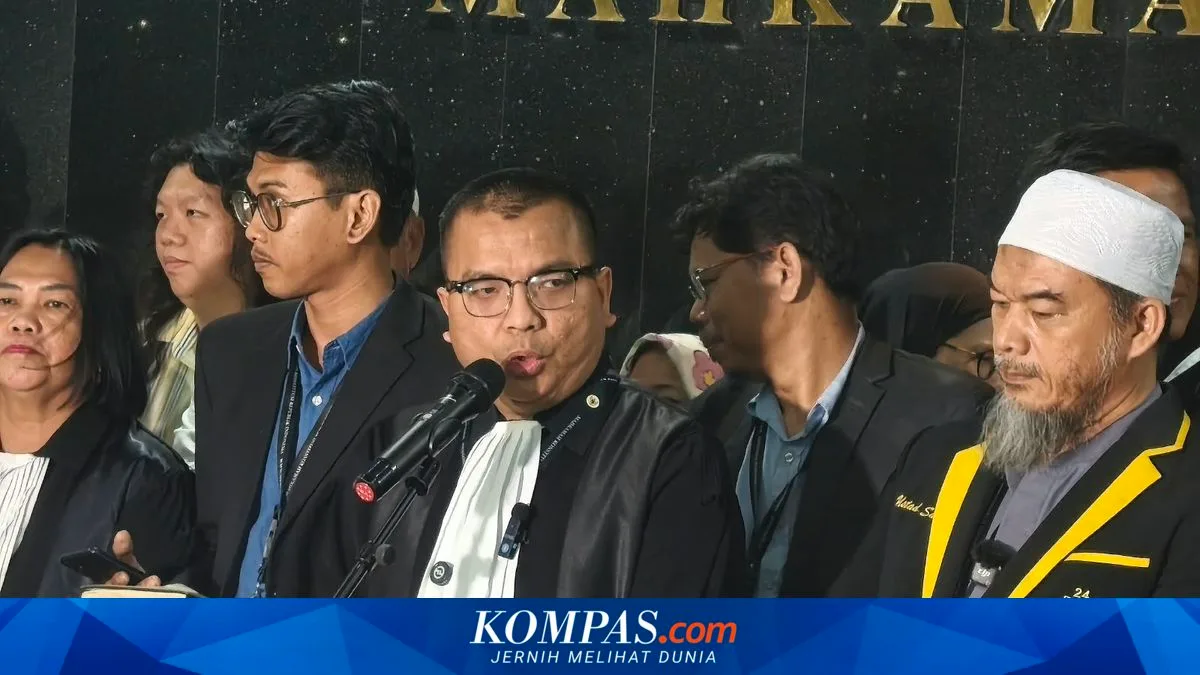
The petitioner in the election result dispute (PHPU) over the candidacy of Gibran Rakabuming Raka, Denny Indrayana, asserted that the General Elections Commission (KPU) never presented valid evidence showing Gibran completed his senior high school education. Denny made the statement at the Constitutional Court Building in Jakarta after a follow-up hearing on Wednesday (23/9/2026).
According to Denny, the only document that surfaced in the hearing was a letter from the ministry, which he said is not equivalent to a certificate of completion. He argued that the requirements for presidential and vice-presidential candidacy should be met through a diploma or an official certificate in accordance with applicable regulations. "There is no proof of completion," he said firmly.
What stood out more, Denny said, was the finding that document verification never touched the authoritative source. Based on the questioning by three constitutional justices—Arsul Sani, Saldi Isra, and Enny Nurbaningsih—neither the KPU nor the Elections Supervisory Agency (Bawaslu) visited the Ministry of Education and Culture to confirm the validity of the document. He called this a serious gap in the candidacy process.
"From the course of the hearings, both the KPU and related parties who could actually represent Gibran, we can conclude there is no proof of high school completion except the letter issued by the ministry," said Denny Indrayana.
Denny also questioned the disappearance of the minutes of the drafting of KPU Regulation (PKPU) No. 19 of 2023, particularly regarding the emergence of Article 18 paragraph 3. Constitutional Justice Saldi Isra had requested the document at a previous hearing. However, none of the parties giving testimony could explain when the article was inserted, who proposed it, and on what basis the formulation was born. The KPU and Bawaslu, according to Denny, only laid out the formal stages without touching the substance.
Given that series of findings, Denny believes there was something amiss in the drafting of the technical regulation for the presidential election. He linked it to concerns once raised by former KPU commissioner Hadar Nafis Gumay about the potential smuggling of an article. "Tonight's hearing confirms what was feared in the testimony of Mr. Hadar Nafis Gumay, that this may be a smuggled article. For whom?" he said firmly.
For the public, this issue is not merely an electoral legal dispute. It touches on trust in the integrity of election organizers and legal certainty over candidacy requirements. If documents fulfilling candidate requirements can pass without layered verification, a bad precedent could recur in the next contest. Investors and market players often treat political stability and the quality of governance as risk considerations, so a signal that the candidacy process is running carelessly can affect perceptions of the business climate.
The KPU has not given an official response to Denny's assessment. The Constitutional Court is still examining the petitioner's arguments, including the validity of the diploma equivalency letter. The court's ruling will not only determine the fate of Gibran's candidacy but also serve as a test of the consistency of election organizers in upholding the rules. Will candidate document verification be fixed in the future, or will it instead become a precedent that formal requirements can be negotiated?