West Java Residents' Taxes Fund Rp1.2 Trillion in Free Education, Governor Dedi Mulyadi: This Is the Spirit of Gotong Royong
Baca dalam 60 detik
- Pemprov Jawa Barat mengalokasikan Rp1,2 triliun dari pajak daerah untuk membiayai berbagai program bantuan pendidikan bagi hampir satu juta siswa.
- Program mencakup pembayaran listrik dan air sekolah, pembangunan ruang kelas, bantuan SPP untuk siswa SMA/SMK, serta bantuan seragam dan iuran bulanan bagi keluarga kurang mampu.
- Gubernur Dedi Mulyadi menegaskan bahwa pendidikan gratis di Jawa Barat merupakan hasil kontribusi wajib pajak, dan mengajak masyarakat terus mendukung pembangunan melalui kepatuhan pajak.
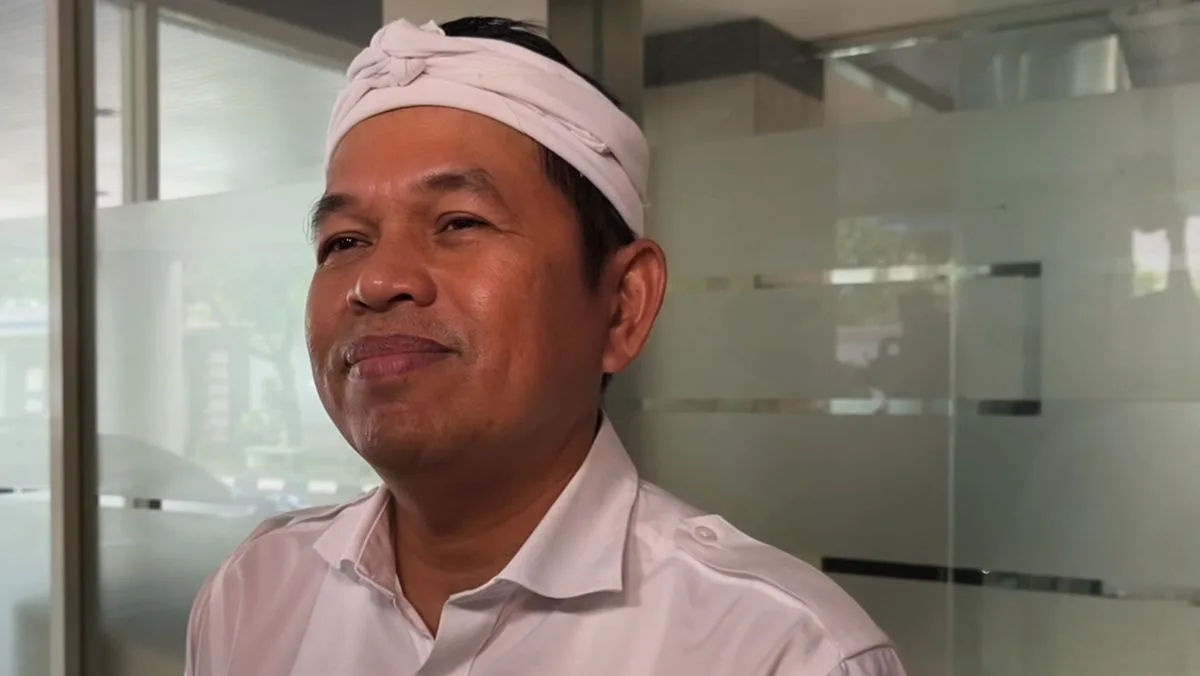
The West Java Provincial Government expressed its gratitude to residents who pay their taxes on time. Thanks to tax revenue, around one million students in the province received education assistance worth a total of Rp1.2 trillion. The assistance is separate from the School Operational Assistance (BOS) fund and teacher certification allowances.
West Java Governor Dedi Mulyadi explained that the funds are used for various school operational needs, such as paying electricity and water bills, building new classrooms, and procuring other supporting facilities. "All of this is funded by West Java residents who pay taxes. So free education in West Java truly comes from the people of West Java," Dedi said in an official statement on Tuesday (22/9).
Beyond infrastructure and operational spending, the West Java provincial government launched the Partner Private School (SSK) program, which targets 31,663 students at private senior high schools (SMA) and vocational high schools (SMK). They are students who were not accommodated in public schools through the New Student Admission System (SPMB). The program ensures that no child loses the opportunity to learn simply because of limited public school capacity.
For 2026, the West Java provincial government has set aside Rp73 billion to cover tuition (SPP) and entrance fees at private schools. Each SMA student receives a tuition subsidy of Rp150,000 per month, while SMK students receive Rp175,000 per month. In addition, private school entrance fees of Rp1.5 million per year per student are also covered by the regional government.
Students from low-income families receive extra attention. A total of 38,887 students receive an assistance package consisting of uniforms, bags, shoes, and books worth Rp1.8 million per child per year, with a total budget from the West Java regional budget (APBD) reaching Rp70 billion. The program aims to ease the burden on parents while encouraging higher school participation.
The West Java provincial government is also anticipating the risk of students dropping out by disbursing Rp70 billion to pay monthly fees for 117,457 students. Each student receives Rp600,000 per year in assistance. The measure is expected to reduce the number of out-of-school children, especially in areas with vulnerable economic conditions.
"All of this is funded by West Java residents who pay taxes. So free education in West Java is made free by the people of West Java," Dedi Mulyadi stressed.
In the national context, regional fiscal policies such as the one implemented in West Java serve as an example of how tax revenue can be allocated directly to public services with visible impact. With the APBD continually pushed toward education spending, the provincial government is seeking to accelerate the achievement of human development targets, in line with the national agenda to improve the quality of human resources.
Going forward, the sustainability of this program depends heavily on taxpayer compliance and regional economic stability. Governor Dedi Mulyadi urged the public to continue supporting West Java's development, particularly in education, by paying taxes diligently. The challenge is ensuring that these large funds are managed transparently and on target, so that every rupiah is truly felt by students in need.