Gowa Waste Crisis: 27 Trucks Parked, Landfill Closed, Residents Bear the Stench
Baca dalam 60 detik
- Sebanyak 27 armada pengangkut sampah DLH Gowa berhenti total karena tagihan BBM ke SPBU belum dilunasi.
- Dua kawasan padat di Somba Opu dan Pallangga jadi titik penumpukan utama setelah pengangkutan terhenti sejak pertengahan September.
- Pemkab Gowa kini berutang sekitar Rp 200 juta untuk satu bulan operasional dan masih menegosiasikan akses TPA Caddika dengan pemilik lahan.
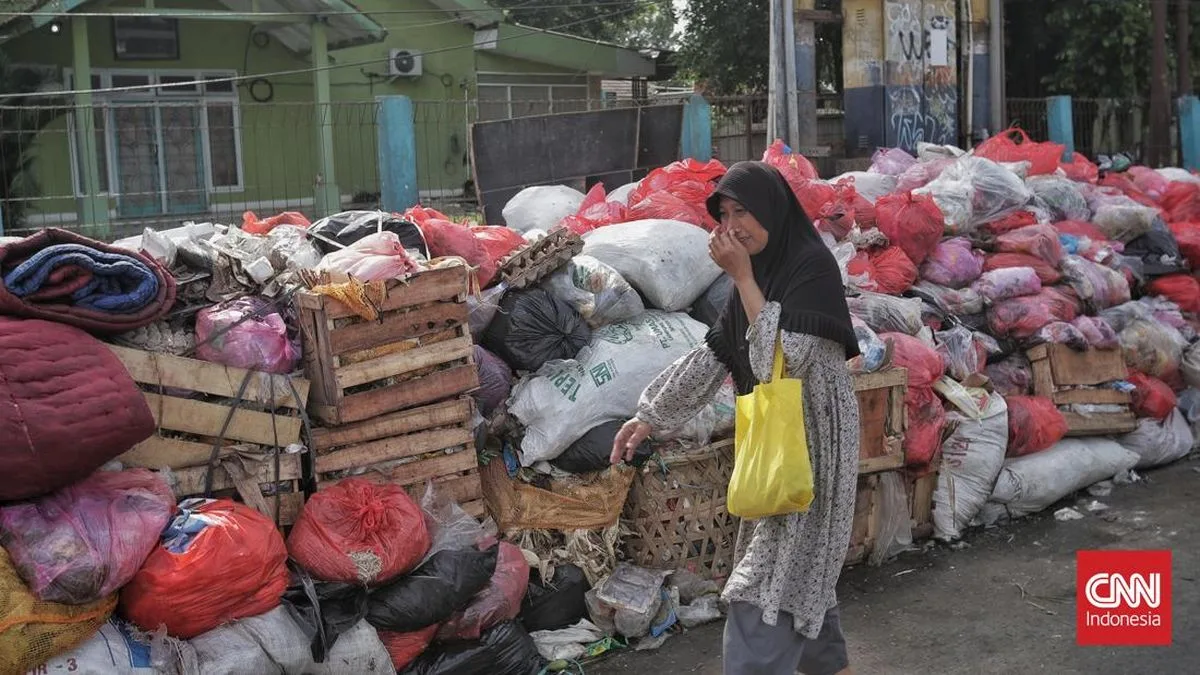
The Environmental Agency (DLH) of Gowa Regency, South Sulawesi, has been unable to operate 27 waste collection vehicles for more than a week after running out of funds to buy fuel. As a result, piles of garbage have mounted along several roads, especially in Somba Opu and Pallangga districts, and have begun disrupting residents' activities.
The head of DLH Gowa, Azhari Azis, acknowledged that the problem was not caused by a shortage of vehicles or a surge in waste volume, but purely by late payment of fuel bills to filling stations. According to him, administrative bottlenecks following a change in the leadership of the regional work unit delayed payment for the 1–31 August period. The filling stations then cut off diesel supply, and the fleet could not move.
Since 16 September, waste collection services in the area have effectively stopped. Yet DLH Gowa normally handles nearly 200 tons of waste per day. That figure is equivalent to the burden of tens of thousands of households that rely on daily sanitation services. When the fleet stops, waste not only piles up at temporary disposal sites but also spills onto roads and public spaces.
To restore services, DLH Gowa has negotiated with filling stations to make payments twice a month. The first installment of Rp 116 million has been disbursed, while the second disbursement is still awaiting the signing of a payment order. However, the total obligation to be settled reaches around Rp 200 million for a full month. That means even if diesel supply resumes, regional fiscal pressure will still hang over operational continuity.
The problem does not stop at fuel. Access to the Caddika Final Disposal Site has been closed by the landowner, who is demanding settlement of land payments. Azhari explained that the roughly 9.7-hectare plot is owned by the regional government and was acquired in 2023–2024. However, claims of ownership persist from local community figures, especially since the site is already filled with waste and road access is also being disputed.
"We will immediately communicate with the landowner and wait for certainty from the finance department. Hopefully we can clear the waste piled on the roads as soon as possible," Azhari said, as quoted from his statement on Wednesday (23/9).
The waste crisis in Gowa exposes weak points in regional waste governance: reliance on administrative payments that are prone to delays, plus land conflicts at the end of the disposal chain. When both nodes fail at the same time, the impact is immediately felt in residential areas. Residents around Somba Opu and Pallangga now face foul odors, disease risks, and disrupted mobility due to garbage piled on roads.
In the Indonesian context, this is not an isolated case. Many regency and city governments rely on routine budgets to pay for fuel, levies, and landfill operations, without a buffer when officials change or land disputes arise. When locally generated revenue does not cover costs, basic services such as waste collection are the first to be affected. Yet waste is a daily matter that cannot be postponed without consequences for public health.
The question is whether the Gowa Regency government will pursue only short-term fixes — paying off the fuel debt and reopening landfill access — or also overhaul the payment mechanism so similar delays do not recur. Without governance improvements, the fleet may be back in operation today, but the same crisis risk will emerge in the next budget cycle.