Ombudsman Blocked Twice During Cibinong Prison Inspection, Finds Paid Luxury Villas
Baca dalam 60 detik
- Tim Ombudsman RI akhirnya menembus Lapas Cibinong setelah dua kali ditolak petugas, meski membawa surat tugas resmi.
- Di dalam, penyidik menemukan kompleks vila berfasilitas lengkap yang diduga disewakan kepada warga binaan dengan tarif tertentu.
- Lembaga pengawas menuntut pembongkaran bangunan dalam sebulan dan mengancam sidak ulang jika tak dipatuhi.
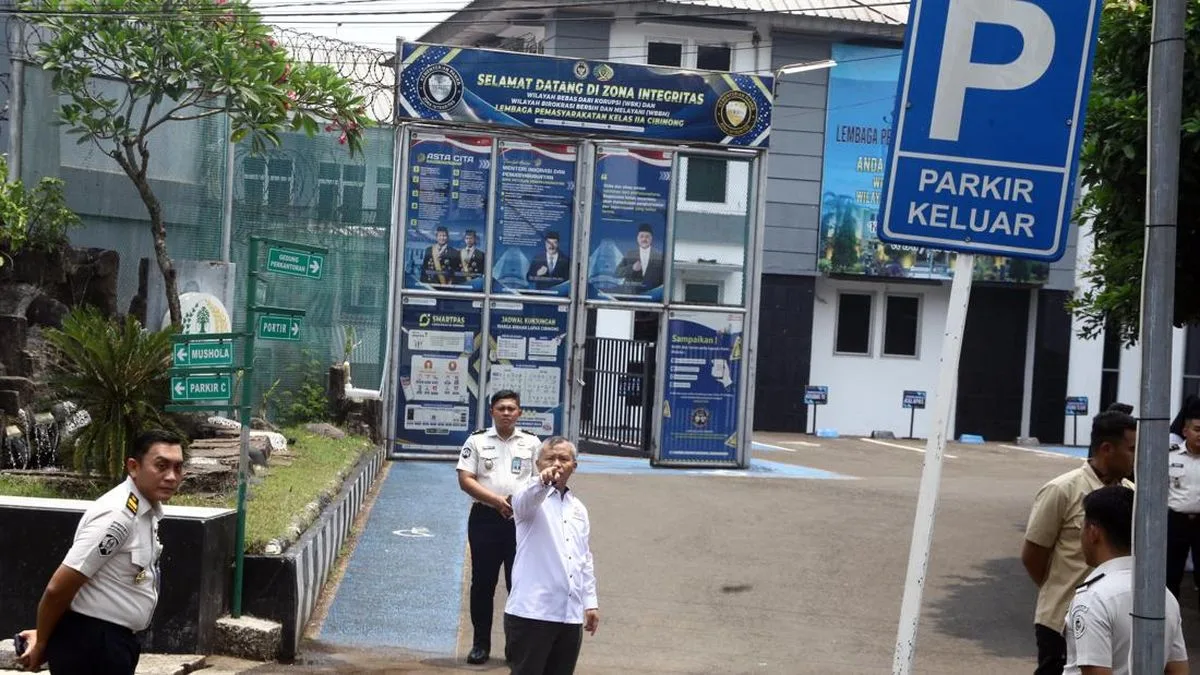
The Ombudsman of the Republic of Indonesia uncovered special privileges at the Class IIA Correctional Facility in Cibinong, Bogor, after the external oversight team was twice blocked from entering by officers. The refusal occurred even though the team carried an official assignment letter, forcing them to argue and push before finally getting through the gate on the second inspection.
Ombudsman member Syafrida Rachmawati called the refusal an anomaly. According to her, surprise visits to several other correctional technical implementation units proceeded without significant obstacles. “This is the second time we were not allowed in,” she said on Wednesday (23/9), describing how closed the prison's management is to independent oversight.
After gaining entry, the team found a scene far removed from the impression of a typical correctional facility. Near the warden's official residence stood several housing units resembling mini villas with complete facilities. Some occupants claimed to be inmates who had to pay a sum of money to occupy the buildings. This finding triggered suspicions of a room-rental practice inside the prison walls.
The facilities found were not merely extra rooms. The team discovered large-screen televisions, air conditioners, fitness equipment, and even liquor bottles inside the rooms. A gym room was even under construction and a shelter for mini golf was planned. The area also had no permanent fence and was directly connected to the surrounding village through bushes and bamboo groves, creating an unsupervised entry and exit gap.
“We will demand it as soon as possible. We will conduct another inspection in perhaps less than a month,” Syafrida said, emphasizing the demolition deadline.
These findings are not merely administrative violations. If inmates did pay to obtain luxury facilities, then a shadow economy exists inside the prison that potentially involves rogue officers. Such a practice threatens the principle of equality in sentencing and opens room for corruption in a correctional sector that has long lacked public oversight.
The Ombudsman plans to compile all findings into a review document and submit it to the Directorate General of Corrections (Ditjenpas) as a basis for corrective action. The demand for demolition within a month becomes the first test for Ditjenpas to show its seriousness in reforming prison governance. If unmet, the Ombudsman signaled it will return for another surprise inspection.
The Cibinong Prison case adds to the long list of problems in Indonesia's correctional institutions, from overcrowding to drug circulation. The difference is that this time the spotlight comes from facilities that should not be enjoyed by inmates. The public now waits to see whether the demolition actually happens or remains a threat without execution. The question is, how deep will the involvement of officers in this clandestine business be investigated?