Minister of Communication and Digital Affairs at the UN: Child Safety Cannot Be Left to AI Algorithms
Baca dalam 60 detik
- Meutya Hafid menegaskan tanggung jawab perlindungan anak di era AI harus dibagi antara pemerintah, platform, industri, orang tua, sekolah, dan komunitas global.
- Sekitar 70 juta anak Indonesia akan tumbuh dalam ekosistem digital yang semakin dipengaruhi kecerdasan buatan, sehingga regulasi tata kelola AI menjadi krusial.
- Posisi Indonesia di forum PBB menandai upaya aktif memasukkan hak anak dalam arsitektur aturan AI global yang sedang dirancang.
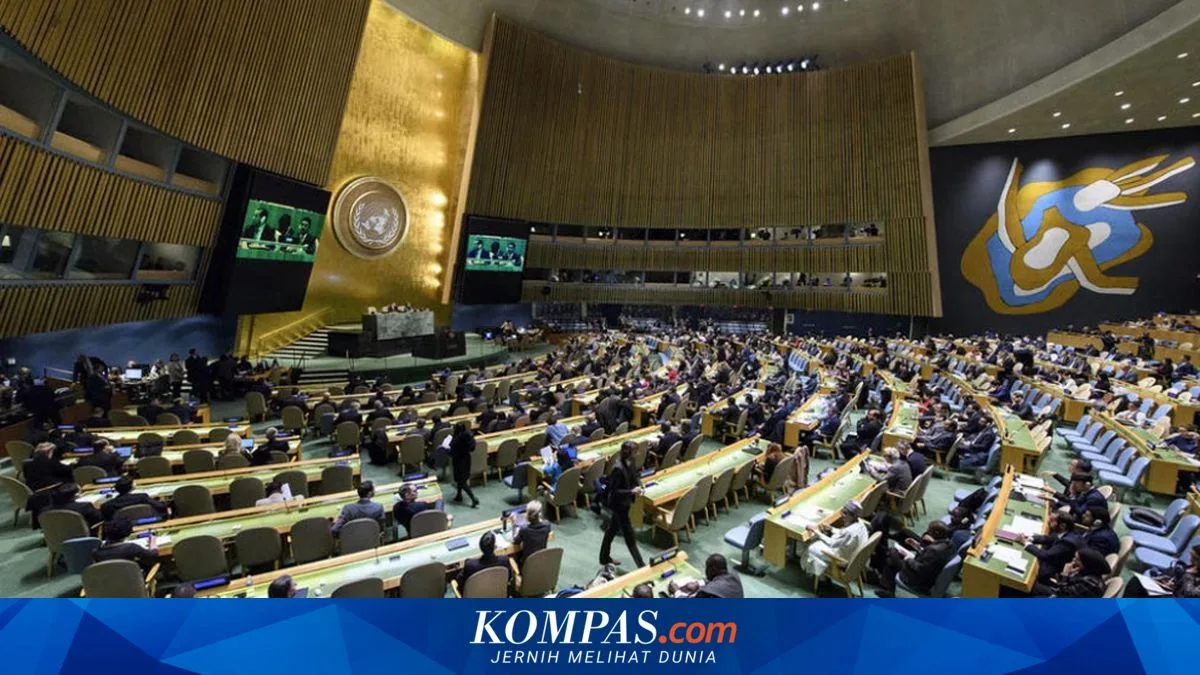
Minister of Communication and Digital Affairs Meutya Hafid brought a firm message to the stage of the 81st UN General Assembly in New York: child safety must not be left to the workings of artificial intelligence algorithms. At a forum themed Protecting Children's Rights Facing Artificial Intelligence, Tuesday (22/9/2026), she stressed that protecting children in the digital space is a layered responsibility that cannot be placed on one party alone.
"We cannot hand over child safety to algorithms. The government, technology platforms, industry, parents, schools, and the international community must each take their own responsibility," Meutya said, as quoted from an official statement.
The statement was not mere diplomatic rhetoric. Indonesia has a direct stake because around 70 million children will grow up and live their lives in a digital ecosystem increasingly influenced by AI. That figure equals nearly a quarter of the national population, making this issue not a matter of the future but a problem of today.
Meutya assessed that AI opens great opportunities for children to learn, create, and access knowledge. But the same technology also raises new risks that cannot be ignored, from exposure to harmful content and algorithmic manipulation to the potential exploitation of personal data. She therefore stressed the importance of ensuring child safety and rights from the outset, not after risks materialize.
"The world is determining the rules of the game for AI. Indonesia wants to ensure children's voices are counted in that process," Meutya said.
The statement reinforces Indonesia's position in the global debate on AI governance. Cross-country cooperation is seen as crucial because AI development unfolds across borders, so rules that are only domestic in nature risk being ineffective. Indonesia is pushing for the formation of an international AI regulatory framework to include the interests and rights of children as an inseparable part.
For readers in Indonesia, especially investors and technology industry players, the signal from this UN forum has direct implications for the direction of domestic policy. Regulation on child protection in the digital space could become one of the main pillars of national AI governance, which will affect how platforms operate, how young users' data is managed, and the compliance standards technology companies must meet. The education sector, consumer services, and the digital content industry will also be affected because they come into direct contact with child users.
In the medium term, companies able to integrate child protection principles into product design and data policy stand to gain a reputational advantage while mitigating regulatory risk. Conversely, platforms that ignore this dimension risk facing public pressure and increasingly strict policy sanctions.
What needs to be watched is that commitments at international forums only become meaningful if translated into concrete legal frameworks and oversight at home. The question is, how quickly can Indonesia turn diplomatic declarations into rules that truly protect children in the digital space?