KPU Admits Foreign Diploma Exemption in 2024 Presidential Election Is a First, Constitutional Court Questions Rule Consistency
Baca dalam 60 detik
- KPU menyatakan pengecualian bukti kelulusan SLTA asing bagi capres-cawapres tidak pernah ada di pemilu presiden sebelumnya.
- Norma itu disebut telah dipakai sejak Pilkada 2020 dan merujuk pada aturan Permendikbud soal legalisasi ijazah asing.
- Hakim MK menilai ada kejanggalan karena aturan itu sudah terbit 10 tahun sebelum Pilpres 2024, tetapi baru diterapkan pada 2024.
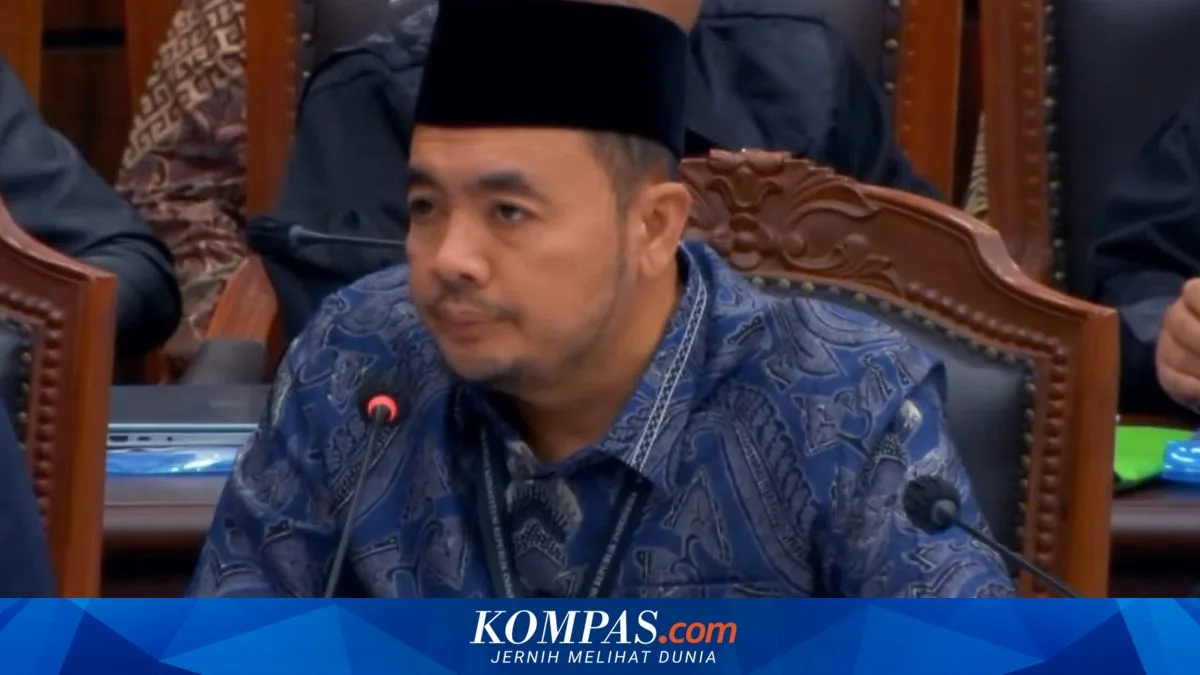
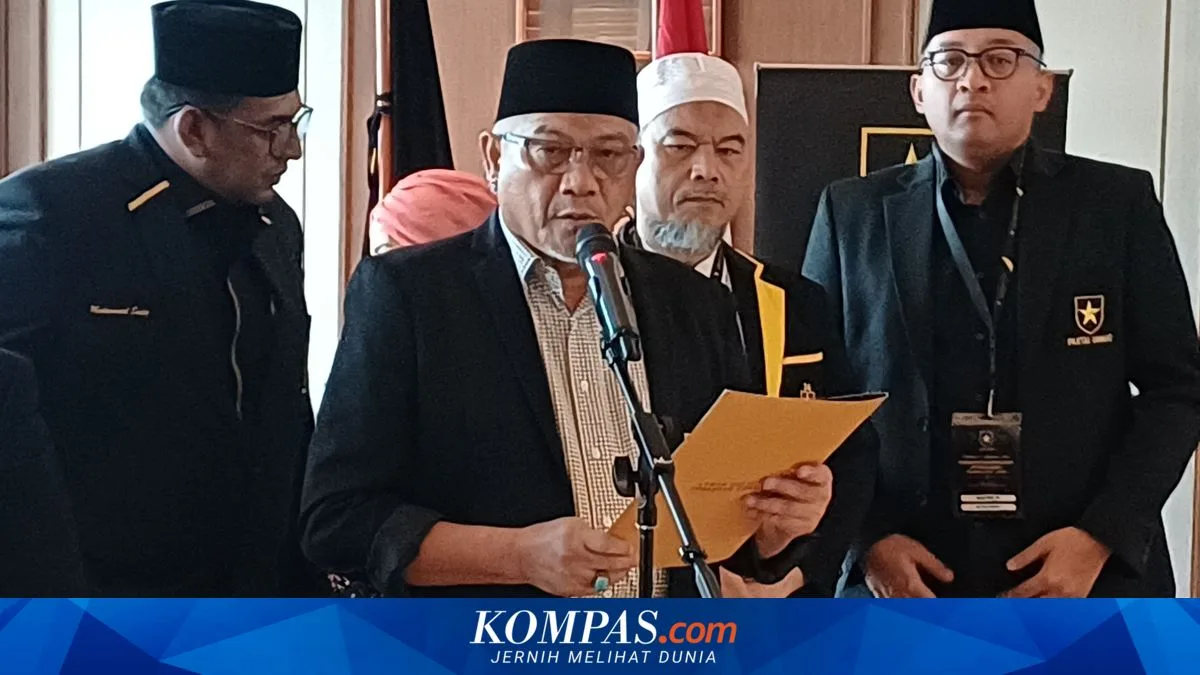
The General Elections Commission (KPU) has admitted that the provision exempting presidential and vice-presidential candidates from the obligation to submit proof of high school graduation from abroad was only applied in the 2024 Presidential Election. The admission was made during the hearing on the general election results dispute (PHPU) Number 01/PHPU.PRES-XXIV/2026 at the Constitutional Court Building, Jakarta, on Wednesday (23/9/2026) evening, which questioned the educational requirement for Gibran Rakabuming Raka as vice-presidential candidate.
KPU Chairman Mochammad Afifuddin stated that the norm was actually not new in regional head elections. He said a similar rule had been used in the 2020 Regional Elections. However, when Constitutional Justice Saldi Isra asked whether similar material had ever been regulated in previous presidential elections, Afifuddin answered briefly: no.
The question arose after Constitutional Justice Enny Nurbaningsih questioned whether the norm in Article 18 paragraph (3) of KPU Regulation 19/2023 was indeed designed for all presidential elections or only specifically for the 2024 Presidential Election. The article exempts proof of high school graduation from foreign schools abroad for prospective candidates who do not have it, provided they have proof of higher education graduation.
KPU member Idham Holik added that the norm is based on Minister of Education and Culture Regulation Number 29 of 2014 on the legalization of foreign diplomas, as well as Minister of Education, Culture, Research, and Technology Regulation Number 6 of 2022 on special equivalence for higher education. According to Idham, the reference was already listed in the KPU Decision on technical guidelines for verifying the registration of prospective regional head candidate pairs in the 2020 Simultaneous Regional Elections.
Justice Saldi Isra then highlighted the wide time gap. Minister of Education and Culture Regulation Number 29 of 2014 was issued about a decade before the 2024 Presidential Election. If the rule had existed for so long, he questioned why the exemption only appeared in the context of the presidential election in 2024, not in previous elections.
"That means it was about 10 years before the 2024 Election, so had material relating to those from abroad also been regulated or not in previous presidential elections?" Saldi asked during the hearing.
The KPU's answer that the rule had never been used in previous presidential elections opens room for interpretation that there was different treatment between the 2024 Presidential Election and earlier elections. This difference became one of the test points in the dispute over Gibran's educational requirement, as he did not pursue secondary education abroad but has a higher education background.
For the public, this issue is not merely about candidacy administration. It concerns the consistency of election organizers in interpreting rules over time. When a norm that has long been available is only activated in one particular election edition, questions about neutrality and legal certainty become difficult to avoid.
From a regulatory standpoint, this case also highlights the importance of harmonization between ministerial rules and KPU regulations. The Minister of Education and Culture Regulation on the legalization of foreign diplomas does regulate the recognition of educational documents from abroad, but its application in the requirements for presidential and vice-presidential candidacy depends on how the KPU translates it into a KPU Regulation. Differences in interpretation at this point can create uncertainty for candidates in the future.
For market participants and the business world, such disputes remain relevant because the stability of the political process affects the investment climate. Legal uncertainty in candidacy rules can create a perception of risk, especially ahead of the next election cycle. Investors usually observe whether election organizers can maintain rule consistency and whether the Constitutional Court's ruling will later clarify, rather than muddy, the interpretation of the norm.
What needs to be watched going forward is whether the Constitutional Court will ask the KPU to revise its regulation so that the foreign diploma exemption is formulated generally for all presidential elections, or leave it as a norm that applies only under certain conditions. If left as is, this precedent could become a reference for other candidates in future elections, while also testing how far the KPU can explain the basis of its policy before the public.