F-35 Stealth Jet Components Allegedly Fall into Chinese Hands, US and Australia Investigate Leak
Baca dalam 60 detik
- Pengiriman suku cadang F-35 dari Australia ke Amerika Serikat dilaporkan dialihkan ke Hong Kong, memicu kekhawatiran kebocoran teknologi siluman.
- Insiden ini menyoroti kerentanan rantai pasok pertahanan dan memperkuat kekhawatiran Kongres atas penjualan F-35 ke Arab Saudi.
- Indonesia perlu mencermati perkembangan ini karena berpotensi memengaruhi keseimbangan alutsista kawasan dan dinamika aliansi di Indo-Pasifik.
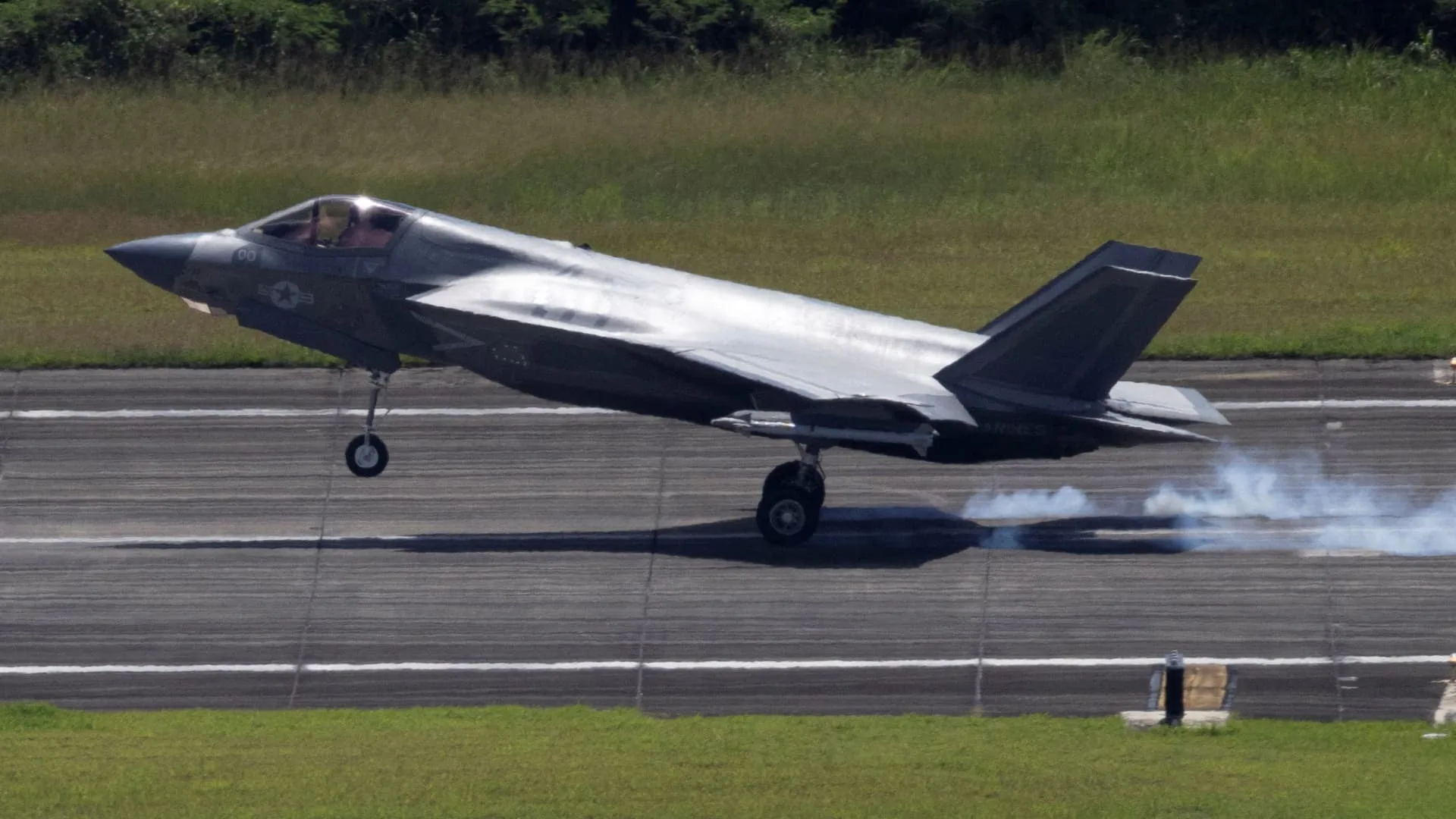
Chinese authorities are reported to possess components of the F-35 stealth fighter jet after a shipment from Australia to the United States was mysteriously diverted to Hong Kong. The incident raises serious questions about the security of the supply chain for Washington's most sensitive military technology.
According to a Bloomberg report citing sources, logistics giant UPS was shipping the F-35's cockpit canopy and weapons bay doors from Australia in late May. Both components are coated with radar-absorbent material that is key to the jet's stealth capability. To date, there has been no explanation for why the shipment was diverted to Hong Kong.
Australian Defence Minister Richard Marles said Canberra is aware of the incident and is coordinating with the United States and Lockheed Martin to investigate. He claimed there were no sensitive components in the missing shipment, although that statement has not been verified by other parties. Lockheed Martin, UPS, and the Pentagon have not provided official responses to requests for confirmation.
This is not the first time F-35 technology has been targeted. In 2024, US federal prosecutors uncovered a number of espionage cases targeting military data related to the jet. Similar concerns resurfaced in Congress after the approval of the US$24 billion F-35 sale to Saudi Arabia. Democratic Representative Raja Krishnamoorthi warned that the US intelligence community assesses the sale could place "the crown jewel of American military technology" within reach of the Chinese Communist Party.
"We are aware of this shipment and are working with the US and Lockheed Martin to see how Canberra can assist the investigation," said Australian Defence Minister Richard Marles.
The F-35 is operated by a number of countries, including Australia, Belgium, and the US, with Japan, Canada, and Singapore as customers. The jet has also been used in the Iran conflict, and one unit was reported damaged by enemy fire. The diversion of components to Hong Kong—a Chinese special administrative region that has the world's busiest cargo port—has sparked speculation about possible interception or negligence in logistics procedures.
For Indonesia, this incident serves as a reminder that the arms race in the Indo-Pacific is not only about fleet numbers, but also about technological mastery and supply chain security. As a country currently modernizing its defense, including through the acquisition of fighter jets and radar systems, Jakarta faces a dilemma between accelerating technology transfer and avoiding dependence on suppliers vulnerable to geopolitical pressure. The leak of F-35 components could tighten US export controls, affecting the price and availability of spare parts for user countries, including in the region.
Going forward, the investigation into this incident will be a test of trust between the US, Australia, and defense industry partners. If negligence or sabotage is proven, Washington may tighten protocols for shipping sensitive components, or even review sales to countries deemed risky. The question is whether this incident will accelerate defense technology self-reliance in Southeast Asia, or instead widen the gap of dependence on Western suppliers?