KPU Denies TST Allegation of Hiding Gibran's Diploma, Calls Petitioner's Opinion Disgraceful
Baca dalam 60 detik
- KPU menepis klaim Denny Indrayana soal upaya terstruktur, sistematis, dan terencana menutupi riwayat pendidikan Gibran Rakabuming Raka.
- Dalam sidang PHPU di MK, kuasa hukum KPU menegaskan syarat pendidikan Gibran telah diverifikasi dan sesuai regulasi, termasuk Permendikbud serta PKPU.
- Sengketa ini berpotensi mengguncang kepercayaan publik terhadap integritas penyelenggara pemilu dan dapat memicu preseden hukum bagi pencalonan berbasis ijazah luar negeri.
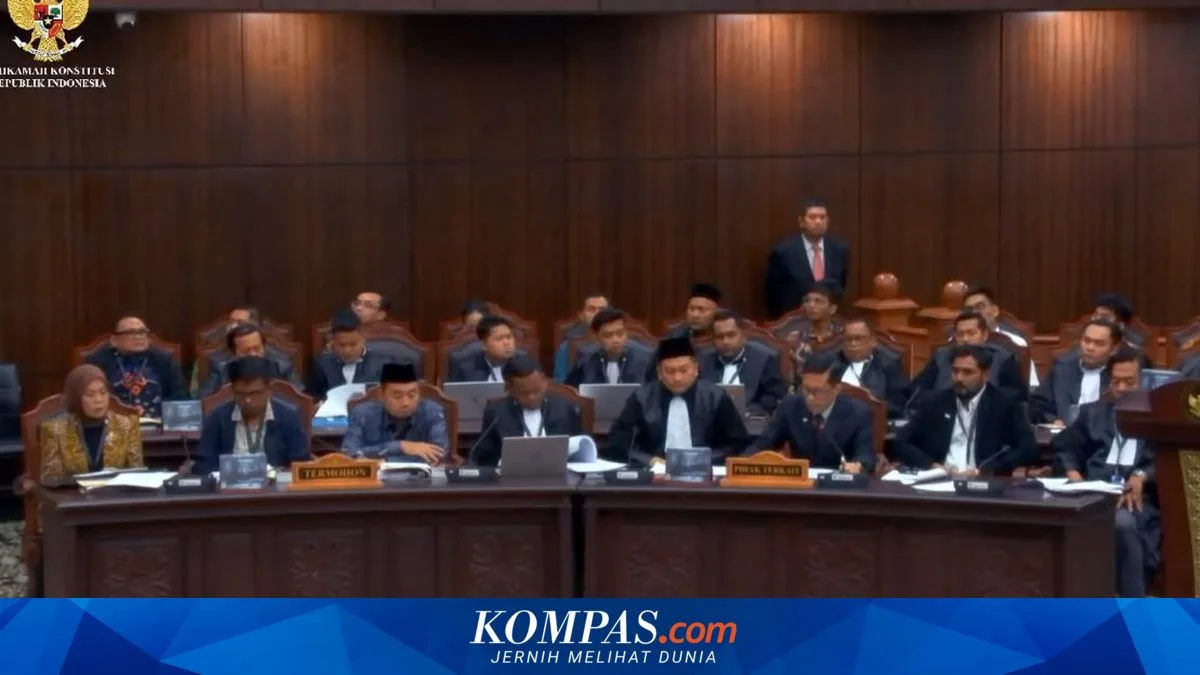
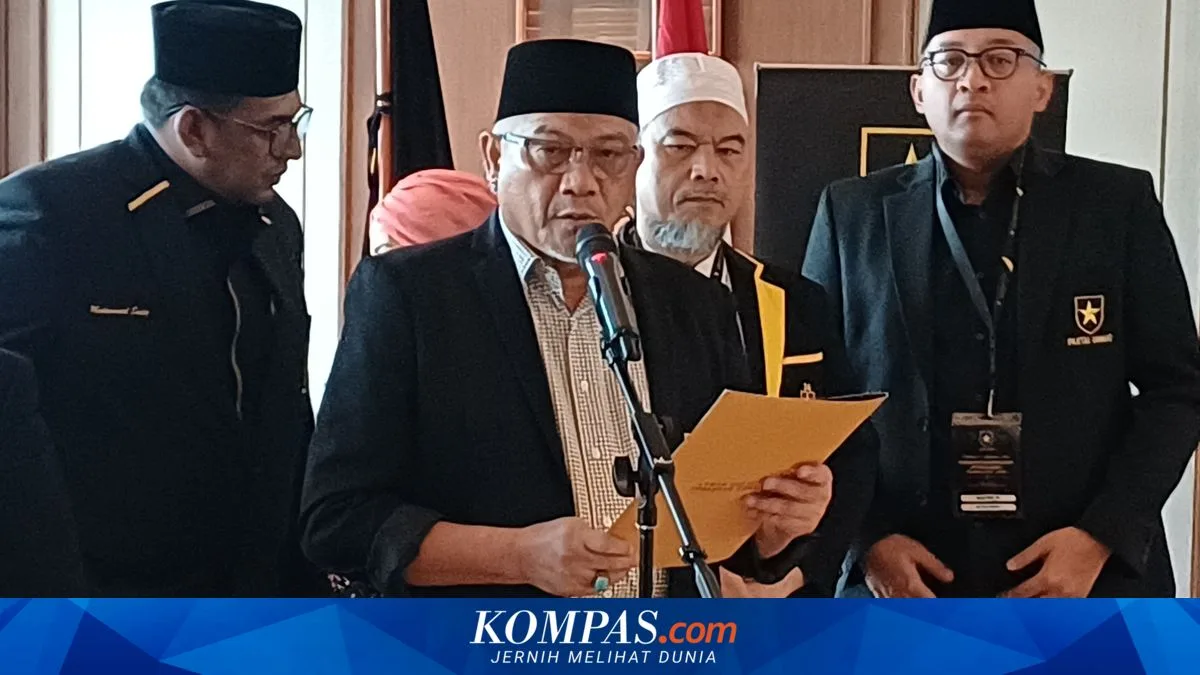
The General Elections Commission (KPU) has firmly denied allegations that it carried out a structured, systematic, and planned effort to conceal information about the education of Gibran Rakabuming Raka as a vice-presidential candidate. The denial was delivered by KPU's legal team during the hearing of the election results dispute (PHPU) Number 01/PHPU.PRES-XXIV/2026 at the Constitutional Court Building, Jakarta, on Wednesday (23/9/2026) evening.
The argument put forward by the petitioner, Denny Indrayana, was deemed unfounded. KPU's legal counsel even described the opinion built by the petitioner as "an opinion that is TST—structured, systematic, and disgraceful." The statement was a counterpunch to the narrative accusing KPU of deliberately obscuring the educational requirement of one candidate in the 2024 Presidential Election.
The petitioner questioned the existence of KPU Decision (KKPU) Number 731 of 2025, which they considered identical to KKPU Number 35 of 2016. According to them, the regulation was designed to conceal data on the candidate pairs. KPU explained that KKPU 731/2025 categorizes proof of graduation—such as photocopies of diplomas, certificates of completion, or other legalized supporting documents—as exempt public information. Educational and graduation data of candidate pairs cannot be accessed by the public before the individuals concerned give written consent. However, KPU stressed that the regulation had been revoked through KKPU Number 807 of 2025.
"The structured, systematic, and planned opinion built by the Petitioners is untrue and can be categorized as an opinion that is TST—structured, systematic, and disgraceful," said KPU's legal counsel during the hearing.
In its defense, KPU stressed that Gibran had met the educational requirement. Gibran's upper-secondary equivalency certificate is considered equivalent to a diploma under Permendikbud 29/2014. In addition, PKPU 19/2023 provides an exemption for candidates who pursued education abroad and have completed higher education. On that basis, KPU argued that the petitioner's argument questioning the educational requirement does not automatically invalidate Gibran's candidacy.
Denny Indrayana and several parties filed the 2024 PHPU lawsuit asking the Constitutional Court to disqualify Gibran for allegedly failing to meet the educational requirement. The lawsuit is a test for the Constitutional Court in upholding election integrity. If granted, the ruling could set a precedent that formal educational requirements—especially for overseas graduates—must be interpreted strictly, with no room for equivalency.
For the Indonesian public, particularly investors and professionals, this dispute is not merely a legal debate. Uncertainty over the validity of a candidacy can affect political stability and the investment climate. Markets tend to avoid unquantifiable political risk. Therefore, a transparent and law-based resolution is crucial to maintaining trust in the democratic process and the continuity of economic policy.
Going forward, the Constitutional Court's ruling will determine whether the practice of recognizing foreign diploma equivalency remains valid in election candidacies. If the rule is struck down, every candidate with an overseas educational background must submit a formally equivalent diploma, without exception. Conversely, if KPU prevails, the existing equivalency mechanism will further entrench the legitimacy of candidacies based on non-formal education. The public awaits whether the Constitutional Court can deliver a decision that is not only legally just but also eases the increasingly heated political tension.