Ombudsman Exposes Paid Luxury Villas at Cibinong Prison: Gym and Minigolf Plans Found
Baca dalam 60 detik
- Ombudsman RI menemukan sejumlah unit hunian bergaya vila lengkap dengan pendingin ruangan, televisi besar, dan alat kebugaran di kompleks Lapas Kelas IIA Cibinong, diduga dihuni narapidana yang membayar.
- Tim pengawas mengaku dihalangi masuk, diawasi lebih dari sepuluh petugas, dan kameranya sempat ditutup saat mendokumentasikan kawasan yang rencananya bakal dilengkapi gym serta lapangan golf mini itu.
- Ombudsman akan mengirim tindakan korektif kepada Menteri Imigrasi dan Pemasyarakatan agar penghuni dikembalikan ke sel dan bangunan mewah dievaluasi, sementara pihak lapas belum memberi tanggapan.
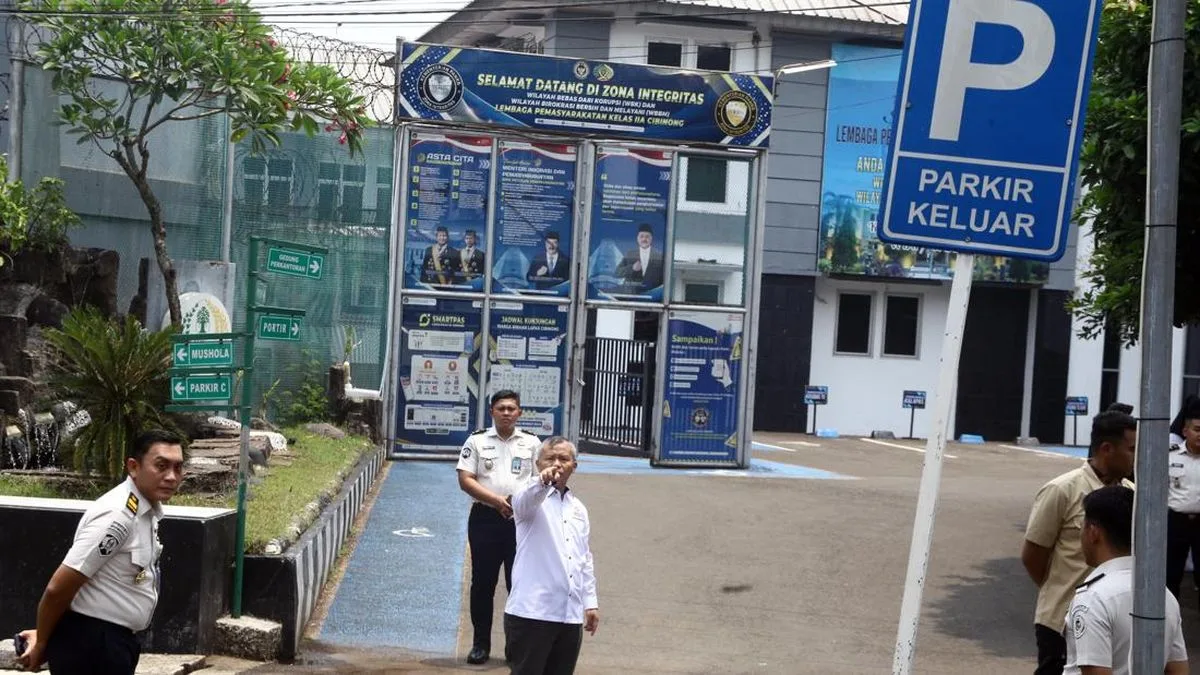
The Ombudsman of the Republic of Indonesia has uncovered a number of villa-style buildings with full facilities in the Lapas Kelas IIA Cibinong area, Pondok Rajeg, Bogor Regency, allegedly occupied by inmates who paid for them. The findings were made during a surprise inspection on Wednesday (23/9) and immediately raised questions about the management of inmate housing within the correctional system.
Ombudsman member Syafrida Rachmawati Rasahan said her team found several row houses resembling mini villas, complete with furniture and electronic devices. "Near that house stood several row houses like mini villas, fully equipped and also occupied by inmates. We interviewed them directly," she said, as quoted from detikJabar reporting.
What made the findings even more striking was that the area is being prepared for additional recreational facilities. According to Syafrida, construction of a fitness room is underway, and there are plans to build a shelter for a mini golf course. A number of luxury items were also found, from large televisions and air conditioners to sports equipment. In one of the air conditioning units, the team even found a bottle of liquor.
From the residents' admissions, the Ombudsman suspects an unofficial rental mechanism inside the prison. Syafrida said one inmate admitted paying money to be able to stay there, although the statement has not been examined further. The findings reinforce suspicions that special treatment in correctional institutions is not only about facilities but also about unequal economic access among inmates.
The problem is compounded because the luxury housing area has no permanent perimeter fence. The area connects directly to the surrounding village through bushes and bamboo groves, opening the possibility of movement in and out without supervision. This condition contradicts the principle of prison security, which should be layered and controlled.
"We have conducted inspections at several prison UPT institutions, and there was no refusal. Why is this one refused? This is the second time."
— Syafrida Rachmawati Rasahan, Member of the Ombudsman of the Republic of Indonesia
The Ombudsman team also complained about obstacles during the inspection. Despite carrying an assignment letter, they were asked to wait for the prison head before being allowed to enter. Ombudsman member Fikri Yasin said more than ten officers monitored and followed the team during the interviews. According to him, some officers even covered the Ombudsman's camera during the documentation process.
When the team asked why residents were in the area, the answers they received were unsatisfactory. Fikri said the prison authorities were unwilling to be open. As of the publication of this news, Lapas Cibinong has not responded to questions about the status of the buildings, the payment practice, or the reason for obstructing the supervisory team.
The Ombudsman stressed it will submit corrective actions to the Minister of Immigration and Corrections. Syafrida asked that the houses be followed up and the inmates returned to their respective cells. The team also urged that the luxury buildings be demolished and evaluated, although there is no clarity yet on the legal status of the housing.
This case highlights a long-standing problem in Indonesian prison governance: capacity exceeding the designed limit, weak supervision, and economic loopholes that allow some inmates to receive different treatment. If the Ombudsman's findings are not followed up seriously, the public risks losing trust in a correctional system that should uphold equality of punishment. The question now is how far the Ministry of Immigration and Corrections dares to dismantle special practices that have become an open secret in a number of prisons.