Global Call: Solar Energy for All by 2030, Can Indonesia Join?
Baca dalam 60 detik
- Surat terbuka yang diteken Bernie Sanders hingga Yeb Saño mendesak akses listrik bersih universal pada akhir dekade.
- Transisi energi dinilai sudah berjalan cepat, tetapi perlu percepatan masif melalui tekanan publik dan investasi.
- Indonesia menghadapi peluang dan tantangan dalam menggeser ketergantungan batu bara menuju energi terbarukan.
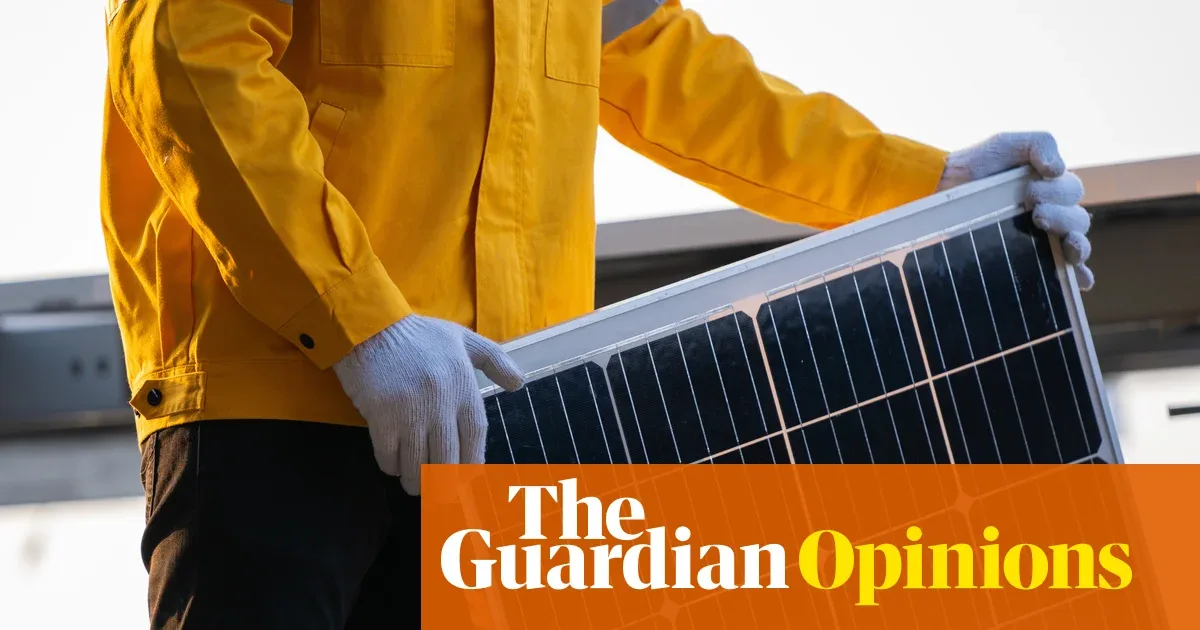
A number of world figures, including US Senator Bernie Sanders and climate activist Yeb Saño, have issued an open letter calling for all people on Earth to have access to clean and affordable electricity by 2030 at the latest. The call was released ahead of the UN General Assembly meeting, highlighting the link between armed conflict, carbon pollution, and the worsening climate crisis.
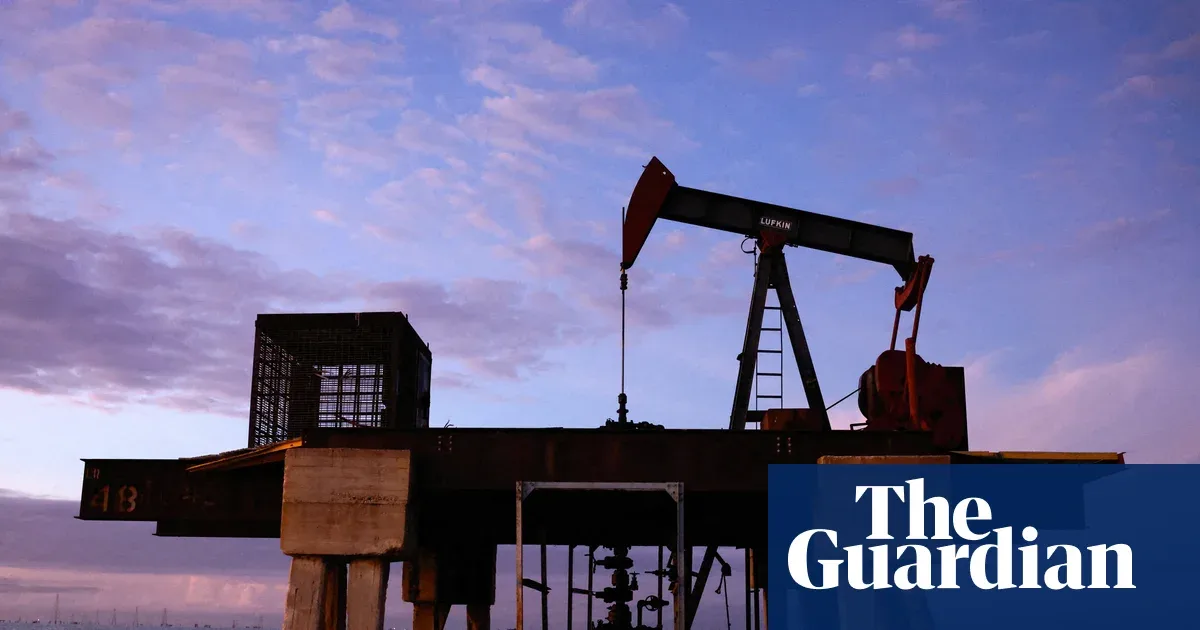
In the letter, the signatories expressed deep concern over the series of climate disasters that have occurred recently—from wildfires in Europe to melting glaciers in Nepal—as well as the impact of unending wars. They argue that the root of these various problems is the same: dependence on fossil fuels. "The oil that nations fight over is the carbon pollution heating our climate," they wrote, as quoted from the open letter published by The Guardian.
The letter does not merely ask for attention. It pushes for two concrete steps. First, building clean power for everyone. They invite those who can to donate—with just USD 15, one person can enjoy clean electricity for a generation. Second, building a strong social movement to force governments to stop unnecessary coal, oil, and gas projects, and shift to clean energy systems.
"We write this letter out of great fear and great hope. The world seems to be falling apart just when it should be coming together," the letter reads.
Real examples are already visible. California, for instance, now uses only half the natural gas it did three years ago for power generation, thanks to a combination of solar power and battery storage. In Pakistan, people installed millions of solar panels in a short time, with guidance from social media. Meanwhile in sub-Saharan Africa, millions of people each month gain their first access to electricity through home solar devices.
Even so, the signatories stressed that the pace of the energy transition is still too slow. They warned that individual action alone is not enough; collective pressure is needed to force governments and corporations to change policy. "Too many leaders will refuse to act until we together show how great our desire to move is," they said.
For Indonesia, this call has strong resonance. The country still relies heavily on coal for power generation, despite having abundant solar potential. The government has targeted a 23% renewable energy mix by 2025, but the realization is still far from expectations. Global pressure to shift to clean energy could be both an opportunity and a challenge, especially in terms of funding and technology transfer. Indonesian civil society can play a role in pushing for transparency and investment in the renewable energy sector.
The campaign will peak with "Sun Day" on June 20, coinciding with the summer solstice in the northern hemisphere—the day with the largest solar power production of the year. Activists plan to make it a global moment to celebrate and accelerate the energy transition.
The question is, will Indonesia be part of this wave of change or remain behind in an increasingly urgent energy transition? Time keeps moving, and the sun keeps shining for all.