Attorney General's Office Questions Finance Ministry Employee and PMM Commissioner as 390-Ton Rare Earth Export Scandal Begins to Unfold
Baca dalam 60 detik
- Penyidik Kejaksaan Agung memanggil dua saksi baru, yakni pegawai Kementerian Keuangan berinisial FAK dan Komisaris PT PMM berinisial MKCW, untuk melengkapi pemberkasan kasus dugaan korupsi tata kelola tambang mineral tanah jarang.
- Kasus ini menjerat tiga tersangka dari unsur swasta dan instansi penguji serta bea cukai, dengan dugaan manipulasi hasil uji laboratorium agar 390 ton material yang mengandung logam tanah jarang bisa diekspor sebagai ilmenit.
- Selain 15 kontainer yang diamankan di Batam, penyidik mendeteksi dua pengiriman lain yang diduga sudah lolos ke luar negeri, sehingga penelusuran tujuan dan volume material masih berlangsung.
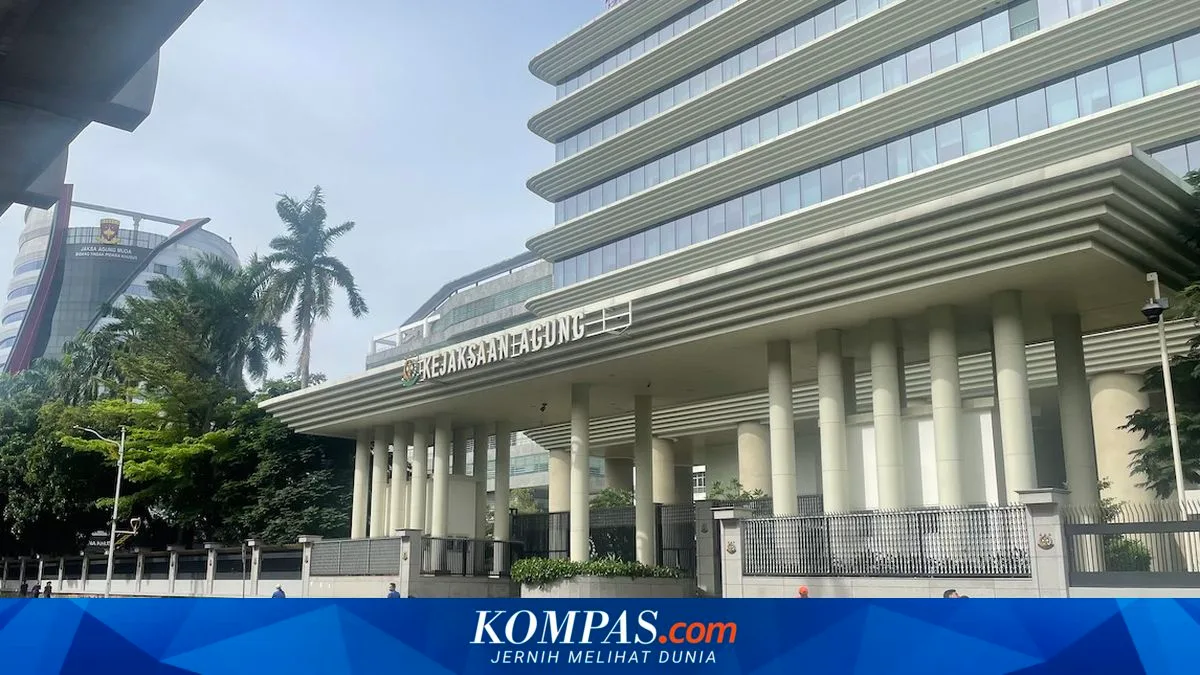
Investigators from the Attorney General's Office have again widened their examination in the alleged corruption case involving the governance of rare earth mineral mining that implicates PT Putraprima Mineral Mandiri (PMM). On Wednesday (23/9/2026), two witnesses were summoned, one from the Ministry of Finance and one from the company's board of commissioners.
The Head of the Attorney General's Office Information Center, Anang Supriatna, said both witnesses attended the investigators' summons. They are FAK from the Ministry of Finance and MKCW, who serves on the Board of Commissioners of PT PMM. According to Anang, the examination is aimed at strengthening the evidence while completing the case file.
He stressed that the investigation is being carried out professionally, independently, and accountably, while upholding the presumption of innocence and the principle of prudence. The statement appears intended to dampen public speculation that has begun to question how far state officials are involved in the export chain for this strategic material.
The case began with allegations of manipulated laboratory test results. Investigators believe IS asked GP not to carry out a thorough test of ilmenite samples, so that the rare earth metal content would not appear in the laboratory report. The report that had been "cleaned" then became the basis for issuing export documents.
Meanwhile, JK is suspected of continuing to issue export documents despite knowing the material to be shipped contained rare earth metals that are banned from export. If this allegation is proven, there is a serious problem in the state's oversight chain, from the testing laboratory to the customs agency.
"The investigation is being carried out professionally, independently, and accountably, while upholding the presumption of innocence and the principle of prudence," said Anang Supriatna, Head of the Attorney General's Office Information Center.
In addition to securing 15 containers holding around 390 tons of material in Batam, investigators found indications of two other shipments suspected to have reached overseas markets. To date, the export destinations and the amount of material in those two shipments are still being traced. This finding opens the possibility that similar practices did not stand alone and may have been going on for a certain period.
For readers in Indonesia, especially market players and investors, this case touches on two things at once. First, the governance of critical minerals that have been seen as the future of the energy and technology industries. Rare earth metals are important raw materials for magnets, batteries, electronics, and even defense components. If export oversight is fragile, Indonesia risks losing added value as well as potential state revenue.
Second, trust in the testing and customs institutions is at stake. The involvement of individuals from PT Sucofindo and Customs and Excise, if proven in court, could hit the credibility of an export verification system that many trading partner countries rely on. Export destination countries, especially in East Asia and Europe, are increasingly strict in demanding material traceability and environmental compliance.
From a regulatory standpoint, this case reinforces the urgency of reforming rare earth mineral governance, which currently lacks a legal framework equivalent to that of other mining commodities. The government needs to ensure that laboratory testing, export document issuance, and port supervision are part of a single interlocking chain, rather than being fragmented and thus open to manipulation.
The big question now is not only who will be the next suspect, but how deeply this practice has taken root. If the two shipments suspected of slipping through are truly confirmed, the public has the right to know whether there are other actors beyond the three names already named. Transparent law enforcement will be a test of Indonesia's commitment to managing strategic resources sovereignly.