KPU Rejects Denny Indrayana and Others' Lawsuit: Petitioners Deemed to Lack Legal Standing
Baca dalam 60 detik
- KPU RI menegaskan bahwa pemohon PHPU Pilpres 2024, termasuk Denny Indrayana dan Partai Ummat, tidak memiliki legal standing sesuai peraturan perundang-undangan.
- Dalil pemohon soal perubahan aturan dan surat keterangan pendidikan Gibran dianggap tidak relevan karena kewenangan mengajukan sengketa hanya milik pasangan calon.
- Mahkamah Konstitusi akan menentukan apakah eksepsi KPU diterima atau gugatan tetap dilanjutkan ke pokok perkara, dengan implikasi pada kepastian hukum hasil pemilu.
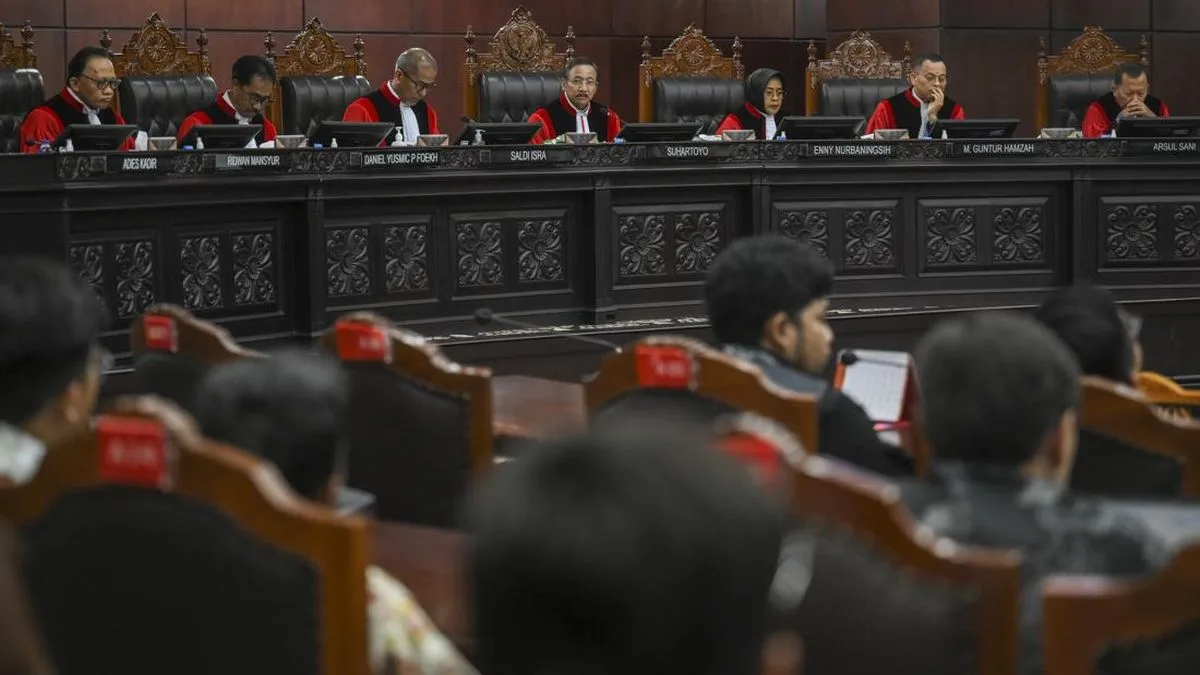
The General Elections Commission (KPU) of the Republic of Indonesia has firmly rejected the lawsuit over the 2024 Presidential and Vice Presidential Election Results Dispute (PHPU) filed by Denny Indrayana and several other parties. In a follow-up hearing at the Constitutional Court (MK) on Wednesday (23/9), the KPU's legal counsel, Saleh, stated that the petitioners lacked the legal standing to file the petition.
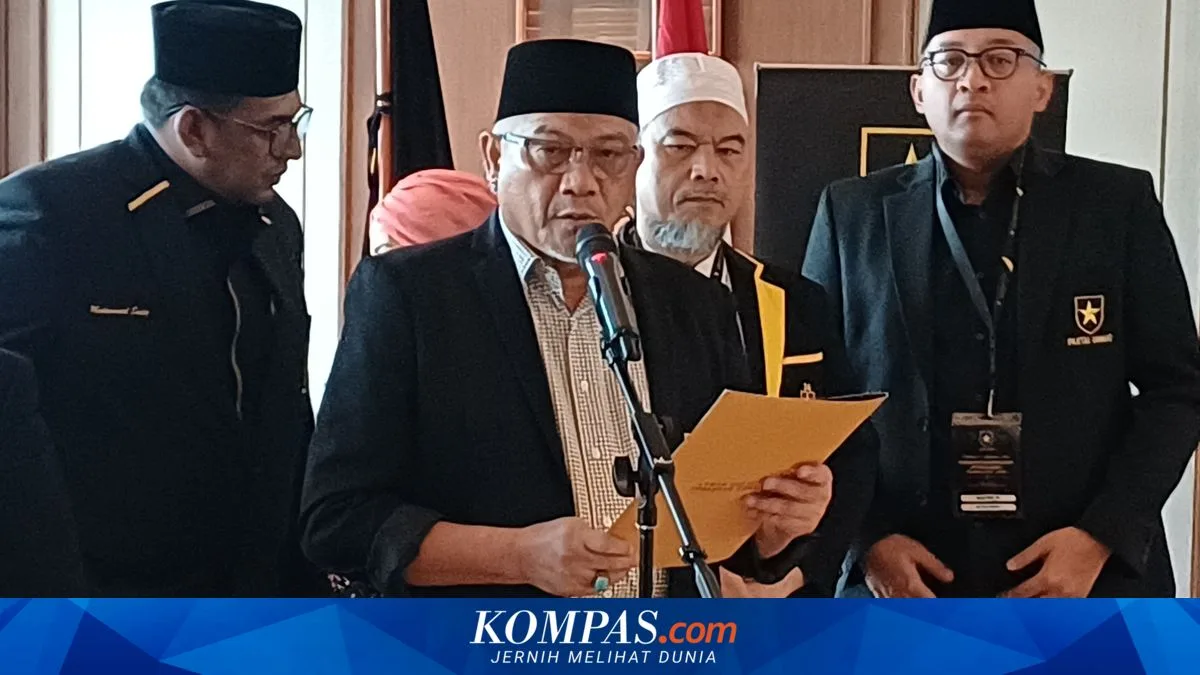
The KPU's main argument rests on Article 74 paragraph (1) letter b of the Constitutional Court Law, Article 475 paragraph (1) of the Election Law, and Article 3 paragraph (1) of Constitutional Court Regulation No. 3 of 2023. These regulations stipulate that only presidential and vice presidential candidate pairs have the right to challenge the results of a presidential election. According to Saleh, the petitioners—consisting of the Independent Election Monitoring Committee (KIPP), the Ummat Party, Denny Indrayana, the Forum of Retired TNI Soldiers, Subhan, and Bonatua Silalahi—do not meet those qualifications.
Saleh also rebutted KIPP's argument, which drew an analogy between the authority of monitors in the presidential election and in regional elections. He considered the comparison flawed because monitors are not granted the right to file election result disputes. "The logic should be that monitors do not have the legal standing to file a dispute over the results of the 2024 Election," Saleh said during the hearing.
In addition, the KPU dismissed the Ummat Party's argument claiming it was harmed as a supporting party of candidate pair number 1. Saleh emphasized that a political party's authority to file a PHPU is limited to legislative elections for the DPR and DPRD, not presidential and vice presidential elections. He also stated that there is no direct legal relationship or causal link between the petitioners' status as individuals and the legal consequences being disputed.
"There is no direct legal relationship or causal link between the status as an individual and the legal consequences being disputed," said Saleh.
The petitioners themselves alleged indications of a sudden rule change just before the close of presidential and vice presidential candidate registration on 6 August 2023. They highlighted KPU Regulation No. 19 of 2023, which exempted the requirement for proof of high school or equivalent graduation, as well as the equivalency certificate issued hastily by the Ministry of Education and Culture (now the Ministry of Primary and Secondary Education) for Gibran's education. However, the KPU argued that the matter cannot serve as a basis for the lawsuit because the petitioners lacked legal standing from the outset.
If the KPU's exception is accepted, the lawsuit could be dismissed before reaching the merits of the case. Conversely, if the Constitutional Court rejects the exception, the hearing will proceed to material evidence, which could reopen the debate over the integrity of the nomination process. The Constitutional Court's ruling on this case will be an important precedent for the limits of the authority of election monitors and political parties in future election result disputes.