Burnham Challenges Alcohol Ban in Stadiums: Discrimination Against Football Fans
Baca dalam 60 detik
- Perdana Menteri Inggris Andy Burnham menyebut aturan larangan minum alkohol di tribun penonton sebagai diskriminasi terhadap penggemar sepak bola.
- Asosiasi Suporter Sepak Bola (FSA) mendukung peninjauan regulasi, sementara kepolisian memperingatkan risiko peningkatan kekerasan.
- Pemerintah membuka opsi uji coba, tetapi perubahan permanen membutuhkan konsultasi luas dengan klub, suporter, dan otoritas terkait.
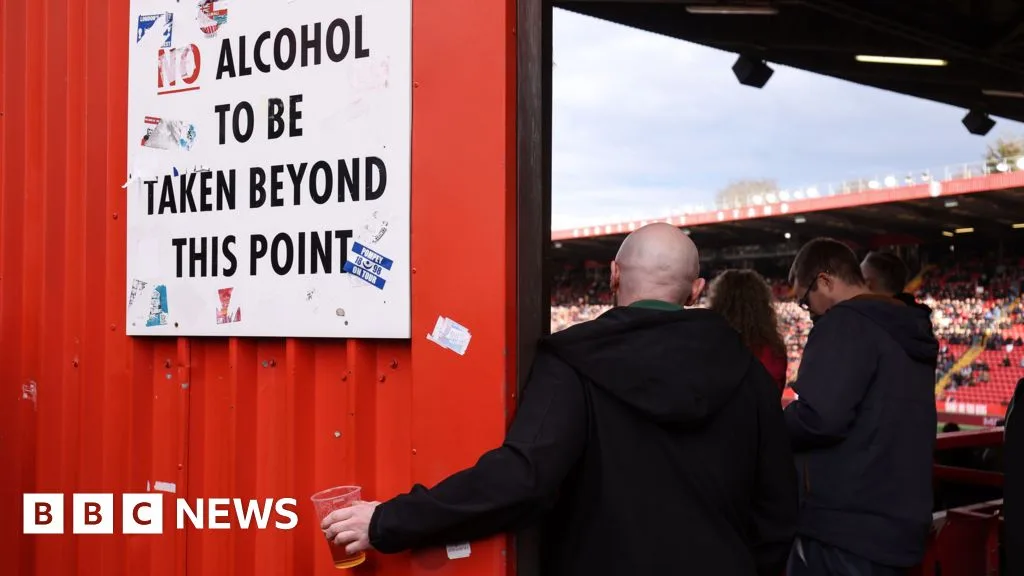
UK Prime Minister Andy Burnham has criticized the ban on drinking alcohol in the stands at men's football matches as a form of discrimination. Burnham made the statement to reporters during a visit to the UN Headquarters in New York, and it immediately sparked debate about revising legislation that is nearly four decades old.
The regulation introduced in 1985 by Margaret Thatcher's government prohibits alcohol consumption within sight of the pitch at Premier League club stadiums down to five tiers below. Similar rules are not applied to other sports such as rugby or music concerts, giving rise to complaints about unequal treatment.
Burnham, a keen football fan and Everton season ticket holder, stressed that his view has not changed even though he now serves as prime minister. "I believe that law comes from an era when football was very different. There is a strong case for removing this discrimination," he said. He added that change could be made gradually through a pilot scheme.
The Football Supporters' Association (FSA) welcomed Burnham's statement. FSA chair Tom Greatrex said it was unfair to criminalize fans who want to enjoy a drink while watching a match, especially since spectators at music events or rugby league can do so in the same seats. "Many clubs support change, and we agree this legislation is outdated," Greatrex said.
However, UK police, through the UK Football Policing Unit (UKFPU), issued a stern warning. A UKFPU spokesperson stated that relaxing the rules would pose major challenges to safety and order. "Other sports do not face violence and criminal behavior from supporters like football does, even if only a small minority. Alcohol is often a trigger," the spokesperson said. They deemed the move irresponsible without a thorough review and consultation with policing practitioners.
"I don't see how it can be fair if supporters of one sport are treated differently," Burnham said, reaffirming his commitment to reviewing the rules.
The government is said not to rule out holding a pilot project to test the impact of the change. However, a government source said any broader step would require extensive consultation with clubs, supporter representatives, and the Department for Digital, Culture, Media and Sport. So far, there is no official plan to start the process.
A fan-led review of football governance in 2021 recommended revisiting this law. Since this season, the rules have been relaxed for all Women's Super League (WSL) clubs, which are allowed to offer alcohol in the stands after two pilot seasons deemed successful. Meanwhile, Scotland still enforces a stricter ban since 1981, although trial sales at Hampden Park have begun.
For Indonesia, this controversy can serve as a mirror of how sports regulations often lag behind social reality. In the country, alcohol consumption in stadiums is not a major issue because most spectators do not consume it, but the principles of non-discrimination and evidence-based evaluation remain relevant. If the UK revises its rules, it is not impossible that leagues in Asia, including Indonesia, will review similar policies, especially ahead of international events. The question is, can the safety and comfort of supporters be guaranteed without sacrificing equal rights?