Lady Gaga Chooses to Guard Her Child's Privacy, Gives Birth to Rose Bean Polansky in Silence
Baca dalam 60 detik
- Lady Gaga dan tunangannya, Michael Polansky, dikabarkan telah menyambut anak pertama mereka, Rose Bean Polansky, pada 9 Juni 2025.
- Sang bintang pop bertekad memberikan masa kecil yang wajar bagi putrinya, jauh dari sorotan kamera dan ekspektasi publik.
- Keputusan Gaga mencerminkan pergeseran nilai di kalangan selebritas global yang kian ketat membentengi ruang privat keluarga.
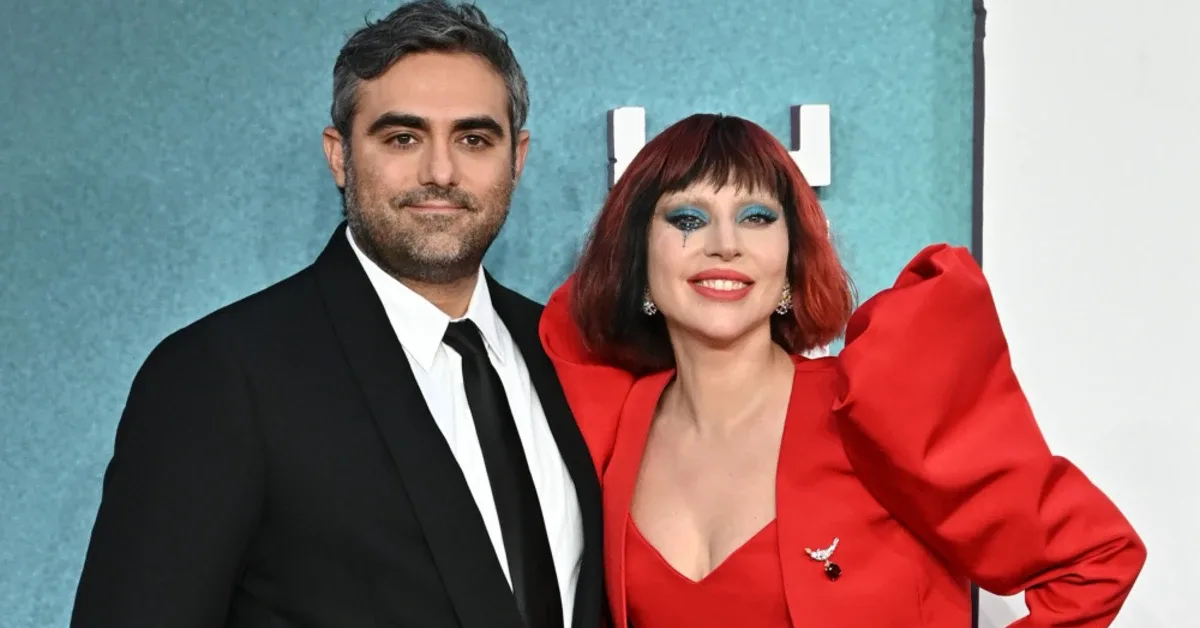
News of the birth of Lady Gaga's first child with her fiancé, Michael Polansky, only became public nearly three months after the delivery. The baby girl, named Rose Bean Polansky, was born on 9 June 2025 at Cedars-Sinai Medical Centre, Los Angeles, according to a leaked birth certificate obtained by US entertainment media. The couple chose total silence, with no official announcement or exclusive photo session of the kind common among top-tier celebrities.
The move was not without reason. According to a source close to the couple, Gaga—whose real name is Stefani Germanotta—wants her daughter to grow up without the burden of being the child of a global star. She is said to be highly selective about who may enter the family's innermost circle. "She wants Rose to have a normal childhood, far from all the attention that comes with her fame," the source said, as quoted by Page Six.
This layered protection marks a new chapter in Gaga's life. The 40-year-old is known as a figure who is vocal about mental health and freedom of expression, but she has always kept a boundary between the stage and her private space. Now that line is drawn more firmly. The same source said Rose's arrival has brought out a gentle side rarely seen: "Becoming a mother has brought out an extraordinary emotional side of her. She is enjoying every moment."
The choice of the child's name also carries a story. "Rose" is linked to Edith Piaf's legendary song, La Vie En Rose, which Gaga once performed in the film A Star Is Born. Meanwhile, "Bean" is thought to be a tribute to Carl Bean, the activist and singer who inspired the song Born This Way (2011). The combination shows how Gaga's artistic heritage and values of struggle are being planted from the start in her daughter's identity.
In an interview with The Late Show with Stephen Colbert in October 2025, Gaga had already hinted at that wish. "I want to do a lot of things. Everything is still open. But what I want most is to be a mother. That is my next main role," she said. Long before that, in March 2020, she also told InStyle that she was very excited to welcome a child and viewed pregnancy as an extraordinary biological miracle.
"She has always valued her privacy, but now it has risen to a completely new level after becoming a mother." — a source close to the family
Gaga's phenomenon is not an isolated case. In recent years, a number of global celebrities—from Beyoncé to Ryan Reynolds—have become increasingly aggressive in demanding privacy rights for their children, even taking legal action against media they consider to have crossed the line. In Indonesia, a similar trend is beginning to be felt. Artists and public figures in the country are increasingly covering their children's faces on social media, some choose not to publish full names, and several have demanded that digital platforms remove content that exploits children.
For the Indonesian entertainment industry, Gaga's move could serve as a mirror. Until now, the national celebrity ecosystem has often turned pregnancy and birth moments into content commodities—from paid baby showers to family-specific YouTube channels. Gaga's choice shows that there is a price to be paid when a child's privacy is at stake: long-term psychological pressure, identity disruption, and public expectations the child never asked for.
Fans in Indonesia who know Gaga as "Mother Monster" may hope to see Rose grow up in front of the camera. But if she follows in her mother's footsteps, chances are they will only get a glimpse—a photo from a distance, without a face, without a full name. And that is precisely the strongest statement: that fame may belong to the public, but childhood is a child's right.
Going forward, the question is no longer whether Gaga will return to the stage—she certainly will. What is more interesting is how the global and Indonesian entertainment industries balance the demand for public transparency with a child's basic right to private space. If a star as big as Gaga chooses to step back for a while, perhaps it is time for the celebrity ecosystem to redraw the boundary between sharing and protecting.