Constitutional Court Justice Arsul Sani Admits He Once Took a Course at the Campus Linked to Gibran, Raises KPU Verification
Baca dalam 60 detik
- Hakim Konstitusi Arsul Sani mengungkap pengalaman pribadinya menempuh kursus bahasa Inggris di Insearch Learning Center, yang kini menjadi UTS College — institusi yang dikaitkan dengan riwayat pendidikan Gibran Rakabuming Raka.
- Dalam sidang PHPU Nomor 01/PHPU.PRES-XXIV/2026, Arsul mempertanyakan secara rinci proses verifikasi KPU terhadap syarat pendidikan bakal pasangan calon, termasuk jalur pendidikan menengah di Singapura dan program pathway di Australia.
- Pemohon, Denny Indrayana, menilai pendidikan Gibran yang tidak memenuhi syarat sebagai cawapres ditutupi dan menempatkan MK sebagai harapan terakhir setelah upaya ke peradilan umum, PTUN, KIP, dan DPR tidak membuahkan kejelasan.
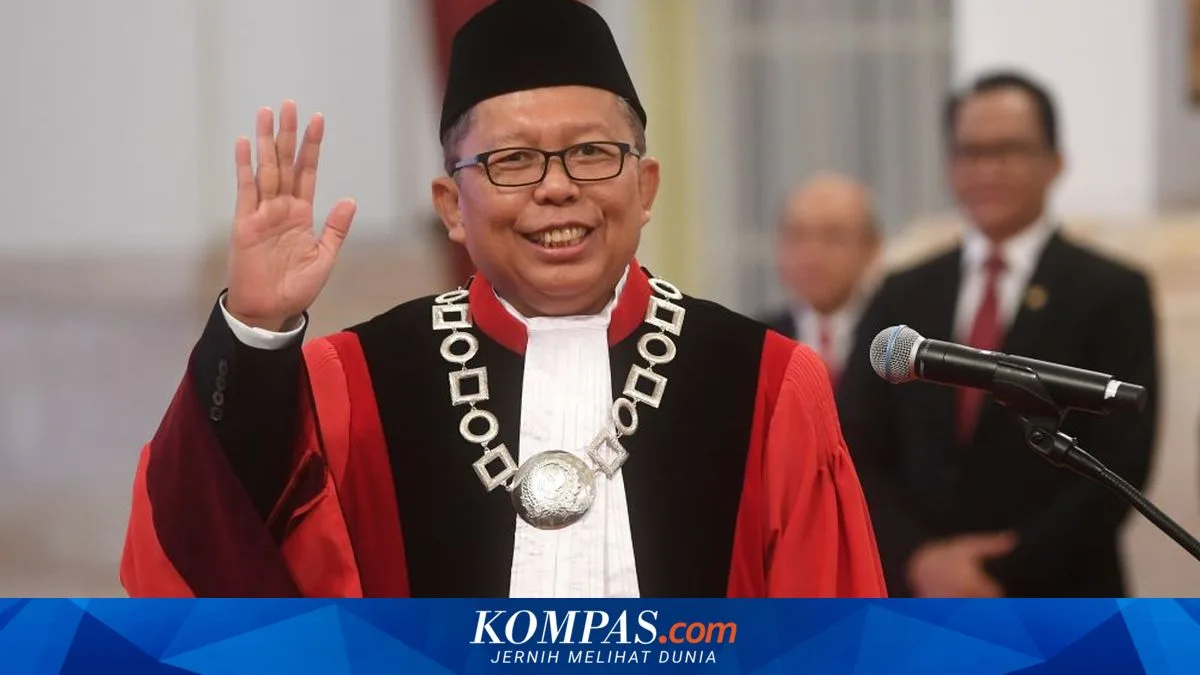
Jakarta, LyndHub — Constitutional Court Justice Arsul Sani opened up about his personal experience as an alumnus of an English course at Insearch Learning Center, an institution that has since been renamed University of Technology Sydney (UTS) College. He shared the story in the Constitutional Court courtroom on Wednesday (23/9/2026), while hearing the election results dispute case (PHPU) Number 01/PHPU.PRES-XXIV/2026, which questions Gibran Rakabuming Raka's secondary education requirement as a vice-presidential candidate in the 2024 Presidential Election.
Arsul said he had taken a three-week English course at the institution. According to him, understanding the institution's structure matters so he can clearly distinguish between pathway, matriculation, and foundation programs — terms that often appear in cross-border education documents. He hopes the General Elections Commission (KPU) will clarify the verification process for the education requirements of candidate pairs, from the secondary level in Singapore to bridging programs in Australia.
"This is apart from the matter concerning our Vice President, but for me things like this must be a lesson going forward," Arsul said, stressing that the issue of verifying education documents is not merely about one candidate.
Arsul's statement became one of the most highlighted moments in the hearing held that evening. He spoke not only as a judge examining the case, but also as someone who had taken a similar educational path. That background allows him to probe more deeply whether the documents submitted truly meet formal requirements, or merely passed because of procedural weaknesses at the election organizer level.
During the hearing, Arsul asked in detail how the KPU verified the education requirements of candidate pairs. He highlighted the importance of clarity on the status of overseas education programs, whether someone graduated through a pathway and received a certificate in the form of matriculation, foundation, or another form. According to him, unclear terminology can create differing interpretations that affect the validity of a candidacy.
The petitioner in this case, Denny Indrayana, believes information about Gibran's education requirement was deliberately withheld. He claims he only learned later that Gibran's high school education requirement was not met. "The information was covered up and not provided, even until now," Denny said in a hearing on Monday (21/9/2026). He also said legal efforts had been made to the general courts, the state administrative court, the Central Information Commission, and by letter to the DPR, but none produced clarity.
Denny places the Constitutional Court as a court of last resort, or last hope. "So that we do not become a rejected process of justice, a denial of justice," he said. That statement underscores that this case is not merely an election results dispute, but also a test of the judiciary's credibility in upholding the constitutional requirements for candidacy.
For the Indonesian public, this hearing highlights two things at once: first, how strictly the KPU examines the education documents of candidates for national leadership; second, how transparent the information given to the public is. When education requirements become the entry point for candidacy, clarity of verification is not only an administrative matter, but also a matter of public trust in the democratic process. Investors and market players often make legal certainty a primary consideration; unclear candidacy rules can affect perceptions of political stability and the investment climate.
Going forward, the Constitutional Court faces a difficult choice: strengthen verification standards or allow procedural gaps that could recur in the next election. If the Court rules that the education requirement was not met, the implications could shake the legitimacy of the 2024 Presidential Election results. Conversely, if the case is rejected, questions about KPU transparency and candidate accountability will remain hanging. The public waits to see whether this ruling becomes a precedent that clarifies the rules, or instead adds to the list of uncertainties in the national candidacy system.