Trump's UN Speech: Threats of War, Climate, and the Shadow of International Law
Baca dalam 60 detik
- Trump kembali memicu kontroversi dengan pernyataan bernada ancaman terhadap Iran dan pengabaian isu iklim dalam pidato Majelis Umum PBB.
- Retorika unilateralnya dinilai memperlemah tatanan multilateral serta berpotensi menyeret AS ke pelanggaran hukum internasional.
- Bagi Indonesia, sikap AS ini dapat mempersempit ruang diplomasi dan memperbesar ketidakpastian geopolitik di kawasan.
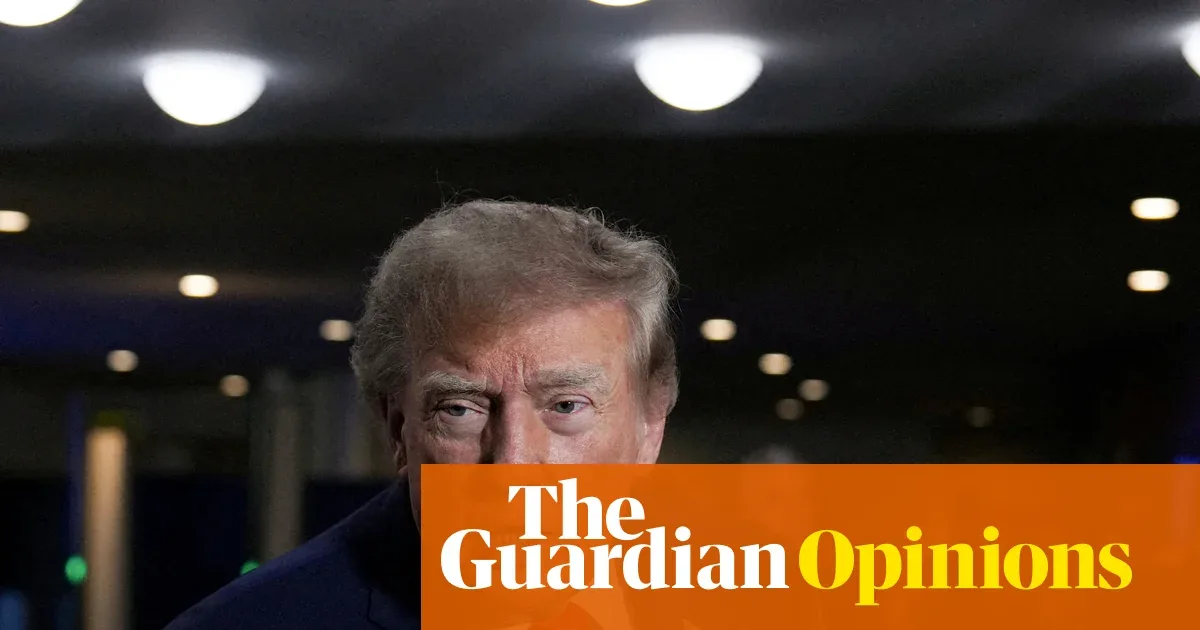
United States President Donald Trump once again drew global attention after his speech at the United Nations (UN) General Assembly sparked widespread condemnation. In the speech, he not only disregarded the principle of peaceful dispute resolution that forms the foundation of the UN Charter, but also issued an open threat against Iran and dismissed the issue of climate change as a "hoax".
The most controversial statement came when Trump questioned whether he should "wipe out the Islamic Republic of Iran" without giving future generations a chance. The sentence was seen not merely as rhetoric, but as a signal that Washington is prepared to take a military path that violates international humanitarian law. Previously, he had also threatened to destroy Iran's bridges and power plants—actions that the International Criminal Court (ICC) has used as the basis for charges against four Russian military commanders in Ukraine.
According to international law observers, such threats could potentially be categorized as war crimes because they target civilian infrastructure and populations. Ironically, Trump offered no coherent reason for his threat. He only asserted that he would not allow Iran to have nuclear weapons, even though Tehran has repeatedly denied having such ambitions. US foreign policy under Trump is in fact seen as counterproductive: after withdrawing from the nuclear deal negotiated during the Obama era, Iran is now closer to nuclear capability.
In his speech, Trump also boasted about a number of aggressive actions. He highlighted the arrest of Venezuelan dictator Nicolás Maduro and an imposed oil deal, without mentioning the future of that country's democracy. He even quoted the principle "to the victor belong the spoils"—affirming a might-makes-right approach. Regarding Greenland, he mentioned a new deal without referring to his earlier threat to seize the territory of Denmark, a NATO ally, by military force.
No less worthy of criticism was his statement about the killing of drug suspects at sea. Trump said they were "at war with civilization" and "must be killed as enemy combatants". In fact, drug cartels are criminal syndicates, not armed forces in an armed conflict. Such extrajudicial executions, according to experts, can be categorized as crimes against humanity, especially because many of the victims were on ships flying the flags of Colombia or Venezuela—ICC member states.
"Trump's rhetoric is not only dangerous for world peace, but also erodes the legitimacy of the multilateral institutions built after World War II," said a foreign policy analyst from an independent research institute.
Trump's claim to be a peacemaker is also being questioned. He stated that he had ended the war in Gaza, but Israeli attacks are still ongoing and his 20-point peace plan has barely been implemented. Hamas has not disarmed, and humanitarian aid supplies are still blocked. In fact, the Trump administration is reported to have rejected the next candidate for UN Secretary-General because the person is considered to acknowledge the genocide in Gaza—a signal that Washington will only accept a UN leader who turns a blind eye to that reality.
On Ukraine, Trump claims progress toward peace, but he previously suggested that Ukraine hand over territory already occupied by Russia plus additional territory—a gift to Vladimir Putin's aggression. Meanwhile, he downplays the UN's role in addressing global problems, calling climate change a "hoax" and efforts to regulate AI "globalist".
Indonesian Context
For Indonesia, Trump's speech underscores the challenges of diplomacy amid global uncertainty. As a non-aligned country that actively promotes peace and multilateralism, Indonesia has an interest in maintaining stability in the Indo-Pacific region. The US's unilateral stance could narrow the space for dialogue and increase the risk of conflict, especially in the Middle East, which affects oil prices and the domestic economy. In addition, the disregard for climate issues by major powers could hamper energy transition funding needed by developing countries such as Indonesia.
Going forward, his meeting with Xi Jinping this week will be a test of whether Trump can prioritize the substance of cooperation or instead become trapped in a narrative of superiority. The world waits to see whether the United States will return to the path of diplomacy or continue down a path of confrontation that harms many parties.