KPU Rejects Lawsuit Over Gibran's Candidacy Requirements: Petitioners Said to Lack Legal Standing
Baca dalam 60 detik
- Kuasa hukum KPU menyatakan pemohon sengketa hasil Pilpres 2024 tidak memiliki legal standing sesuai UU MK dan UU Pemilu.
- KPU menolak dalil pemantau pemilu dan Partai Ummat yang mengklaim dirugikan oleh keabsahan syarat cawapres Gibran Rakabuming Raka.
- Sidang lanjutan di MK ini menjadi ujian bagi batas kewenangan pemohon dalam sengketa pilpres, dengan implikasi pada kepastian hukum dan iklim investasi.
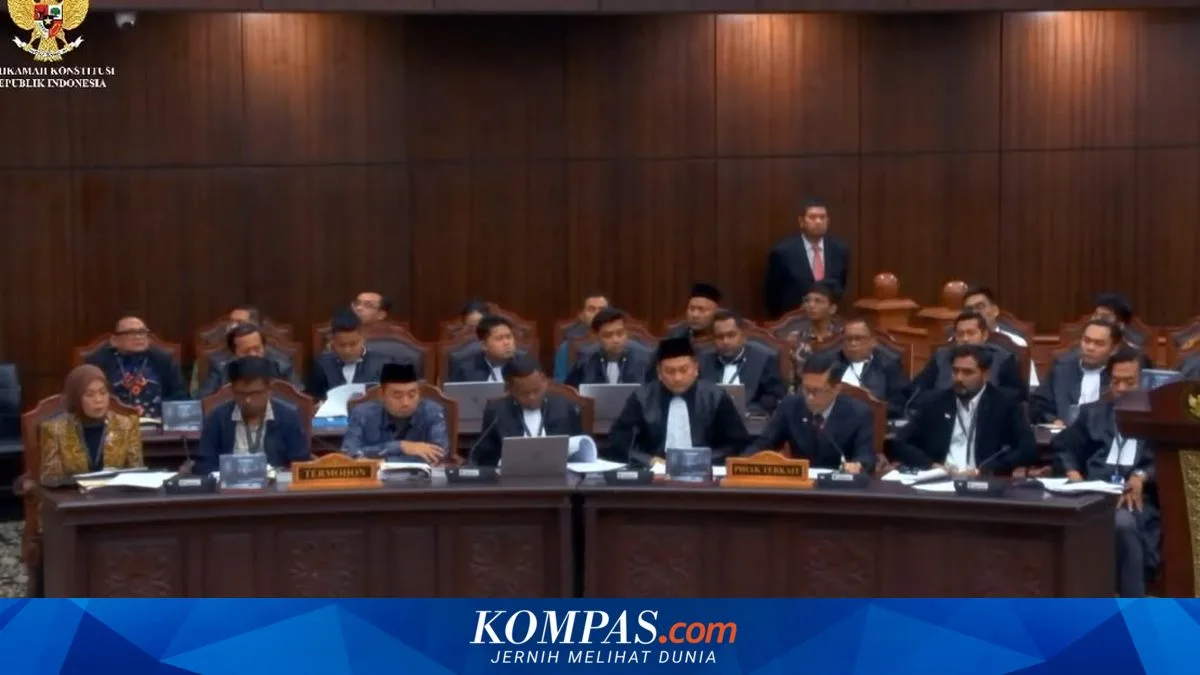
The General Elections Commission (KPU) has asserted that the petitioners in the dispute over the 2024 Presidential Election results lack legal standing to challenge the educational requirements of vice presidential candidate Gibran Rakabuming Raka. The argument was presented by KPU's legal counsel, Saleh, at a follow-up hearing in Case Number 01/PHPU.PRES/XXIV/2026 at the Constitutional Court Building in Jakarta on Wednesday (23/9/2026) evening.
According to Saleh, applicable regulations limit those who may file a petition for a presidential and vice presidential election results dispute (PHPU) to candidate pairs contesting the election. He cited Article 74 Paragraph 1 letter b of the Constitutional Court Law, Article 475 Paragraph 1 of the Election Law, and Article 3 Paragraph 1 of Constitutional Court Regulation Number 3 of 2023. "The petitioners with the authority to file a presidential election PHPU dispute are the presidential and vice presidential candidate pairs contesting the election," Saleh said while reading the exception.
KPU specifically rejected the argument of Petitioner I, from among election monitors, who alleged a vacuum of representation. Saleh deemed the argument unfounded because no norm grants monitors the authority to file a presidential election PHPU. He also called the analogy equating monitors' authority in presidential elections with that in regional elections inappropriate. "The logic should be that monitors have no legal standing to file a dispute over the 2024 election results," he asserted.
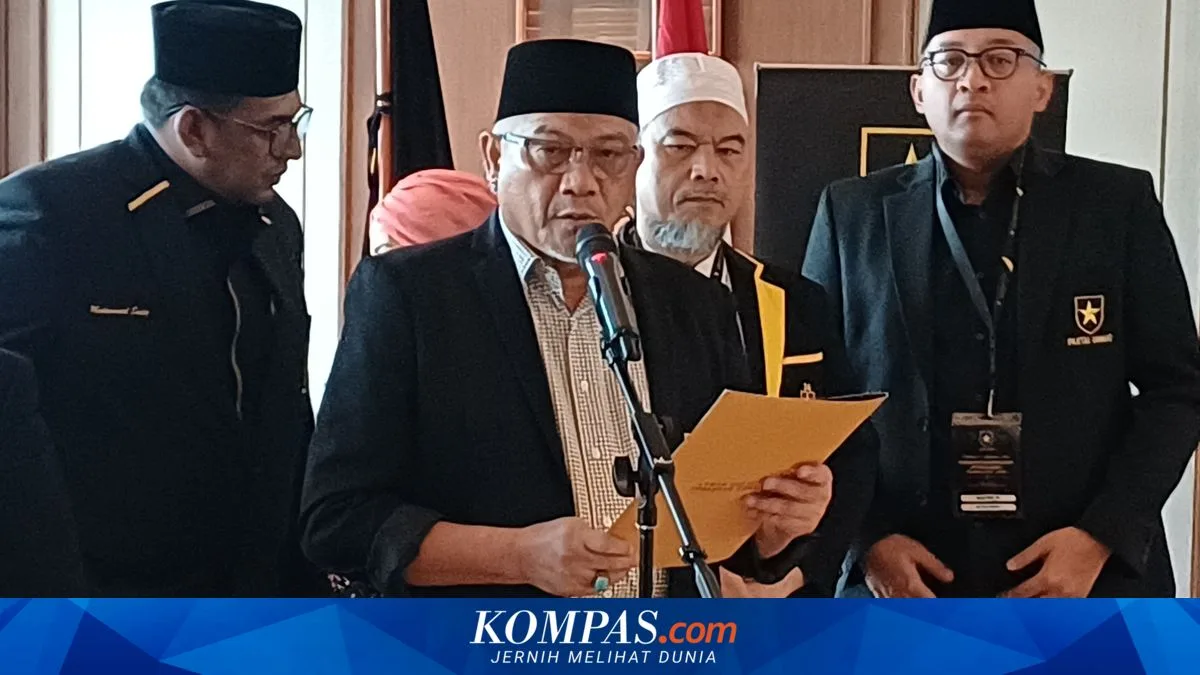
Besides the monitors, KPU also responded to the petition of Petitioner II, Partai Ummat, which claims to have been harmed as a supporting party of candidate pair number 1. KPU argued that political parties' authority to file a PHPU is limited to disputes over DPR and DPRD seats, not the presidential and vice presidential election. As for Petitioners III through XII, who are individual citizens, KPU held that their status as voters or prior legal efforts does not automatically grant them legal rights in a presidential election dispute.
"There is no special circumstance that categorizes an individual as a petitioner in a dispute over the results of the presidential and vice presidential election," Saleh said.
This hearing is a continuation of the case highlighting Gibran's candidacy requirements in the 2024 Election. The hearing agenda includes the submission of the respondent's answer, statements from related parties, and statements from the Election Supervisory Body (Bawaslu). Previously, constitutional justice Saldi Isra had questioned KPU's verification of Gibran's education, adding a substantive review dimension beyond the formal exception.
For readers in Indonesia, particularly market participants and professionals, the development of this dispute is not merely a political ripple. Legal certainty over election results and the limits of petitioners' authority at the Constitutional Court are important signals for regulatory stability and the investment climate. Uncertainty in the legal process can delay business decisions, especially in sectors sensitive to government policy. Therefore, the Constitutional Court's eventual ruling will serve as a reference not only for election organizers but also for the business world in gauging medium-term political risk.
Going forward, the public awaits whether the Constitutional Court will grant KPU's exception or instead open room for the petitioners to prove their arguments. If the exception is accepted, the precedent on legal standing in presidential election disputes will narrow further to candidate pairs. However, if the Constitutional Court chooses to examine the merits of the case, the question is how far the boundary lies between individual legal interest and public interest in election results disputes. The answer to that question will determine the direction of Indonesia's procedural democracy going forward.