Bawaslu: No Reports of Violations of Gibran's Education Requirement, Court Urged to Be Objective
Baca dalam 60 detik
- Bawaslu menegaskan tidak menemukan pelanggaran administratif maupun pidana terkait syarat pendidikan Gibran sebagai cawapres 2024.
- Permohonan diskualifikasi yang diajukan KIPP, Partai Ummat, dan sejumlah individu meminta MK membatalkan pelantikan Gibran.
- KPU bersikeras pencalonan Gibran sudah sesuai aturan, sementara publik menanti putusan MK yang akan menentukan arah demokrasi.
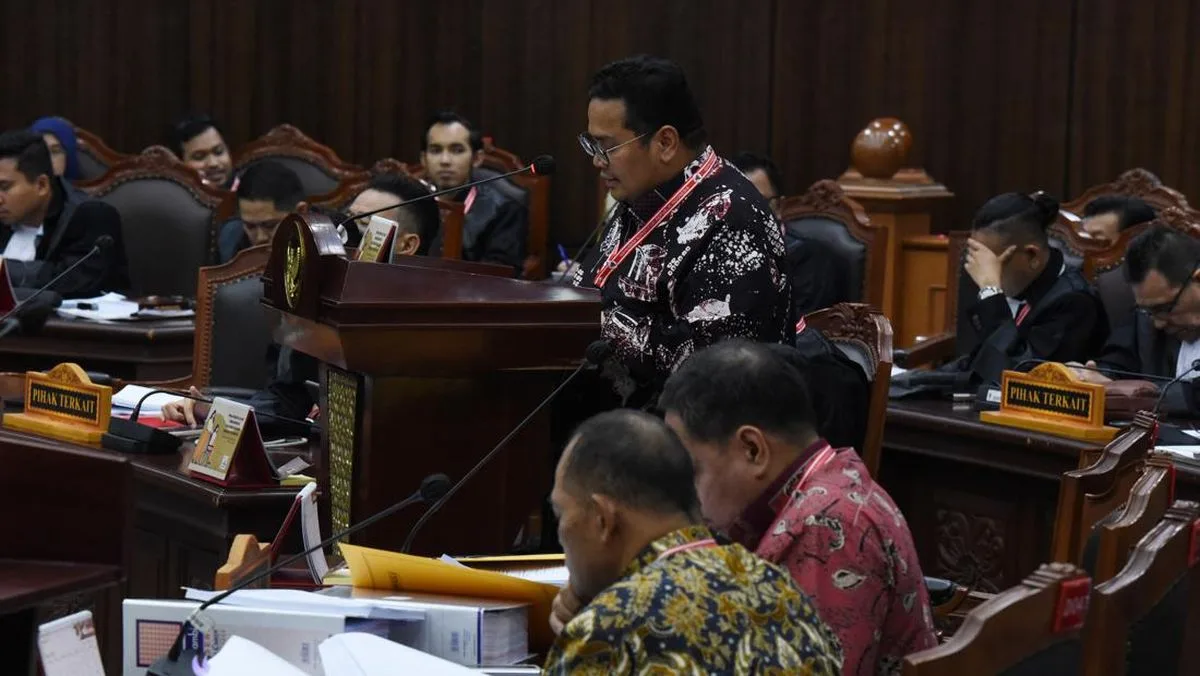
The Indonesian General Elections Supervisory Agency (Bawaslu) has confirmed that there were no reports or findings of alleged violations regarding Gibran Rakabuming Raka's education requirement as a vice-presidential candidate in the 2024 Election. This statement was made by Bawaslu Chairman Rahmat Bagja during a general election results dispute (PHPU) hearing at the Constitutional Court on Wednesday (23/9) evening, for Case Number 01/PHPU.PRES-XXIV/2026.
According to Bagja, during the 2024 election stages, no reports reached Bawaslu concerning alleged administrative violations, election crimes, or requests for process dispute resolution related to the education requirement of the vice-presidential candidate with ballot number 2. He emphasized that the minimum education requirement of completing high school or its equivalent was never the subject of a dispute at the election supervisory body.
Nevertheless, Bawaslu noted several other reports related to the nomination of 2024 Presidential Election participants. One of them was a report on 20 November 2023 questioning KPU Decision Number 1632 of 2023 on the Determination of Candidates for the 2024 Presidential and Vice-Presidential Election. The report was not registered because it was deemed not to meet material requirements, and Bawaslu sent a notification letter on the report's status to the complainant on 23 November 2023.
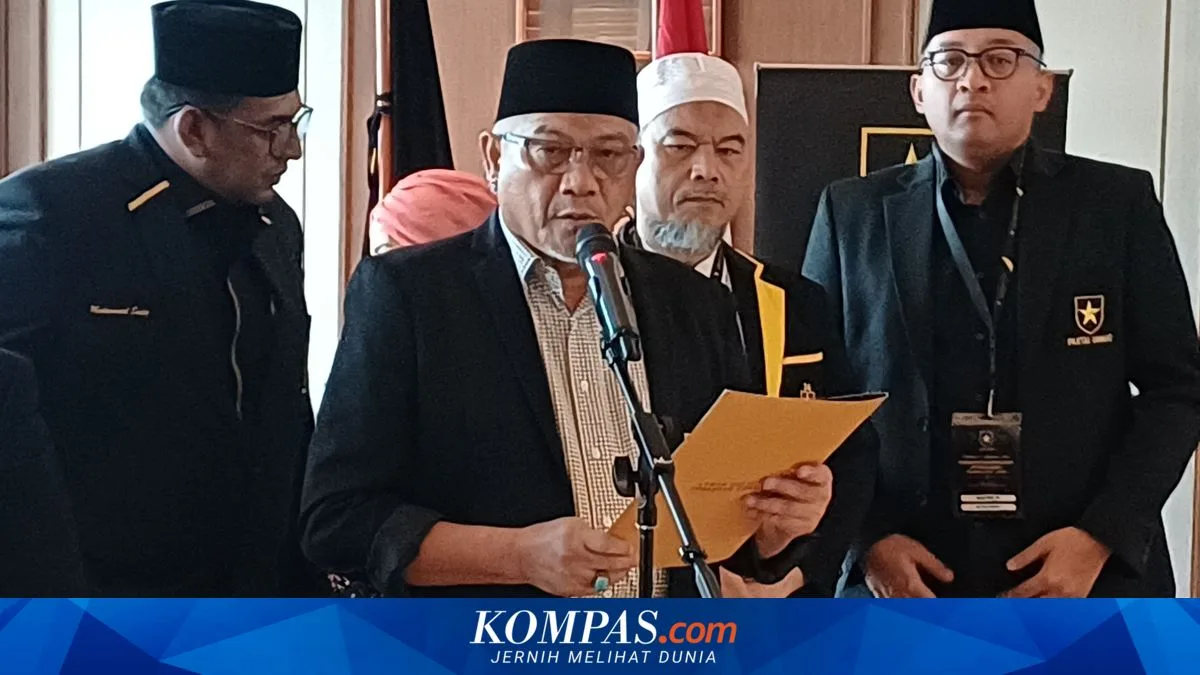
The petition being heard at the Constitutional Court was filed by the Independent Committee for Election Monitoring (KIPP), Partai Ummat, Denny Indrayana, and six citizens grouped in the Forum of Retired TNI Soldiers, M Subhan, Bonatua Silalahi, and Tiurma M.S. Sihombing. In their petitum, the petitioners ask the Court to declare that the education requirement in Article 169 letter r of the Election Law is imperative and must be lawfully fulfilled at the time of registration and determination of the presidential and vice-presidential candidate pair.
The petitioners also ask the Constitutional Court to disqualify Gibran Rakabuming Raka for allegedly not meeting the education requirement. They demand that Gibran's appointment as vice-presidential candidate be declared legally defective from the outset and have no binding legal force. In addition, they request the annulment of the KPU Decision insofar as it concerns Gibran's appointment, the annulment of his inauguration as vice president by the MPR, and an order to the MPR to hold a vice-presidential election session from two candidates proposed by the president within 60 days after the verdict is read.
"There were no reports or findings of alleged administrative violations and/or election crimes, nor requests for resolution of election process disputes during the 2024 election stages," Rahmat Bagja said during the hearing.
Meanwhile, the KPU as the respondent in the hearing emphasized that Gibran's candidacy requirements had been met. This argument is a direct rebuttal to the petitioners' claim that there was a violation of the education requirement.
Indonesian context: This case directly touches on the legitimacy of national leadership and could affect domestic political stability. If the Constitutional Court grants the petition, there will be a vacancy in the vice-presidential office that must be filled through a constitutional mechanism, which could trigger market uncertainty and affect the investment climate. Conversely, if the petition is rejected, the public will assess how consistently election law enforcement is carried out. For the public, this ruling is a test of the transparency and independence of the judiciary, especially amid growing demands for democratic accountability.
Going forward, the Constitutional Court's ruling will determine Indonesia's political direction. Will the Court maintain the status quo or grant demands that could change the leadership composition? All eyes are now on the constitutional justices, who are expected to deliver a ruling based on law and justice, not political pressure.