13-Year Compulsory Education to Start from Kindergarten, Government Prepares BOS and PIP for All State Kindergartens
Baca dalam 60 detik
- Mendikdasmen Abdul Mu'ti mengumumkan rencana wajib belajar 13 tahun yang mencakup jenjang TK, memperpanjang durasi pendidikan dasar yang selama ini 12 tahun.
- Seluruh TK negeri akan menerima dana BOS dan PIP mulai tahun ini, dengan alokasi 20 persen BOS untuk gaji guru non-ASN di sekolah negeri.
- Kebijakan ini berpotensi memperluas akses pendidikan usia dini, namun tantangan pembiayaan dan distribusi guru masih membayangi implementasinya.
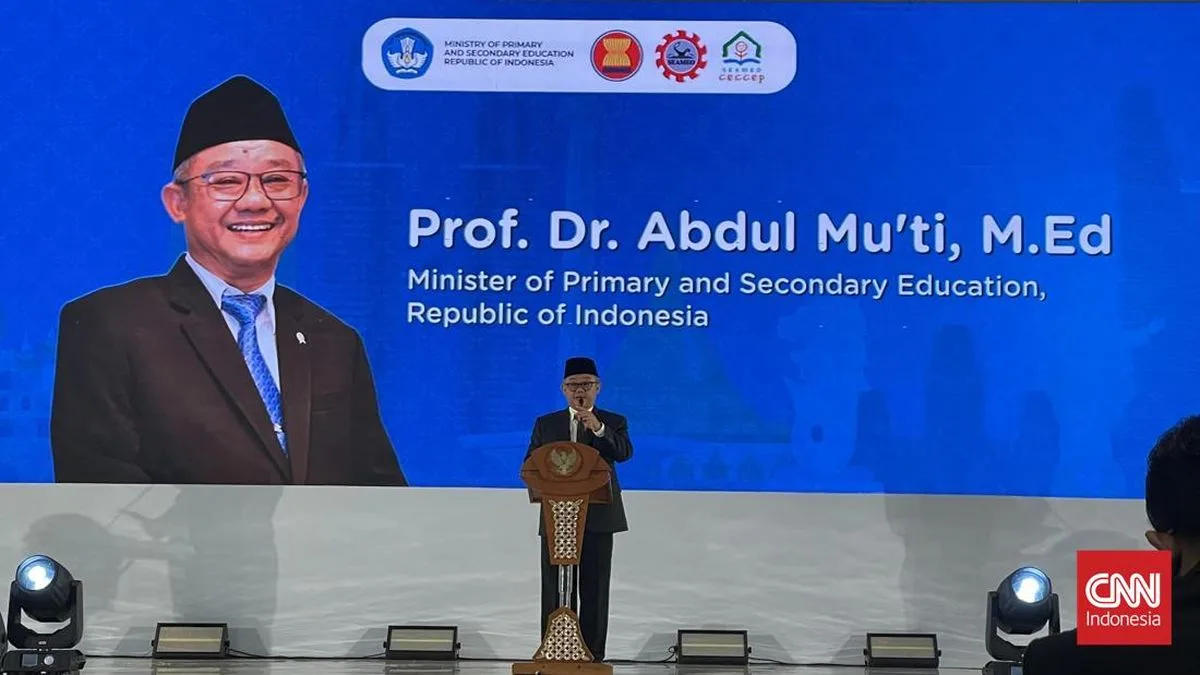
The Indonesian government is proposing to extend compulsory education from 12 to 13 years by including early childhood education as the starting point. Minister of Primary and Secondary Education (Mendikdasmen) Abdul Mu'ti stated this commitment at the Merdeka Palace in Jakarta on Wednesday (23/9), marking a new direction in national education policy that places kindergarten as the foundation.
This step differs from the previous policy, which began compulsory education at the elementary school level. By including kindergarten, the government wants to ensure children receive cognitive and social stimulation from an early age—a prerequisite long considered crucial for improving the quality of human resources. However, Mu'ti did not specify how many state kindergartens currently exist. He only noted that of all kindergartens in Indonesia, state kindergartens account for only about 23 percent, meaning the majority are still privately run.
To support expanded access, starting this year all state kindergarten students will receive Bantuan Operasional Sekolah (BOS) funds. In addition, students from low-income families will also receive Program Indonesia Pintar (PIP) funds. The BOS funds are allocated for operational costs, honoraria for non-ASN teachers, light repairs, and extracurricular activities. Mu'ti emphasized that 20 percent of BOS funds may be used for operations and the salaries of non-ASN teachers at state schools.
This policy also touches on teacher governance. Mu'ti explained that PNS teachers at state schools are already paid by the central government, and PPPK teachers will follow. Meanwhile, non-ASN teachers who teach at state schools can be paid through BOS funds. This scheme is expected to reduce the burden on schools of financing teacher honoraria, while also improving the welfare of educators.
"Included in this is the commitment to 13-year compulsory education starting from kindergarten," Mu'ti said.
Although it sounds progressive, the plan raises questions about infrastructure and budget readiness. With only 23 percent of kindergartens being state-run, expanding access means the government must cooperate with private providers or build more state kindergartens. In addition, allocating 20 percent of BOS funds for non-ASN teacher salaries could erode the share for operations if the number of non-ASN teachers is large. Education observers argue that without an increase in regional fiscal capacity, disparities between regions could widen.
On the regulatory side, 13-year compulsory education requires a clear legal framework, including a revision of the National Education System Law. The government has not yet announced a deadline for full implementation, but this signal indicates a new priority on early childhood education. If realized, Indonesia would join a number of countries that have already implemented compulsory preschool education, such as Brazil and Mexico.
For parents, this policy could reduce the cost of children's education, especially at state kindergartens, which will be made free through BOS. However, teaching quality remains at stake. Teacher training and a curriculum aligned with child development are needed. Without that, adding one year of compulsory education will only be a formality with no significant impact on learning outcomes.
Going forward, the public will await technical details: how much budget is prepared, how the PIP mechanism for kindergarten will work, and whether private schools will receive similar incentives. Equally important is whether the government can guarantee equitable access in remote areas. The big question is whether this 13-year compulsory education will be a breakthrough or merely a seasonal discourse.