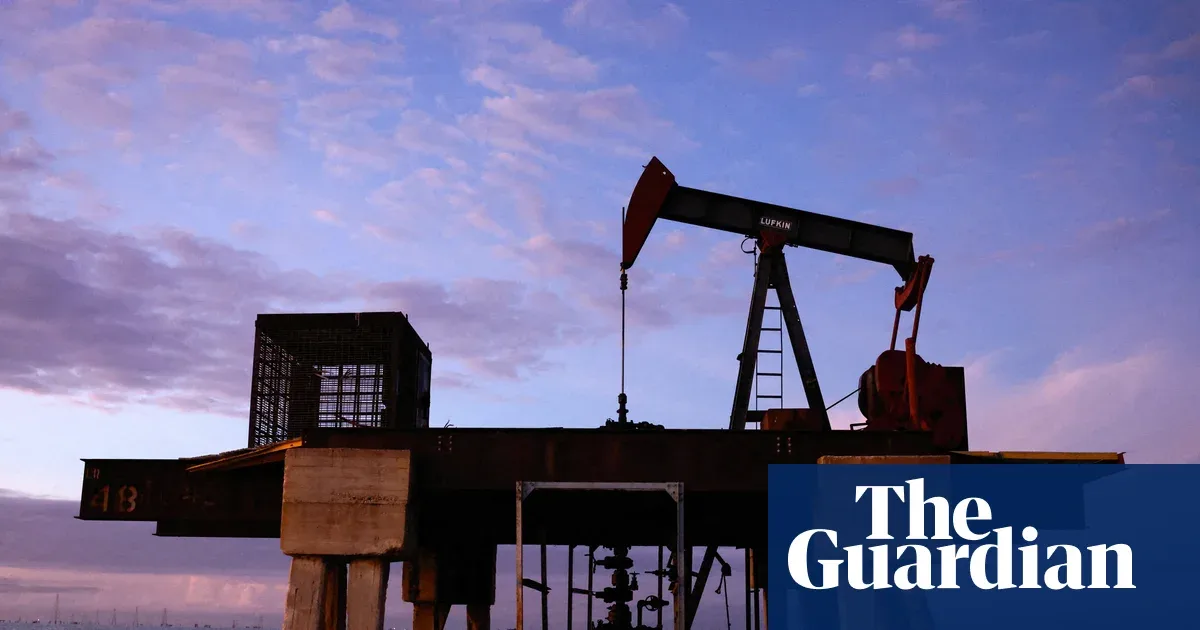
Germany Finally Commits to Phasing Out Fossil Fuels by 2045, an Ambitious Target Amid Controversy
Baca dalam 60 detik
- Pemerintah Jerman untuk pertama kalinya menetapkan target eksplisit menghentikan penggunaan bahan bakar fosil pada 2045, bukan sekadar netralitas karbon.
- Peta jalan itu mencanangkan peningkatan porsi energi terbarukan hingga 80% dari bauran listrik pada 2030, penambahan kapasitas angin dan surya, serta pemangkasan emisi metana 30%.
- Langkah ini menempatkan Jerman sebagai ekonomi maju ketiga yang memiliki rencana transisi energi, namun implementasinya masih menghadapi resistensi politik dan dorongan penggunaan gas.
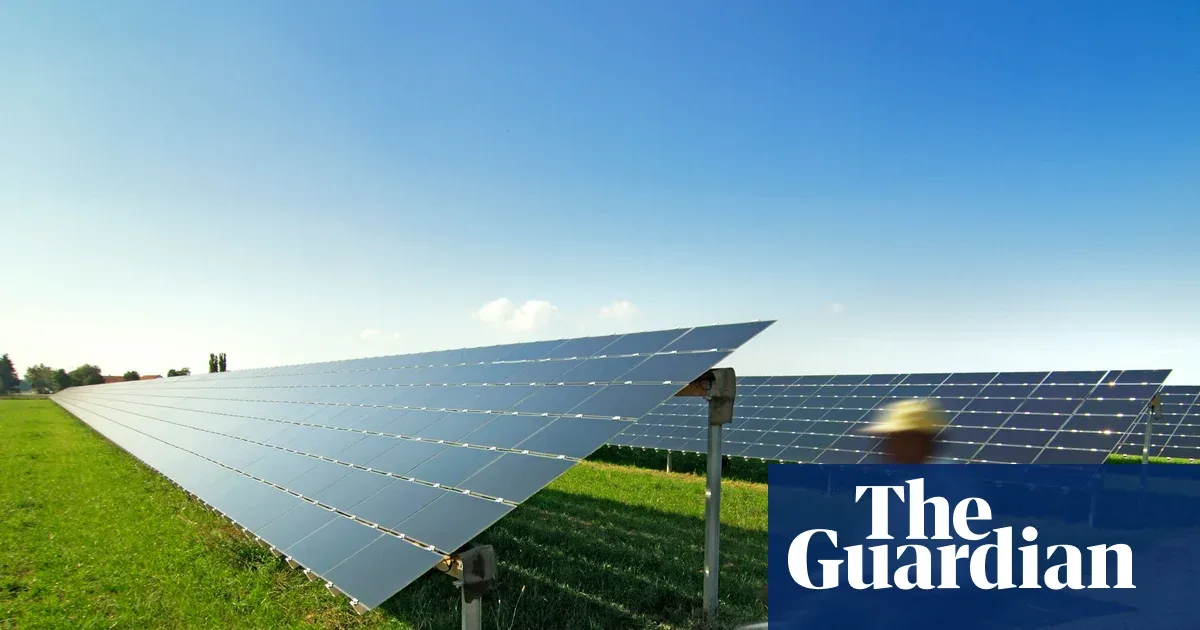
Germany has officially set a target to completely phase out fossil fuel use by 2045, its first explicit commitment that sets it apart from previous pledges that mentioned only carbon neutrality. The roadmap released Wednesday (23/9) marks the biggest shift in European energy policy, even as the government still faces domestic political pressure over green policies.
The document outlines several quantitative targets: the share of renewables in electricity generation rises from 55% to 80% by 2030, with an additional 12 GW of onshore wind capacity and a target of 215 GW of solar power in the same year. The government also reaffirmed plans to reduce coal use this decade, with an option to accelerate the coal exit from 2038 to 2035. Methane emissions—a greenhouse gas with 80 times the warming power of carbon dioxide—are targeted to fall 30% by 2030, in line with a global commitment signed in 2021.
Andreas Sieber, head of global political strategy at 350.org, called the plan a “significant shift” because it makes fossil phase-out an official policy goal. But he warned that Germany's Federal Ministry for Economic Affairs and Energy is instead aggressively pushing greater gas use. “The economy ministry keeps sabotaging the transition away from fossil fuels,” he said, adding that this year's fossil dependence has shown real risks in the form of price shocks and geopolitical insecurity for households and businesses.
“Accelerating the shift from coal, oil, and gas to renewables will strengthen energy independence and protect consumers from price spikes at critical moments. But a roadmap is only a starting line,” said Jennifer Morgan, former German climate envoy.
Morgan stressed the need for more aggressive electrification of the transport and heating sectors. She said the strategy must be accompanied by faster, better-planned deployment of green electrification.
The policy has not been without controversy. The 2023 heating law, which was initially set to ban the installation of majority oil and gas heating systems, came under attack from Germany's right wing. The Alternative for Germany (AfD) turned the issue into a campaign commodity and forced a loosening of the rules earlier this year. One of its leaders, Alice Weidel, even called wind turbines “windmills of shame.” Nevertheless, heat pumps now account for about half of new household heating systems.
Germany becomes the third advanced economy to publish such a roadmap after France and the Netherlands, following an international conference in Colombia last April that required participants to draft fossil phase-out plans. The move comes amid debate among countries over raising climate ambition at the UN General Assembly in New York. UN Secretary-General António Guterres is known as a strong supporter of climate action, but his term ends in December, raising concerns about his successor's commitment.
The UK has not issued a similar pledge and will hold the G20 presidency in December, where climate and oil-gas price spikes are expected to be major issues.
Indonesian Context
For Indonesia, Germany's commitment strengthens global pressure on developing countries to quickly shift fossil energy subsidies to renewables. As the world's largest coal exporter, Indonesia could face a long-term decline in demand from Europe. On the other hand, Germany's transition opens opportunities for technology cooperation and investment in solar, wind, and the battery supply chain. The Indonesian government needs to accelerate its revision of renewable energy policy so it does not fall behind in the global green investment map.
Going forward, the question is no longer whether Germany will leave fossil fuels behind, but how quickly implementation on the ground can match the roadmap's ambition—especially when the economy minister is still pushing gas as a bridge. Without accelerated electrification and political consistency, the 2045 target will be just a document without teeth.