US Mortgage Rates Top 7%, Borrowers Turn to Riskier Credit
Baca dalam 60 detik
- Rata-rata bunga KPR tetap 30 tahun di AS melonjak ke 7,12%, level tertinggi sejak 2024.
- Porsi pengajuan kredit dengan bunga variabel (ARM) naik ke 9,8%, mendekati dua kali lipat dari awal pandemi.
- Permintaan refinancing anjlok 62% year-on-year, menandakan tekanan likuiditas bagi pemilik rumah.
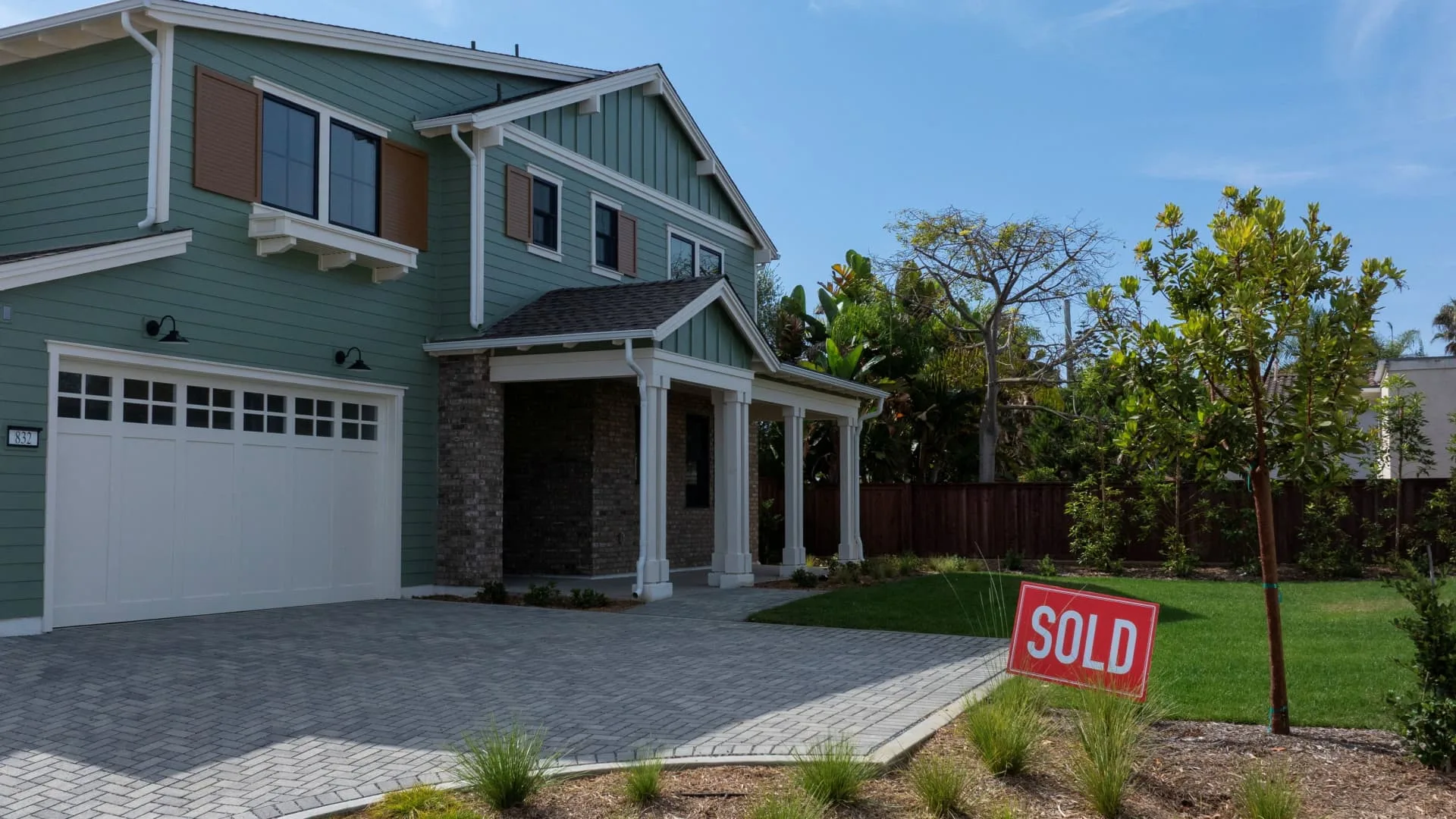
Mortgage rates in the United States have climbed back to their highest level in two years, forcing some borrowers to choose riskier credit products. Data from the Mortgage Bankers Association (MBA) shows the average rate on a 30-year fixed-rate mortgage with a conforming loan limit rose to 7.12% last week, from 6.97% previously. The increase triggered a 1.5% drop in overall loan demand compared with the previous week.
What stands out is the surge in the share of adjustable-rate mortgages (ARMs) to 9.8% of total applications. That figure jumped from 8.4% the previous week and is far above the pandemic-era level of only about 3%. "With fixed rates much higher, more borrowers are choosing ARMs because the 5/1 ARM rate is more than one percentage point lower," said Mike Fratantoni, MBA senior economist. ARMs offer a fixed rate for the first few years, but after that they adjust to the market and can rise sharply.
Refinancing demand plunged 3% in a week and is 62% lower than the same period last year, the lowest since February 2025. Meanwhile, purchase mortgage applications fell 1% week-on-week and 11% year-on-year. The fall season, usually the second-busiest period after spring, is now sluggish. Real estate agents report a sharp decline due to high rates, and buyers are starting to look for ways to save, including riskier credit products.
For the Indonesian market, this dynamic is an important mirror. Although Bank Indonesia's benchmark rate and domestic mortgage rates do not directly follow US movements, the global trend of rising US Treasury yields can trigger capital outflows from developing countries, including Indonesia. Pressure on the rupiah could prompt the central bank to keep interest rates high for longer, which would ultimately weigh on mortgage rates and property credit at home.
In addition, the rising ARM share in the US shows that consumers are starting to take on more risk to be able to own a home. If this trend continues, the risk of defaults in the US property sector could rise, especially if ARM rates adjust upward in the coming years. The impact could be felt in global financial markets, including bonds and property stocks in Asia.
"Borrowers must be wary of the risk of ARM rate resets. Although initial payments are lighter, future rate increases could strain household budgets," said Fratantoni.
Going forward, the market will watch whether this mortgage rate surge is temporary or continues. If US inflation remains high and The Fed holds rates steady, pressure on the global property market could persist. For Indonesian investors, it is important to monitor the indirect impact on the domestic property and banking sectors, especially if foreign capital flows reverse direction.