Saudi Arabia's Oil Exports Hit New Record Amid War, Oil Pipeline Crippled
Baca dalam 60 detik
- Arab Saudi mengekspor 6 juta barel per hari pada September, tertinggi sejak konflik dengan Iran dimulai, meski Pipa East-West lumpuh akibat serangan drone.
- Peralihan rute ke Selat Hormuz dan jalur pengawalan militer AS menjadi penopang utama, sementara harga minyak Brent sempat melonjak mendekati US$110 per barel.
- Pemulihan pasokan ini meredakan kekhawatiran pasar global, tetapi risiko geopolitik di Selat Hormuz tetap membayangi stabilitas energi dunia, termasuk Indonesia.
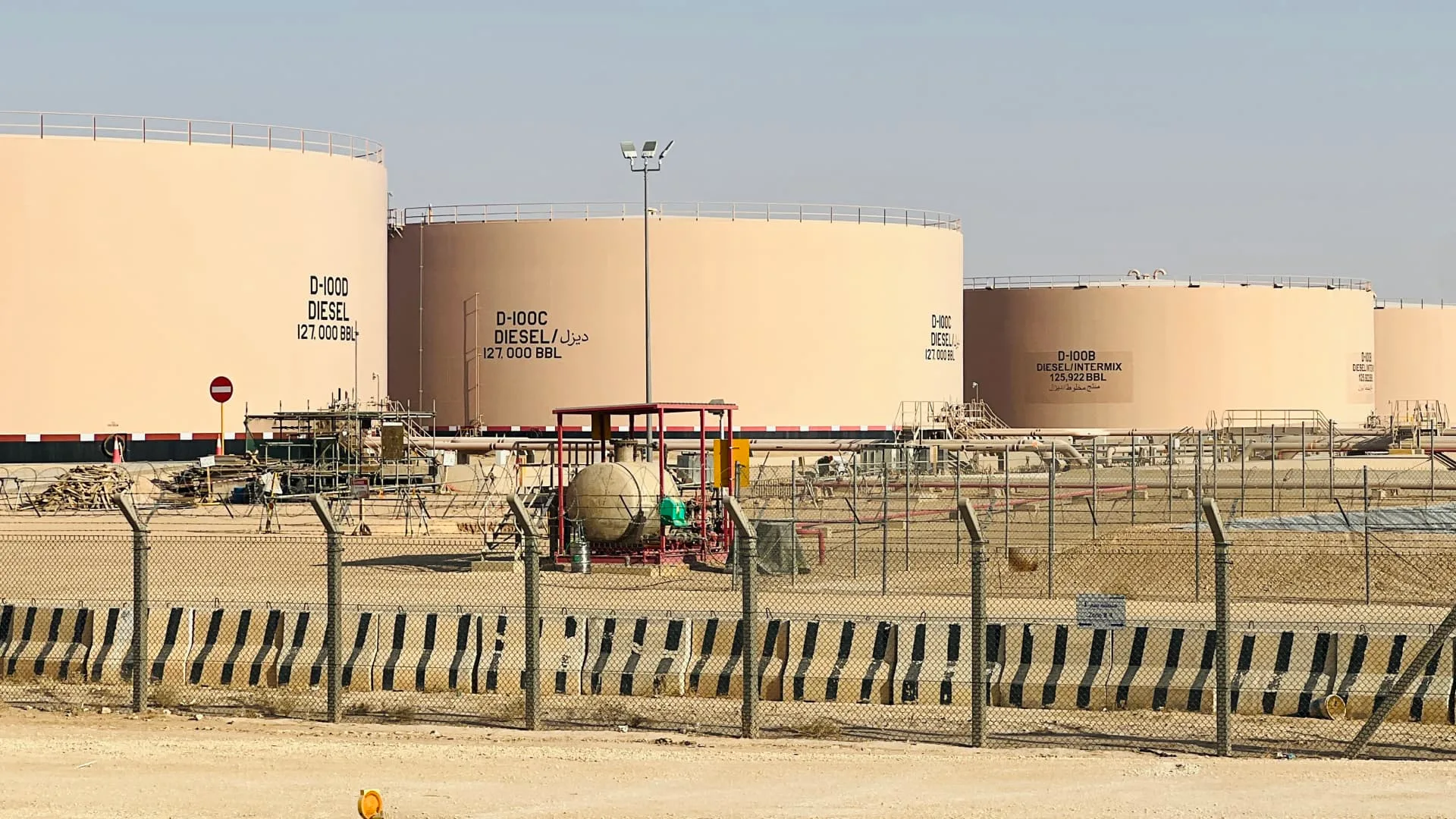
Saudi Arabia recorded crude oil exports of 6 million barrels per day (bpd) in September 2026, the highest level since the war with Iran-backed militants erupted about seven months ago. The achievement came even as the East-West Pipeline, the main alternative route, was forced to close due to damage caused by drone attacks from Iraq, according to data from trade intelligence firm Kpler.
The export surge marks a rapid recovery after shipments in August reached only 3.4 million bpd. The nearly 80% increase returned Saudi Arabia's export volumes to the monthly average throughout 2025. The East-West Pipeline has served as a lifeline for the oil market because it allows Riyadh to move supply from production areas in the east to the Yanbu terminal on the Red Sea, avoiding the Strait of Hormuz, which is prone to attacks on tankers.
The pipeline's closure briefly sent Brent crude prices soaring to nearly US$110 per barrel. However, prices later eased as investor confidence grew that the supply disruption was not as severe as feared. Saudi Arabia is now shifting exports back through the Strait of Hormuz after the United States military opened a shipping corridor along the coast of Oman. Other Gulf countries have used this route for months, though the journey remains risky because Iran continues to launch attacks on passing tankers.
"The increase from the Middle East Gulf is a consequence of the pipeline disruption, but it also signals greater confidence in using the Strait of Hormuz as traffic increases," said Matt Smith, Director of Commodity Research at Kpler, as quoted by CNBC. Kpler data shows exports through Hormuz averaged 13.2 million bpd on Wednesday (23/9), still below the pre-war level of about 17 million bpd.
Industry sources told Reuters that the East-West Pipeline began operating again at low volumes earlier this week and is being ramped up. However, Saudi Arabia has not officially confirmed this. Saudi Aramco CEO Amin Nasser, in an interview with Japanese newspaper Nikkei on Thursday (24/9), stated that "temporary disruptions" to oil infrastructure "usually last only a few days, not weeks or months ... on every occasion." Nasser declined to provide a specific update on the pipeline.
For Indonesia, these dynamics have direct implications for imported crude oil prices and energy subsidies. As a net oil importer, Indonesia is vulnerable to global price fluctuations. Although Brent prices have currently eased, tensions in the Strait of Hormuz—the main tanker shipping route to East Asia—remain a risk that could trigger price spikes at any time. The government needs to monitor these developments because they could affect the state budget posture, especially the allocation of fuel and electricity subsidies.
Going forward, the market will watch whether the East-West Pipeline recovery continues and how well Saudi Arabia can maintain export levels amid escalating conflict. If tensions with Iran flare up again and the Hormuz route is disrupted, oil prices could surge again, putting new pressure on the global and domestic economies. The question is whether Saudi Arabia can maintain supply stability without compromising the security of its critical infrastructure.