Sting Challenges AI: Machine Music Can't Rival Human Heartbreak
Baca dalam 60 detik
- Sting menegaskan AI tidak akan pernah menjadi pesaing musisi manusia karena tidak memiliki pengalaman emosional yang otentik.
- Ia memperingatkan potensi AI menggerus ekonomi tenaga kerja, sementara musisi lain seperti Myles Kennedy menolak AI sebagai alat penciptaan lagu.
- Perdebatan ini mencuat di industri musik global dan berimplikasi pada perlindungan hak cipta serta masa depan kreativitas di Indonesia.
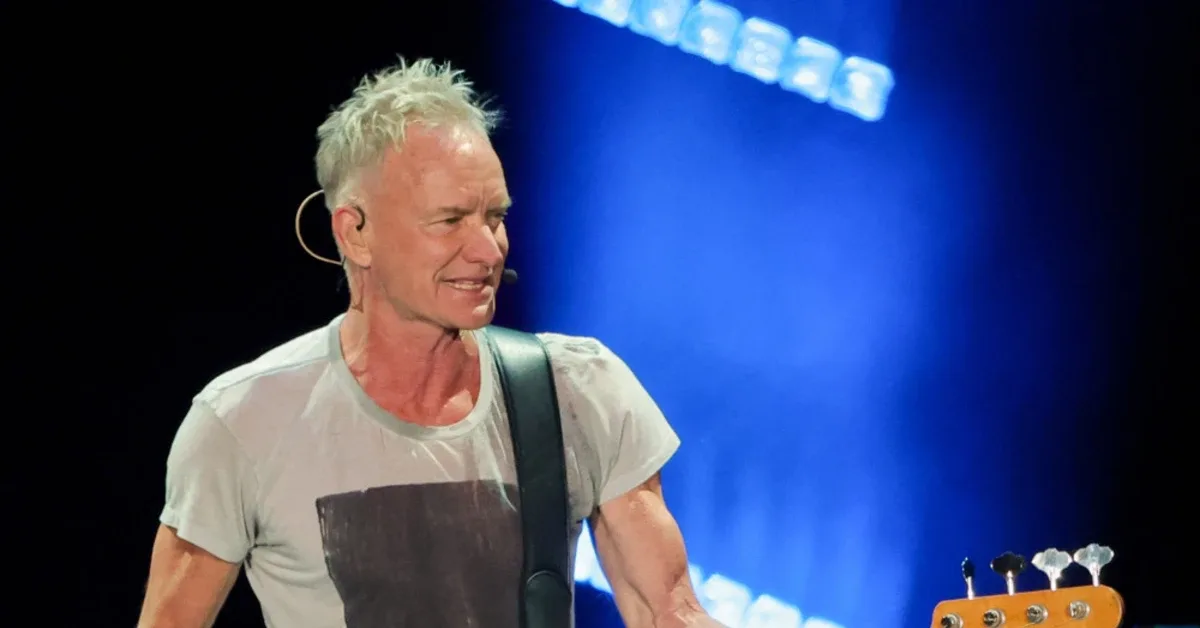
Legendary 74-year-old singer Sting has declared that artificial intelligence (AI) will never be able to rival human musicians. In an interview with BBC Sunday With Laura Kuenssberg, the "Every Breath You Take" hitmaker stated that AI can only produce pop music that is "pleasant enough to listen to" but lacks soul because it doesn't possess the inner wounds, stories, and vulnerabilities that characterize human work.
According to Sting, while AI can create songs that might play in train stations or hotel lobbies, listeners won't truly engage with them. "AI has never had its heart broken; it only borrows other people's stories. So you're not actually listening to a song," he remarked. He added that concert audiences still seek out humans who can make mistakes and be vulnerable, not perfect machines.
Nevertheless, Sting is not blind to a larger threat. He warned that AI has the potential to devastate the labor economy. This statement highlights broader concerns among creative workers about how automation could displace their livelihoods.
Sting's view aligns with that of Alter Bridge vocalist Myles Kennedy, who firmly rejects using AI in the creative process. In an interview with SiriusXM, Kennedy stated that songwriting is a satisfying "treasure hunt," and he refuses to "cheat" himself with technological shortcuts. "I would never use AI as a writing tool. That's just taking other people's work," he asserted. Kennedy added that his songwriting process over the past ten weeks has given him immense satisfaction, and he wouldn't trade it for an instant machine-made song.
"AI has never had its heart broken; it only borrows other people's stories. So you're not actually listening to a song." — Sting
On the other hand, some musicians, like Boy George, have utilized AI to produce songs. This divergence in attitudes indicates that the music industry is divided in its approach to evolving technology. For Sting and Kennedy, the value of a work lies in the intricate human process, not in machine efficiency.
For Indonesia, this debate is not merely a discourse in other parts of the world. The growing domestic music industry, with an increasing number of indie musicians and digital songwriters, needs to promptly anticipate the AI wave. Copyright protection and clear regulations are crucial to ensure that the creativity of local musicians is not eroded by unauthorized machine-generated works. Furthermore, industry players can leverage AI as a tool, not a replacement, to enrich the creative process without losing the human touch.
Moving forward, the question is no longer whether AI will become more sophisticated, but rather to what extent humans will preserve space for emotion and vulnerability in art. If audiences continue to crave human connection, as Sting believes, then concert stages will remain the domain of those brave enough to display their wounds and stories. However, without adequate legal frameworks, the creative economy could slip into the hands of algorithms. Is Indonesia's music ecosystem ready to face this dilemma?