Trump Taps Katie Zacharia as White House Press Secretary, Replacing Karoline Leavitt
Baca dalam 60 detik
- Katie Zacharia dipilih Donald Trump untuk mengisi pos juru bicara Gedung Putih setelah Karoline Leavitt mundur akhir Agustus lalu.
- Zacharia saat ini menjabat penasihat komunikasi di Trump Media and Technology Group, perusahaan induk Truth Social.
- Pengangkatan ini menandai pergeseran strategi komunikasi Gedung Putih ke arah figur yang lebih dekat dengan ekosistem media sosial konservatif.
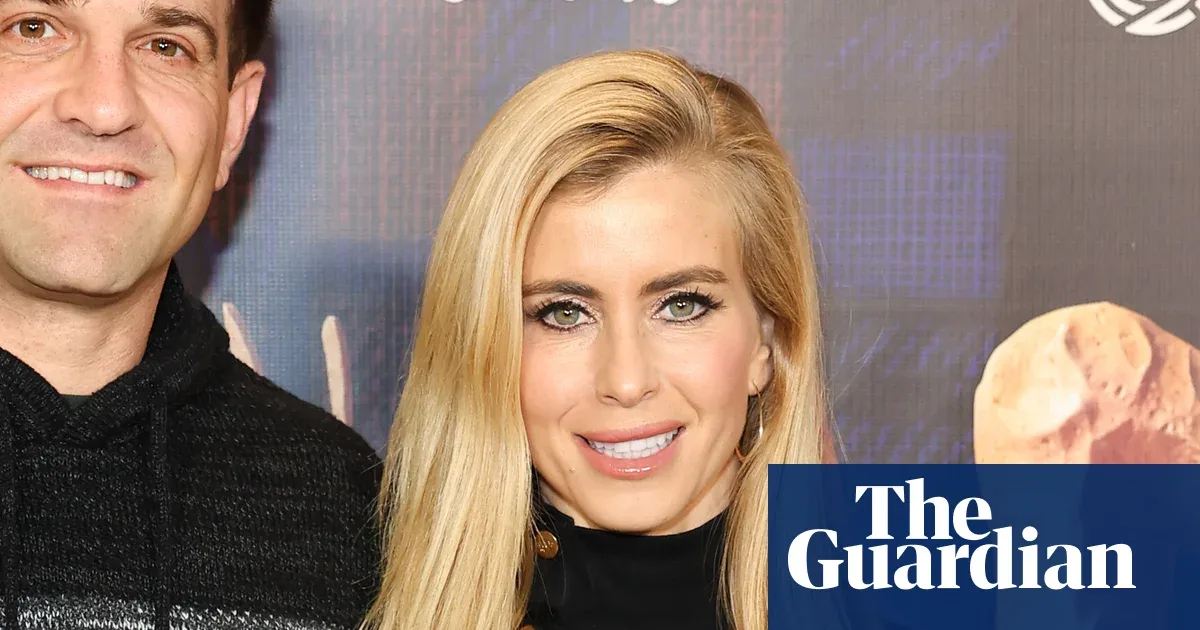
United States President Donald Trump has officially named Katie Zacharia, a conservative commentator, as the next White House press secretary. The move comes after Karoline Leavitt left the post in late August, choosing to step down after giving birth to her second child. The information was first reported by The New York Times, though there has been no confirmation whether Zacharia has accepted the offer.
Zacharia is not a new name in Trump's governing circle. She previously served as a spokesperson for the Department of Homeland Security (DHS) and is now trusted as a communications adviser at Trump Media and Technology Group (TMTG), the company behind Truth Social, Trump's social media platform. This background suggests the White House will likely rely increasingly on communication channels that intersect directly with the president's support base.
This change of press secretary is not merely a routine rotation of officials. The White House press secretary position is one of the most strategic roles in the US government, as it is responsible for conveying the president's message to the public and the media every day. By choosing a figure with a track record at DHS and TMTG, Trump appears to want to ensure that his administration's narrative remains controlled, especially amid pressure from mainstream media that is often critical of his policies.
Zacharia is known as a commentator who vocally supports the conservative agenda. Her experience at DHS gave her a deep understanding of national security and immigration issues, two topics that are a major focus of the Trump administration. Meanwhile, her role at TMTG shows her closeness to the social media ecosystem that serves as the president's main communication channel. This combination is seen as strengthening a communication strategy that speaks more directly to the public, bypassing traditional media filters.
"This appointment reflects Trump's desire to have a spokesperson who is not only loyal but also able to operate in an increasingly fragmented media landscape," said a political analyst who declined to be named.
For Indonesia, this change of White House press secretary deserves attention. The US is a key trade and diplomatic partner for Jakarta, and the communication style of the new spokesperson could influence how US foreign policy is conveyed to the international public. If Zacharia tends to use a more aggressive or social media-based approach, the dynamics of public diplomacy between the two countries could see adjustments. Bilateral relations covering trade, maritime security, and investment will depend heavily on how policy messages are delivered.
Currently, there has been no official statement from Zacharia or the White House regarding acceptance of the position. However, if she accepts, she will face a major challenge: maintaining the coherence of the administration's message amid sharp political polarization and mounting media pressure. The public will be waiting to see whether her communication style will differ from her predecessor's, or whether it will continue the existing pattern. What is clear is that Trump's choice this time underscores that he prioritizes figures with ideological closeness and experience in the conservative communication arena.