Dolly Parton Dies, Nephew Fired and Accused of Threatening to Destroy Her Legacy
Baca dalam 60 detik
- Bryan Seaver, keponakan Dolly Parton, dipecat dari posisi kepala keamanan properti sang legenda country setelah hampir dua dekade mengabdi.
- Perusahaan She's Alive yang dibentuk Parton untuk melindungi warisannya mengajukan restraining order terhadap Seaver, menuduhnya melancarkan ancaman dan intimidasi.
- Seaver membantah tuduhan dan menyebut perintah pengadilan sebagai 'aksi publisitas', menegaskan komitmennya melindungi keluarga sesuai pesan terakhir Parton.
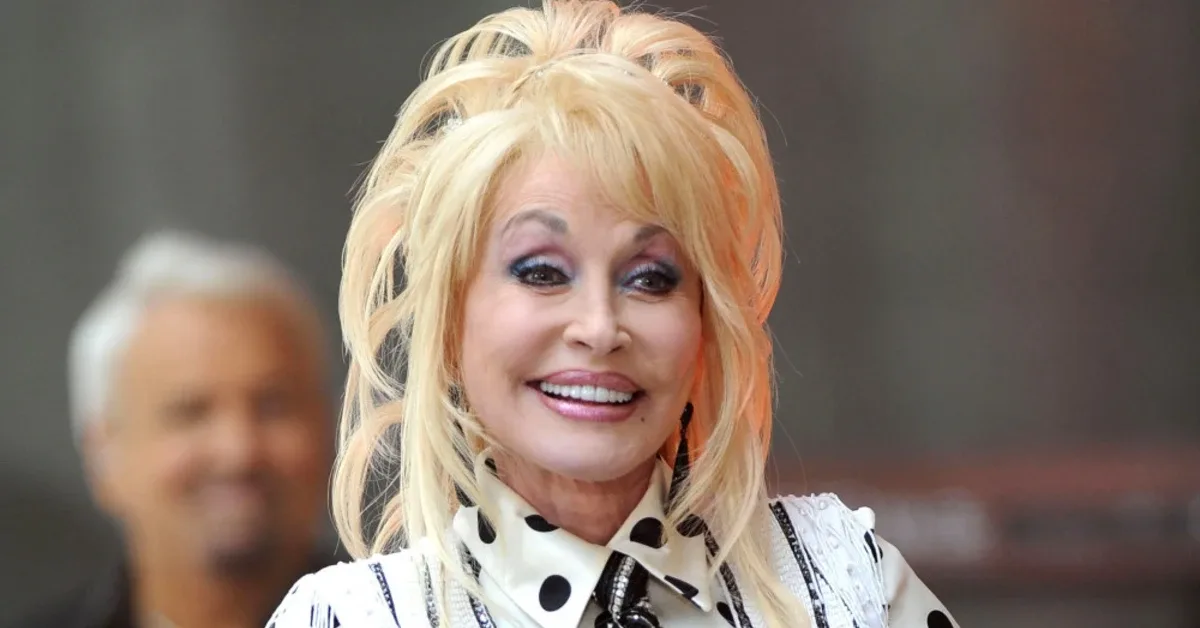
The nephew of the late country music icon Dolly Parton, Bryan Seaver, has been formally dismissed from his position as head of security for the legendary singer's properties. The firing followed the issuance of a temporary restraining order by She's Alive, the entity Parton formed before her death to manage her estate.
Seaver, who spent nearly 20 years safeguarding Parton's assets, expressed his disappointment in a statement to ABC News. He considered the legal action taken by the estate unfounded and merely seeking public attention. "The restraining order is fake and just a publicity stunt," he said, as quoted from court documents obtained by PEOPLE.
In the filing, She's Alive accused Seaver of waging a "campaign of threats, intimidation, and coercion" in the weeks before Parton died. The estate claimed Seaver wrote a message promising to "destroy the entire brand" and told Parton's entertainment lawyer, "I'm not an entertainment person. I'm a killer." Another allegation said he threatened reputational and economic harm to those tasked with protecting Parton's legacy, including by making a podcast aimed at damaging brand partnerships unless he was paid.
Responding to the allegations, Seaver strongly denied them. He stressed that the texts used as evidence had been taken out of context. "Dolly called me 'her killer.' It was a joke we used in her circle," he explained. "I was 'her boy ninja,' and Danny Nozell interpreted the text as if I were threatening him. He always called me 'The Killer'."
Seaver also stated he never threatened anyone. "They are my friends, family, and colleagues," he added. He said he was fired after the estate negotiated for long-term services. "They negotiated with me and my company for forever services and agreed to the terms. A week later they fired me over these fabricated 'threats'," he said.
"We remain steadfast in fulfilling her final directive to protect her family, and we refuse to be intimidated by parties we believe are acting in bad faith and intend to profit from the life of someone who gave so much willingly."
Earlier, Seaver and his team told TMZ they were "disappointed by the unexpected and unexplained actions" after Parton's death. They reaffirmed their commitment to protecting the family in line with Parton's final message.
This case highlights the complexity of managing a global celebrity's estate, especially when family members are involved. For Indonesia, a similar phenomenon could occur with national public figures such as legendary singers or actors who own assets and businesses. It is important for families and management to have clear estate planning, including a legal structure governing the rights and obligations of family members involved in the business. Tensions between personal and professional interests often peak after the departure of a central figure, potentially leading to prolonged legal disputes.
Going forward, the public will await how the court rules on this dispute and whether there will be any mediation effort between the two sides. What is clear is that Dolly Parton's legacy is not only about music, but also about the family values she upheld. Will this conflict damage that image, or will it instead become a valuable lesson for managing artists' estates around the world?