Attorney General's Office Auctions 436,000 Tons of Coal Seized in Samin Tan Case, Reserve Price Rp178.8 Billion
Baca dalam 60 detik
- Badan Pemulihan Aset Kejaksaan Agung membuka penawaran terbuka untuk 436 ribu ton batu bara sitaan dari kasus korupsi tambang ilegal Samin Tan dengan harga dasar Rp178,87 miliar.
- Lelang tertutup melalui platform resmi pemerintah ini mensyaratkan jaminan Rp80 miliar dan hanya boleh diikuti badan usaha pemegang izin tambang atau pengguna akhir batu bara domestik.
- Batas penawaran 23 September 2026 menjadi ujian pertama efektivitas pemulihan aset negara dari sektor tambang ilegal yang merugikan miliaran rupiah.
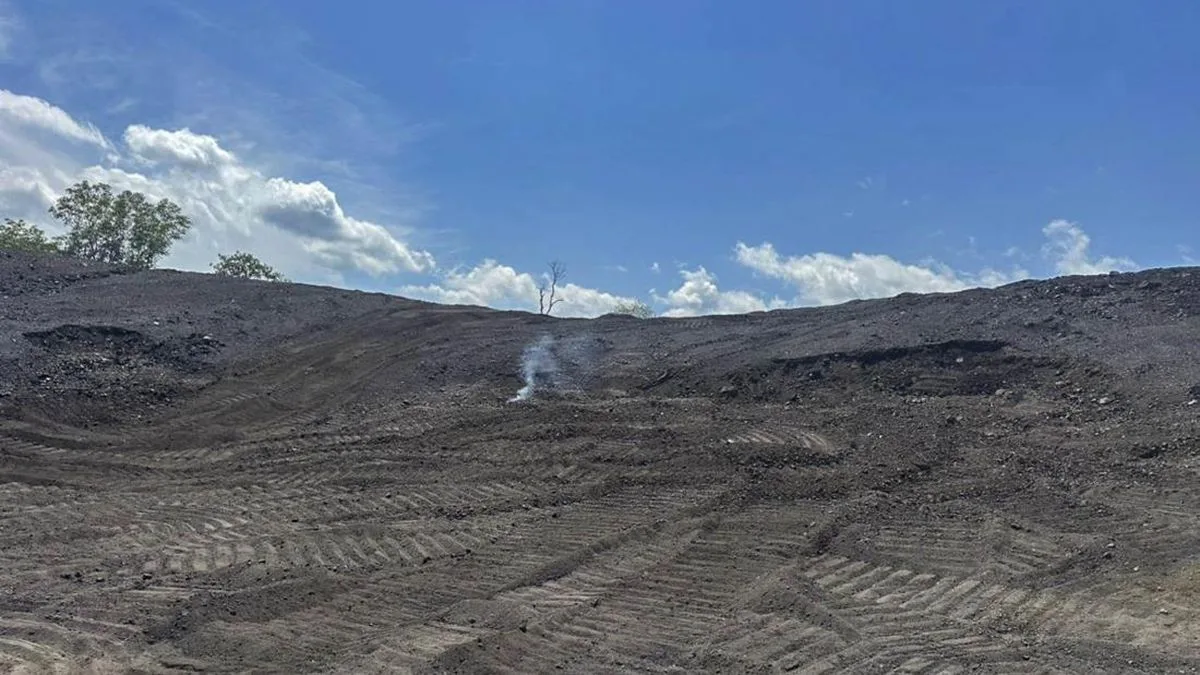
The Attorney General's Office, through the Asset Recovery Agency (BPA), has officially auctioned 436,000 tons of coal seized from the investigation into a corruption case involving illegal mining management that ensnared tycoon Samin Tan. The reserve price for the auction object was set at Rp178,873,527,000, with a bid bond of Rp80 billion that participants must deposit before the deadline.
The Head of the Legal Information Center at the Attorney General's Office, Anang Supriatna, said the commodity is currently stored at CHP 1 Stockpile, Kaong Village, Upau District, Tabalong Regency, South Kalimantan. According to him, the auction will be held openly without the physical presence of participants via the website www.lelang.go.id, and the winner will be determined immediately after bidding closes at KPKNL Banjarmasin on 23 September 2026 at 13.00 WIB.
This step is not merely a legal execution, but a test for the state in recovering losses from illegal mining practices believed to have gone on for years. The Samin Tan case came to light after investigators found that mining activities by PT Asmin Koalindo Tuhup (AKT) continued even though its permit had been revoked through Minister of Energy and Mineral Resources Decree No. 3714 K/30/MEM/2017. Samin Tan, as beneficial owner, is suspected of colluding with state officials to continue illegal operations from 2017 to 2025.
Besides Samin Tan, the Attorney General's Office has named five other suspects, including former Head of KSOP Rangga Ilung, a director of PT AKT, a general manager of PT OOWL Indonesia, and the owner of PT Cordelia Bara Utama. The naming of these suspects shows that the illegal coal supply chain involves not only capital owners but also field officials who should have overseen corporate compliance.
"The reserve price set for this auction object is Rp178,873,527,000 with the required bid bond amounting to Rp80,000,000,000," Anang said in a written statement on Wednesday (16/9).
The qualifications for auction participants are strictly limited. Referring to Minister of Energy and Mineral Resources Decree No. 162.K/HK.02/MEM.H/2026, only legally incorporated business entities with a tax ID (NPWP) may take part, and they must be holders of an IUP, IUPK, continuation-of-operations IUPK, integrated PKP2B, a Transportation and Sales Permit (IPP), or a domestic coal end user. This restriction aims to prevent the seized coal from falling into the hands of parties lacking legal and operational capacity.
From a market perspective, this auction could add to domestic coal supply amid fluctuations in global energy prices. However, with a reserve price of around Rp410,000 per ton, the price is competitive compared with the market price of medium-calorie coal. For permit-holding companies, this could be an opportunity to acquire stock at a discount, but it also carries legal risk if the commodity's origins are not entirely clean.
For Indonesia, the success of this auction will signal that asset recovery from corporate crime does not stop at criminal enforcement. If seized assets can be converted into state coffers, there is a positive precedent that mining crime not only harms the environment but must also repay economic losses. Conversely, a failed auction would reinforce the view that law enforcement in the natural resources sector still faces structural obstacles.
Going forward, the public will be waiting to see whether this auction actually produces a winner and how much the final amount entering state coffers will be. The big question: will asset recovery become an effective instrument for covering state losses from illegal mining, or merely a formal procedure without a deterrent effect?