KPK Exposes "Shadow Circle" at ATR/BPN: Bribery Brokers and Job Transfers
Baca dalam 60 detik
- KPK menemukan struktur tak resmi di Kementerian ATR/BPN yang berfungsi sebagai perantara suap dan pengaturan layanan pertanahan.
- Juru Bicara KPK Budi Prasetyo menyebut praktik ini melibatkan lapisan perantara atau layering, dengan pihak eksternal harus melewati orang kepercayaan menteri.
- Penyelidikan aliran uang terus berjalan, sementara dua nama berinisial F dan ARF disebut sebagai pengepul dan penghubung.
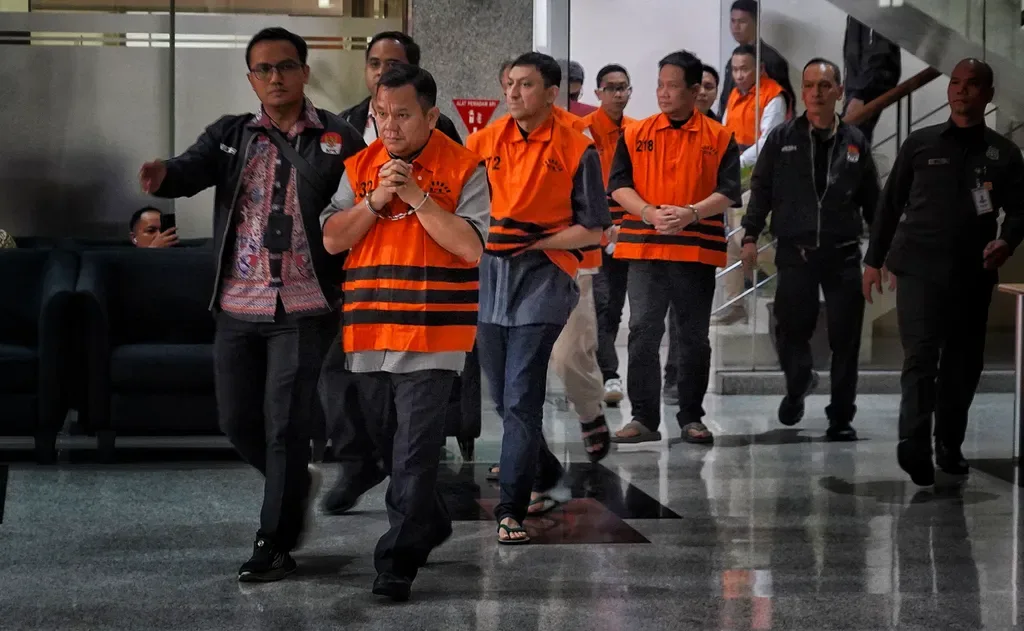
The Corruption Eradication Commission (KPK) has uncovered the existence of a shadow structure within the Ministry of Agrarian Affairs and Spatial Planning/National Land Agency (ATR/BPN). The informal group, made up of people trusted by the minister, is strongly suspected of acting as brokers and collectors of bribes, arranging various land services as well as matters of job transfers.
The finding emerged after the KPK probed permit mafia practices at the ministry. KPK spokesperson Budi Prasetyo explained that the modus operandi involved many layers of intermediaries, or layering. External parties, such as developer companies, do not deal directly with official officials, but must go through people outside the structure who have high access to power.
"It is as if there are two structure charts at ATR/BPN. There is an official organizational structure chart, and there is also a structure chart that is like a shadow. We see a lot of layering or circles outside the structure, such as Mr. F and ARF who act as collectors and links between external and internal parties to state officials," Budi said at the KPK Merah Putih Building, Jakarta, Wednesday (16/9/2026).
Budi's statement confirms that corrupt practices in the land sector are no longer merely direct transactions between briber and official. There is a kind of ecosystem of intermediaries that obscures the flow of money and makes tracking difficult. The role of F and ARF as collectors and links shows a neat division of labor in managing bribes, from receiving requests to distributing them to relevant officials.
This case highlights the vulnerability of land governance in Indonesia. The ATR/BPN sector has long been one of the areas prone to corruption because it handles land rights, location permits, and changes in land use that carry high economic value. The existence of a shadow circle could worsen bureaucratic rent-seeking, hamper the investment climate, and harm people seeking to process land certificates.
The KPK has not detailed who is in the shadow circle, but the investigation continues to trace the flow of funds. The focus is not only on bribe recipients, but also on the parties who enjoy those illegal facilities. In several similar cases, tracing money flows often leads to wider networks, including individuals outside the ministry.
Anti-corruption observers assess that this finding is a test of the government's commitment to eradicating corruption in the natural resources and spatial planning sector. They urge the KPK not to stop at intermediaries, but also to investigate the intellectual actors and main beneficiaries. Transparency in the job transfer process and land services is key to breaking the chain of such practices.
Going forward, the public awaits whether the KPK will name new suspects and how the Ministry of ATR/BPN will respond to this finding. Without systemic improvement, the shadow circle could reappear with a different face. The question is, can bureaucratic reform in the land sector close the gaps that bribery brokers have long enjoyed?