Duterte Finally Appears at ICC, November Hearing Becomes a Tough Test for the Dynasty
Baca dalam 60 detik
- Rodrigo Duterte hadir langsung di Pengadilan Kriminal Internasional setelah 18 bulan hanya mengikuti persidangan via video.
- Pengacara klaim kondisi kesehatan menurun, jaksa menolak argumen tersebut.
- Sidang perdana dijadwalkan November, sementara putrinya, Sara Duterte, berjuang di tengah konflik politik dan impeachment.
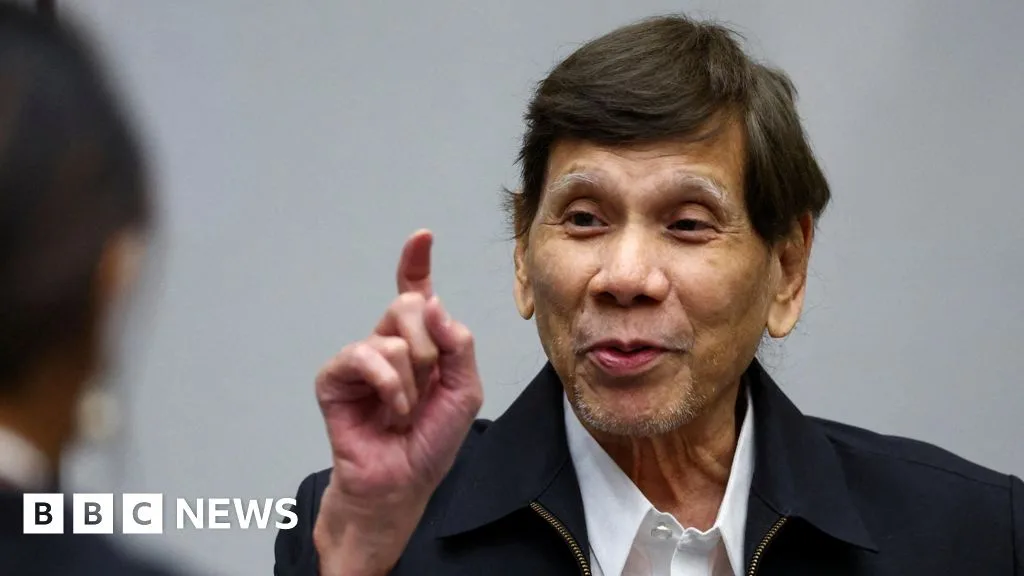
Former Philippine President Rodrigo Duterte appeared in person before judges of the International Criminal Court (ICC) in The Hague on Wednesday for the first time, after more than a year of attending legal proceedings only via video link. The presence of the 81-year-old man marked a new chapter in the trial over alleged crimes against humanity that has ensnared him.
Duterte arrived in a dark suit and a white shirt without a tie. Since his arrest at Manila Airport in March 2025, he had indeed skipped several court summonses. The ICC then held a status hearing to decide whether his health condition allowed him to take part in the judicial process.
Prosecutors argued Duterte was fit to stand trial, while the defense team led by Peter Haynes insisted their client suffered significant memory impairment and could not communicate effectively with his legal team. This dispute will determine whether the first hearing scheduled for November goes ahead or is postponed.
The case stems from the anti-drug program that was a flagship policy of Duterte's administration (2016–2022). Thousands of small-time dealers and drug users were reported killed outside the legal process. Duterte argued that order and security were prerequisites for economic growth. However, the ICC sees a pattern of systematic killings that can be categorized as crimes against humanity.
The ICC's jurisdiction covers the period when Duterte was still Mayor of Davao until the Philippines withdrew from the Rome Statute in 2019. That withdrawal did not automatically cancel the investigation into crimes committed before the country's exit.
"Our client suffers significant memory impairment, making it difficult to give the necessary instructions," Peter Haynes told the panel of judges, as quoted from court documents.
On the other side, ICC prosecutors stressed there was insufficient medical evidence to declare Duterte unfit to stand trial. They argued the former president was still able to understand the charges and follow the proceedings.
This legal process is running alongside political turmoil in the Philippines. Duterte's daughter, Vice President Sara Duterte, is in a tight contest with President Ferdinand "Bongbong" Marcos. The Duterte-Marcos alliance that won the 2022 presidential election has fractured, triggering open attacks on both sides. Sara Duterte even faces an impeachment trial on accusations of misuse of public funds and threats to kill Marcos, First Lady Liza Araneta-Marcos, and congressman Ferdinand Martin Romualdez.
If found guilty in the impeachment, Sara Duterte would lose the right to run in the 2028 presidential election, where she is touted as a strong candidate to succeed Marcos, who cannot run again due to constitutional limits. This dynastic conflict adds a political dimension to her father's legal case.
For Indonesia, this development mirrors how the accountability of past leaders can continue to overshadow domestic political stability. The Duterte case also reminds us that repressive security policies can carry long-term international legal consequences, even after power ends. ASEAN countries, including Indonesia, need to pay close attention to this precedent in the context of human rights enforcement and legal sovereignty.
With his health declining and political pressure heating up, the question now is: will Duterte actually sit in the defendant's chair this November, or will the trial be postponed again by legal maneuvers and dynastic diplomacy?