Prabowo Inaugurates Kelapa Gading–Manggarai LRT: 12.2 Km, 11 Stations, 28 Minutes
Baca dalam 60 detik
- Presiden Prabowo Subianto meresmikan jalur LRT Jakarta penghubung Kelapa Gading–Manggarai, memperluas jangkauan angkutan massal di Ibu Kota.
- Jalur sepanjang 12,2 km dengan 11 stasiun ini memangkas waktu tempuh dari kawasan Jakarta Utara ke pusat kota menjadi sekitar 28 menit.
- Peresmian menandai babak baru integrasi transportasi publik, namun tantangan pembiayaan dan okupansi masih menanti.

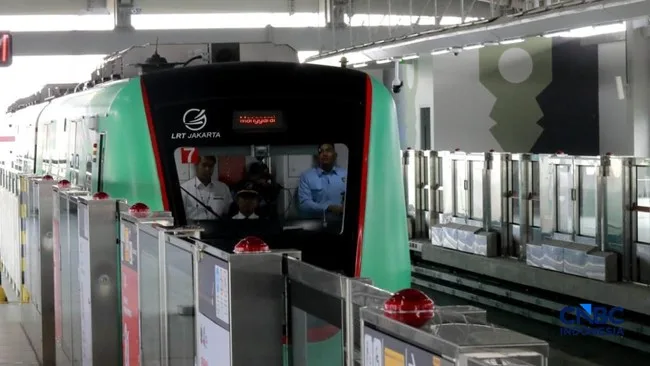
President Prabowo Subianto inaugurated the operation of the Jakarta LRT on the Kelapa Gading–Manggarai route at Manggarai Station, Jakarta, on Wednesday (16/9/2026). The 12.2-kilometer line with 11 stations marks an expansion of mass transit services connecting North Jakarta, East Jakarta, and South Jakarta.
Before the ceremony, Prabowo, together with DKI Jakarta Governor Pramono Anung, took a direct ride from Kelapa Gading to Manggarai. After the inauguration, the President took time to greet residents around the station, handed out T-shirts to schoolchildren, and obliged requests for selfies. The moment was part of his visit series, as well as a signal that this infrastructure project has received high-level political attention.
The line serves 11 stations: Kelapa Gading, Boulevard Utara, Boulevard Selatan, Pulomas, Equestrian, Velodrome, Rawamangun, Pramuka, Matraman, Proklamasi, and Manggarai. End-to-end travel time is estimated at around 28 minutes—an alternative far faster than road travel during peak hours, which often takes up to twice as long.
For readers in Indonesia, especially investors and professionals active in Jakarta, the presence of this line could reshape the daily mobility map. The Kelapa Gading area and its surroundings have long been known as a dense residential pocket with limited access to rail-based mass transit. With this line connected to Manggarai—one of the busiest transport hubs in Jakarta—users can switch to KRL, MRT, or TransJakarta without getting stuck in traffic on the inner-city toll road.
From a property perspective, this new connectivity often acts as a catalyst for rising land values around the stations. However, the impact is not automatically evenly distributed. Local governments need to ensure seamless intermodal integration, affordable fares, and adequate feeder transport capacity. Without that, the risk of the "last mile problem" could erode public interest in switching to the LRT.
Public transport observers view the inauguration as a step forward, but underline that operational sustainability is the real test. The cost of operating and maintaining the elevated line, as well as the need for subsidies to keep fares competitive, will burden the DKI regional budget. Passenger occupancy must also be kept above the economic threshold so the service does not become merely a prestige project.
"Connectivity is key, but without good integration, people will go back to choosing private vehicles," said an urban transport analyst, reminding of the importance of intermodal synergy.
The inauguration is also part of the government's efforts to pursue emission and congestion reduction targets in the metropolitan area. If successful, the Kelapa Gading–Manggarai LRT model could be replicated in other cities currently designing rail-based mass transit systems. However, the big question remains: can the government maintain service consistency and drive a significant mode shift, or will this line be merely a complement that is busy only at the start of operations?