Testimony Duel at Customs Trial: Defendant Denies Receiving 5 Envelopes, Witness Insists on Six
Baca dalam 60 detik
- Budiman Bayu Prasojo menegaskan hanya menerima empat amplop dari Orlando Hamonangan, bukan lima seperti yang disangkakan.
- Orlando bersikeras telah menyerahkan enam amplop berkode 'BY' dari John Field, dengan satu amplop terakhir ditolak pada Januari 2026.
- Perbedaan keterangan ini memunculkan pertanyaan tentang validitas alat bukti dan potensi disparitas penuntutan dalam kasus gratifikasi DJBC.
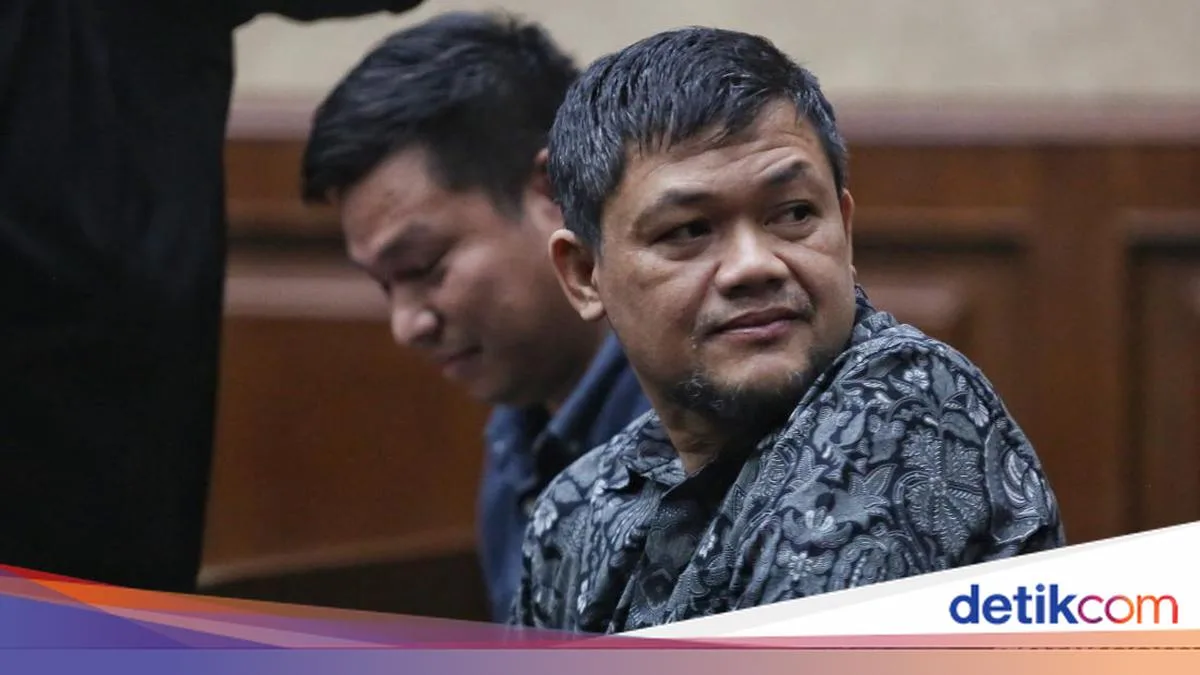
Sharp differences in testimony colored the latest hearing in the alleged gratification case at the Directorate General of Customs and Excise (DJBC) at the Central Jakarta Corruption Court on Wednesday (16/9/2026). Budiman Bayu Prasojo, Head of the P2 Customs Intelligence Section at DJBC, firmly denied receiving five envelopes of money from Blueray boss John Field, as stated by witness Orlando Hamonangan. Bayu claimed he received only four envelopes and had refused one of them.
The denial came as Bayu responded to testimony from Orlando, who was presented as a witness in the hearing scheduled to hear witness statements for defendant Bayu. "I reject Orlando's testimony regarding the receipts. As I recall, I received from Orlando four times," Bayu said before the panel of judges. The judge had asked Bayu to move closer to the microphone to ensure his answer was clearly heard.
Orlando, who is also a defendant in a separate file concerning a bribery and gratification case over goods imports, stood by his testimony. He said he had received envelopes entrusted by John Field to pass on to Bayu six times, in August, September, October, and November 2025, and twice in January 2026. However, Orlando stated that the last envelope in late January was refused by Bayu. "That is correct, Your Honor, one in July I do not know about. Then there were six times that I conveyed to Mas Bayu but one was refused, so five times," Orlando said.
The panel of judges decided to record both versions of the testimony in the hearing minutes. "Each will be recorded in the hearing minutes because they cannot be, you know, defended against each other, it will cause a commotion," the judge said. The discrepancy drew attention because it could affect the assessment of the gratification receipt element charged against Bayu.
In his testimony, Orlando also revealed that the last envelope refused by Bayu was then handed to a staff member named Krismanto to be placed in the operational cash box. Orlando admitted he did not know exactly how much money was in the envelope, but based on his conversation with John Field, each envelope contained money equivalent to Rp 75 million in Singapore dollars. If accumulated, the five envelopes received by Bayu according to Orlando amounted to about Rp 375 million.
"From my conversation with John Field, as it went on I asked, 'Pak John, Mas, how much for Mas Bayu?'. (He answered) 'Rp 75 million but in SGD'. I do not know exactly how much, Pak," Orlando said.
Prosecutors had previously charged Bayu with receiving gratification totaling Rp 7.6 billion, in both rupiah and foreign currencies. This figure is far larger than the value of the envelopes in dispute. The discrepancy between witness and defendant testimony tests the integrity of the legal process, especially since Orlando himself is a defendant in a similar case but is being tried separately.
The case highlights bribery and gratification practices within the Customs environment that have long drawn public attention. For businesses and importers, legal uncertainty caused by such discrepancies in testimony can raise concerns about the consistency of law enforcement. Transparency and accountability at the customs institution are crucial to maintaining the investment climate and compliance.
Going forward, the panel of judges will assess the credibility of each testimony by considering other evidence presented. The public awaits whether this discrepancy will lead to the disclosure of a wider network or instead weaken the indictment. The big question: will the judicial system be able to untangle this knot without sacrificing the sense of justice?