Solid Coalition Backs 5 Percent Threshold as Election Bill Takes Shape Before House Debate
Baca dalam 60 detik
- Gerindra memastikan dukungan pada ambang batas parlemen 5 persen, menyusul Golkar dan PKS yang lebih dulu menyepakati angka serupa.
- Kesepakatan itu muncul dari pertemuan para ketua umum partai koalisi, sementara ambang batas pencalonan presiden belum disinggung.
- Arah revisi UU Pemilu kini bergerak cepat di lingkaran kekuasaan, meski jadwal pembahasan resmi di DPR belum jelas.
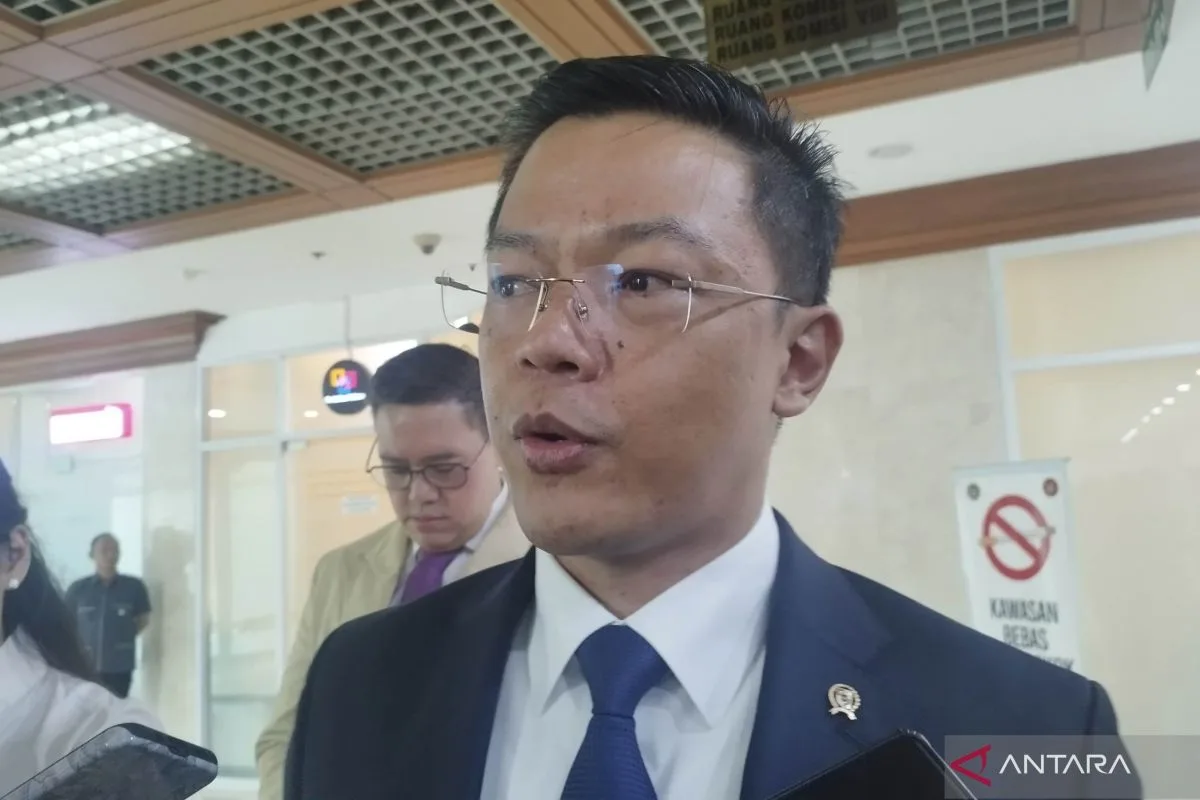
Gerindra has confirmed its support for a 5 percent parliamentary threshold in the revision of the Election Law, adding to the list of governing coalition parties that agree on the figure before formal deliberations begin in the House of Representatives (DPR). The agreement signals that the direction of the election rule revision is being locked in within the circle of parties backing President Prabowo Subianto.
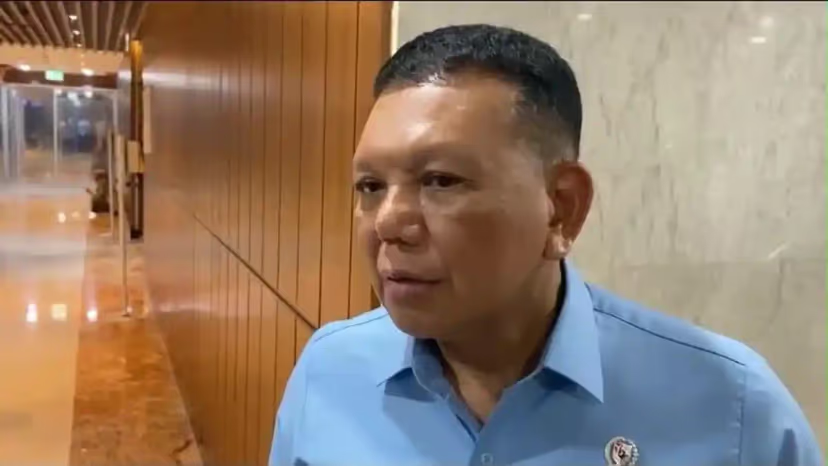
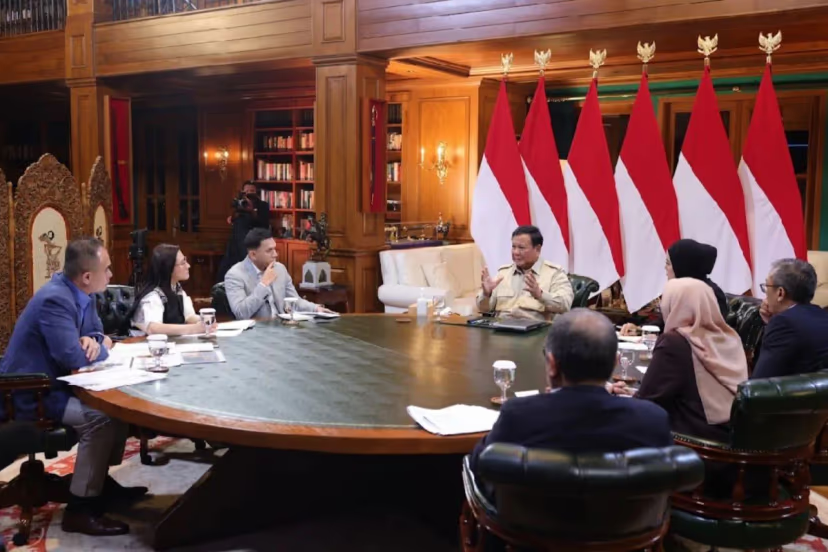
The Secretary General of Gerindra's central executive board, Sugiono, conveyed his party's stance at the parliamentary complex in Jakarta on Wednesday. According to him, the 5 percent figure was discussed at a meeting of coalition party chairmen that took place while he was accompanying Prabowo on a working visit to New Delhi, India. At that forum, Gerindra was represented by the party's daily chairman, Sufmi Dasco Ahmad.
"It seems everyone agrees, but I cannot speak on behalf of other parties. Gerindra also agrees on the 5 percent PT," Sugiono said, referring to the abbreviation for parliamentary threshold. He noted that Golkar and PKS had earlier expressed a similar position.
The agreement is not entirely new on the surface. Golkar and PKS had earlier expressed the same understanding at a meeting between the two parties in Jakarta on Monday (14/9). The Secretary General of Golkar, Muhammad Sarmuji, considered a figure of around 5 percent moderate for application in the upcoming legislative election. However, Gerindra's move to openly declare support strengthens the signal that the coalition wants to close off room for debate before the Election Bill reaches the legislative table.
Notably, Sugiono confirmed that the presidential nomination threshold, or presidential threshold, has not been discussed. Yet this issue often becomes a source of political tension because it determines the number of seats or votes a party must secure to nominate a presidential candidate. Postponing discussion of the presidential threshold could be read as an effort to keep the focus on the parliamentary threshold first, while avoiding open conflict among coalition parties.
Beyond the parliamentary threshold, the meeting of party chairmen was said to discuss efforts to make elections more effective and efficient, as well as to ensure voters' voices are optimally accommodated. Sugiono stressed that every vote is an aspiration of the people that must be properly channeled. However, he could not confirm when deliberations on the revision of the Election Law would begin in the DPR. "In the end there will be an agreement, we will gather again," he said.
For the public, the 5 percent figure is not merely an electoral technicality. This threshold determines which parties make it to Senayan and how many votes risk being wasted. The higher the threshold, the greater the likelihood that voters' votes will not be converted into seats. Conversely, a low threshold opens opportunities for small parties but can complicate government stability. The choice of 5 percent places Indonesia on a middle path, but still demands that new or mid-sized parties work extra hard.
From the market and business perspective, the revision of the Election Law is an important signal about the direction of medium-term political stability. Certainty in election rules affects investment planning, especially in sectors sensitive to political cycles such as infrastructure, energy, and financial services. If deliberations on the Election Bill drag on or spark tension between parties, the risk of policy uncertainty could weigh on domestic and foreign investor sentiment.
The agreement within the coalition circle also raises questions about the role of parties outside the government. With Gerindra, Golkar, and PKS in the same camp, the position of opposition or non-coalition parties becomes crucial in determining whether the Election Law revision proceeds smoothly or faces resistance in the DPR. This dynamic will determine how inclusive the legislative process is for a matter concerning the life of the five-yearly democracy.
Going forward, public attention will focus on two things: when the DPR begins formal deliberations on the Election Bill, and whether the presidential nomination threshold will also be changed. If both issues are discussed together, political tension could rise ahead of the next election. If not, the 5 percent agreement could signal that the coalition wants to maintain stability without opening a new front. The question is whether this agreement within the power circle will be followed by open and participatory deliberations in parliament.